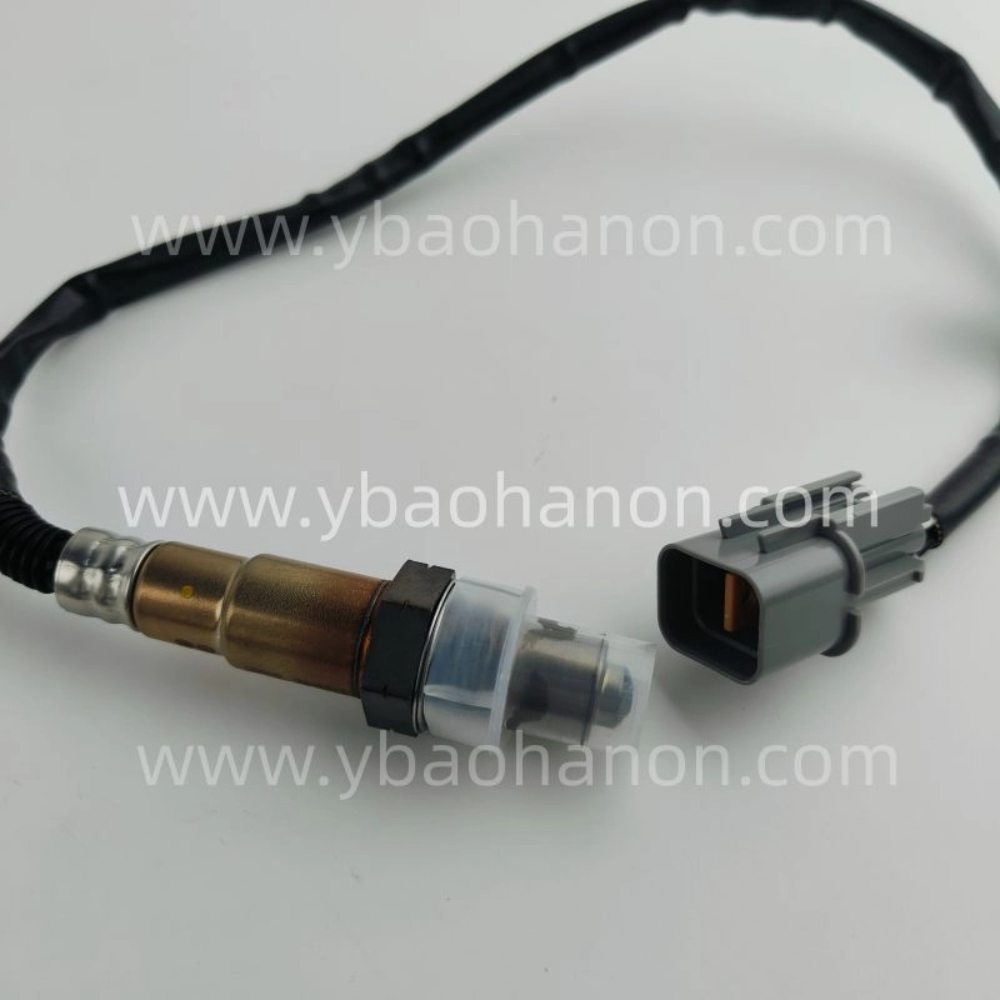

When To Replace Your Hyundai Engine Timing Chain?
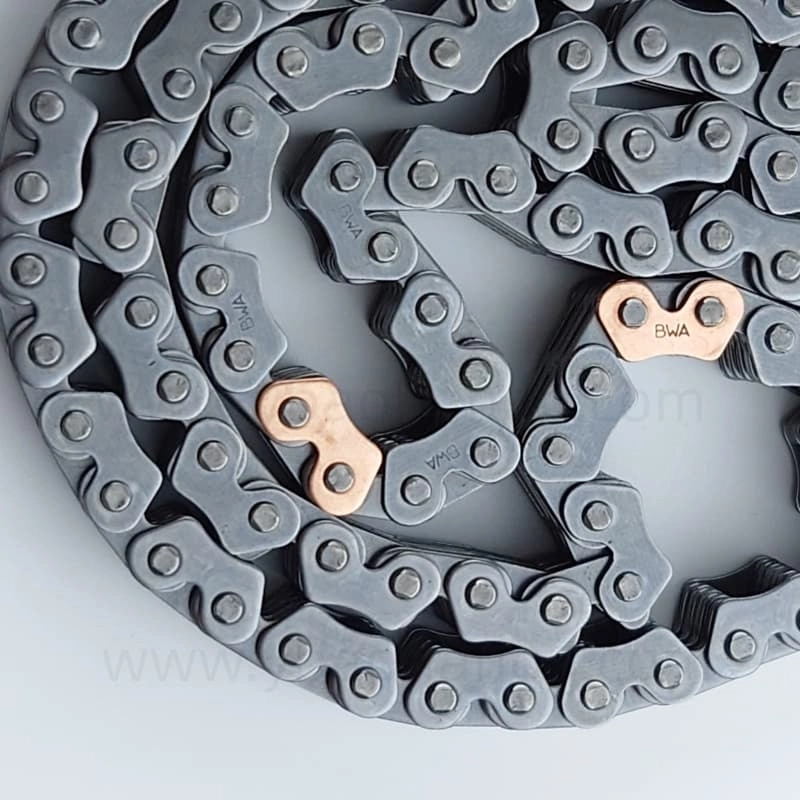
As all the internal components of a motor are running in perfect synchronisation, it is crucial to know when to check or replace your Hyundai Engine Timing chain in order to avoid any costly repairs. Waiting for your engine warning light to come on will result in more expensive repairs in the long run. But by taking a proactive approach to your vehicle, you can avoid these problems.
Finding reliable replacement parts matters just as much as the repair itself. STARIA operates as a powerful one-stop auto parts supplier with a massive global supply network. Focusing heavily on high-margin engine and repair components for Korean models, they deliver top-tier products built to strict manufacturing standards.
Critical Signs Of Hyundai Engine Timing Chain Failure
Catching the warning signals early saves thousands of dollars in repair bills. The symptoms usually start small but grow progressively worse as the metal stretches and the plastic guides deteriorate under extreme heat.
Distinct Engine Rattling Noises
When starting a cold car, you might hear a sharp rattle or clicking sound from the engine bay. The hydraulic tensioner relies heavily on oil pressure to keep everything tight. A stretched metal band will slap against the internal guides before the oil pressure fully builds up. If the metallic noise persists during a warm idle, the wear is already severe and requires immediate mechanical attention.
Engine Misfires And Poor Performance
A worn out drive system can easily skip a gear tooth on the camshaft or crankshaft. When the correlation between the camshaft and the valves and pistons falls out of sync, the problem can lead to frequent misfires, rough idling, decreased acceleration, and a marked decline in fuel efficiency. While the car computer can detect this type of problem and throw a check engine light, by the time this happens, physical damage to the engine likely has already occurred.
General Mileage Guidelines For Replacement
The lifespan of these specific components heavily depends on the vehicle’s maintenance history and daily driving conditions. It helps to have a baseline timeframe to schedule your workshop visits.
Standard Maintenance Intervals
While some dealership manuals suggest these parts last the lifetime of the vehicle, real world garage experience shows differently. Most independent mechanics recommend a thorough inspection of the Hyundai Engine Timing chain between 80,000 and 120,000 miles.
| Vehicle Mileage | Component Condition | Recommended Action |
|---|---|---|
| 0 to 60,000 Miles | Factory condition, minimal wear | Regular oil changes, listen for abnormal cold start noises |
| 60,000 to 90,000 Miles | Mild stretching, tensioner aging | Physical inspection, check timing marks via diagnostic scan |
| 90,000 to 120,000 Miles | Significant elongation risk | Complete replacement of chain, guides, and tensioners |
| 120,000+ Miles | High risk of jumping teeth | Immediate replacement if original parts are still installed |
Driving Habits And Oil Quality
Aggressive acceleration and heavy towing put extra mechanical stress on the internal rotating parts. Moreover, skipping routine oil changes creates thick sludge. Dirty, degraded engine oil damages the tiny hydraulic passages inside the tensioners rapidly, causing the entire setup to lose pressure and fail prematurely.
Consequences Of Ignoring System Issues
Delaying this required maintenance task leads to severe breakdowns. The internal clearances inside modern motors are incredibly tight, and any failure results in immediate destruction.
Catastrophic Engine Damage
Most modern vehicles feature interference engines. This design means the valves and the pistons share the exact same physical space inside the cylinder, just at different times. If the synchronization fails completely, the pistons will smash into the open valves at high speeds. This high impact collision bends the valves, destroys the piston heads, and often cracks the aluminum cylinder block.
Avoidable Repair Costs
Replacing the parts early requires a few hours of labor, but the final bill is highly predictable. Waiting for a complete snap means you have to rebuild or completely replace the motor block. A standard preventative replacement job is a tiny fraction of the cost compared to swapping out a totally ruined engine.
| Repair Category | Estimated Parts Cost | Estimated Labor Cost | Total Financial Impact |
|---|---|---|---|
| Preventative Kit Replacement | $150 to $300 | $500 to $800 | $650 to $1,100 |
| Minor Valve Damage Repair | $600 to $1,000 | $1,200 to $2,000 | $1,800 to $3,000 |
| Complete Engine Replacement | $2,500 to $4,500 | $1,500 to $2,500 | $4,000 to $7,000 |
Selecting The Right Replacement Chain For Hyundai Models
Picking the correct replacement dictates how long the repair will hold up under daily commuting stress. The aftermarket offers many choices, but picking reliable components protects your initial investment.
Premium Durability Parts
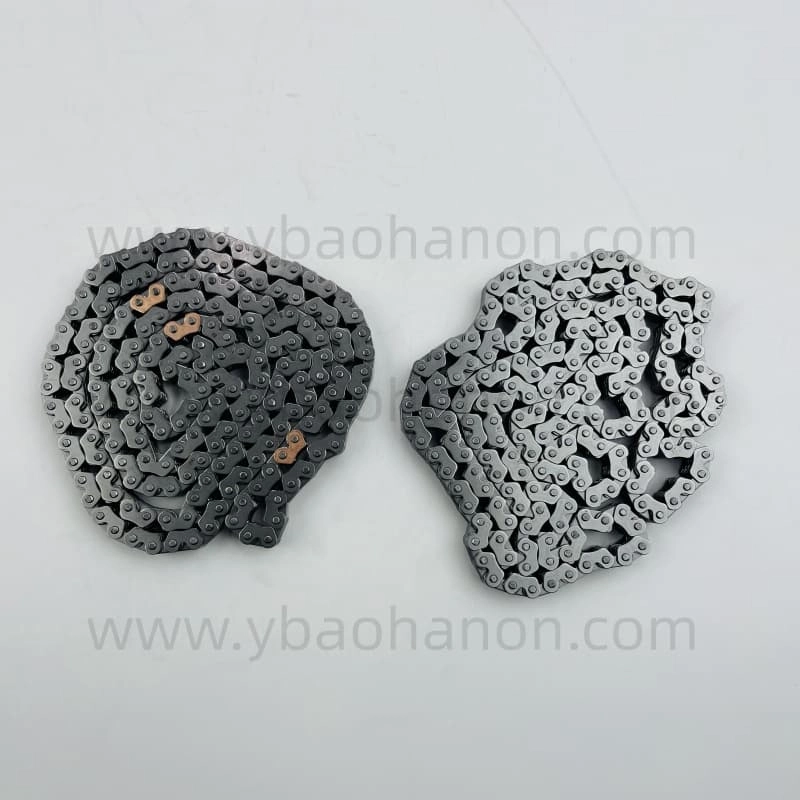
You want high strength steel materials that resist heat elongation. For specific setups, the 24321-2E380 CHAIN-TIMING delivers exceptional durability and heat resistance. Installing a hardened component keeps the Hyundai Engine Timing chain tight and perfectly synchronized for years, surviving brutal traffic conditions and long highway runs alike.
Exact Fit Components
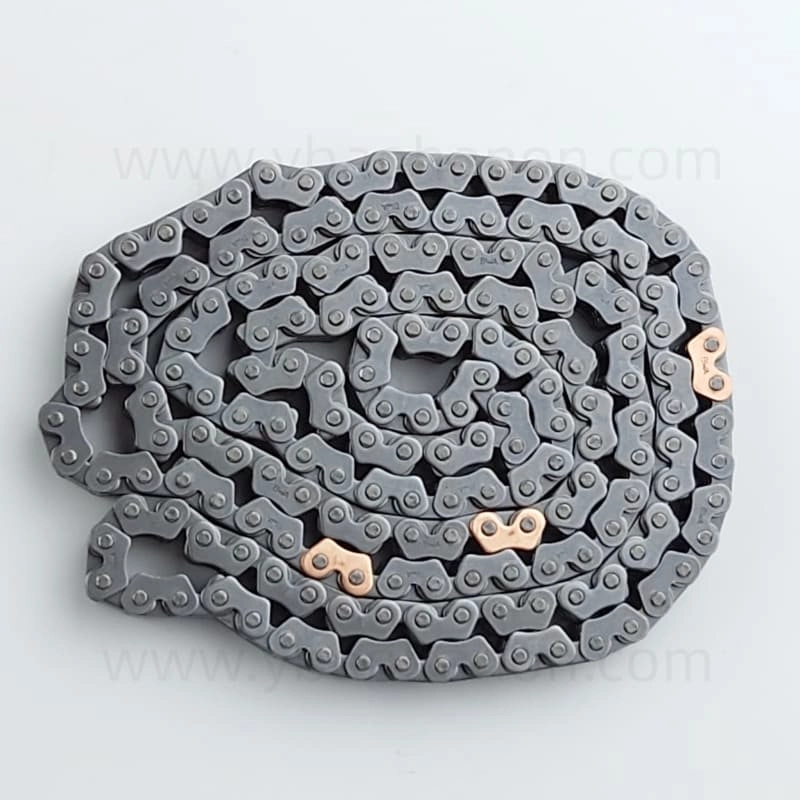
A component that does not fit perfectly will cause immediate vibration issues. Using precision engineered items like the 24321-25000 delivers a flawless installation process. These components match the factory sprocket specifications perfectly, reducing rotational noise and preventing the links from sliding off the gear teeth.
Why Source Engine Parts From Reliable Suppliers?
The digital marketplace is full of fake components. You must protect your vehicles and your business reputation by sourcing from established industry leaders. You can easily check the about us page of any vendor to verify their true manufacturing footprint, employee count, and warehouse locations.
Quality Assurance And OEM Standards
Counterfeit parts are a big problem with purchasing parts online. These fake items can look right to the untrained eye, but they use substandard metals. Legitimate suppliers follow strict quality control standards. This rigorous testing prevents sudden highway failures, keeping drivers safe and reducing warranty comebacks for auto repair shops.
Stable Supply Chain Support
A large supplier maintains massive inventory levels across multiple regional warehouses. For example, a strong logistics network featuring strategic nodes allows for seamless distribution. This setup means repair shops receive their required parts faster. Consistent availability eliminates long wait times for critical repairs.
Partner With STARIA For Your Auto Parts Solutions
Working with a dedicated manufacturer streamlines procurement for global dealers and local repair shops alike.
Comprehensive Solution Center
YBAOH, a specialized brand under the STARIA umbrella, focuses exclusively on high margin engine parts for Korean vehicles. They supply top tier water pumps, pistons, bearings, and complete overhaul kits. You can navigate their Solution Center to find exactly what you need. Their dedicated team provides excellent service to keep your inventory fully stocked without delays.
Global Reach And Professional Contact
Heading into 2026, the global auto parts market demands fast delivery and verified quality. STARIA meets this demand with advanced cross border logistics and strong factory backing across four strategic nodes, including a headquarters in Beijing and a chassis parts factory in Hebei. If you are a wholesaler or a large garage looking to expand your catalog, contact us to discuss bulk orders and long term business partnerships.
FAQ
Q: What is the average lifespan of a factory Hyundai Engine Timing chain?
A: The usual lifespan for a serpentine belt in normal driving, changing oil regularly, is 80,000 to 120,000 miles but severe driving and/or very low oil levels can cut that life in half.
Q: Can I just replace the metal band without buying the tensioners and guides?
A: No, mechanics strongly advise against partial replacements. The plastic guides wear down simultaneously, and the hydraulic tensioner seals degrade over time. Putting a tight new metal band on old, brittle plastic guides will cause the guides to shatter almost immediately.
Q: Are aftermarket parts safe to use for deep engine repairs?
A: Yes. If purchased from a reputable supplier with good quality control, high strength materials used by aftermarket manufacturers can match or even exceed the original equipment specifications at very cost effective prices.