

Bad Oxygen Sensor Symptoms: How It Affects Fuel Economy and Emissions
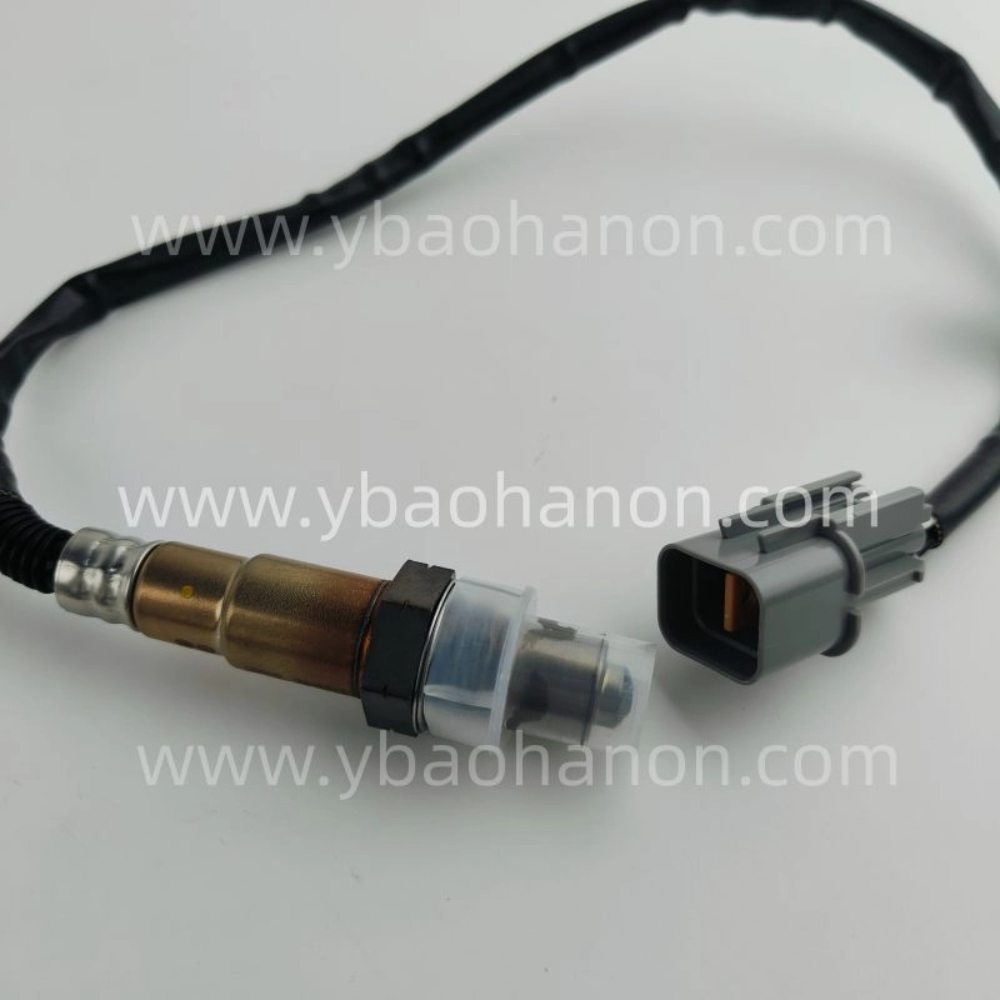
A delivery truck burning excess fuel or a passenger sedan idling erratically at a traffic light frequently points toward classic Oxygen Sensor Symptoms. This specific component functions as the primary respiratory monitor for an automobile’s combustion cycle, constantly analyzing the exhaust flow to regulate the precise fuel blend entering the cylinders. Recognizing these early mechanical indications remains an economic necessity for fleet operators and everyday drivers alike. Ignoring a seemingly minor acceleration hiccup can rapidly snowball into a melted catalytic converter.
Procuring dependable replacement components holds equal weight to correctly diagnosing the core mechanical failure. Operating as a dominant force within the competitive automotive aftermarket, STARIA manufactures OE-quality auto parts engineered to demanding military-grade specifications. Drawing upon 18 years of accumulated technical proficiency and a robust global supply chain, STARIA delivers comprehensive engine management solutions. Their premium sensors boast exceptional tolerance to extreme temperatures and chemical degradation. Installing these high-caliber parts effectively drives down long-term maintenance expenditures, simultaneously keeping commercial fleets operating at peak environmental compliance.
Common Signs of a Failing Oxygen Sensor
Dashboard Warning Indicators
The powertrain control module relies entirely on accurate voltage fluctuations transmitted from the exhaust piping to execute split-second fuel injection adjustments. When the sensing probe deteriorates and fails to transmit valid data, the onboard computer reacts defensively by triggering the malfunction indicator lamp. Drivers frequently misinterpret this glowing yellow light, writing it off as a loose gas cap rather than investigating the underlying cause. However, hooking up an OBD-II diagnostic scanner will typically reveal specific trouble codes, such as P0135 or P0171, directing the mechanic straight toward a voltage irregularity. During a cold start, the engine operates in a predetermined open-loop phase. The entire system only transitions to active closed-loop monitoring once the exhaust gases heat the probe sufficiently. If thick carbon ash blankets the internal ceramic element, that critical transition never materializes.
Rough Engine Idle
A properly functioning automobile should rest peacefully at a standstill. Should the steering column vibrate violently, or the RPM gauge bounce without any pressure on the accelerator, skewed data is probably disrupting the delicate injection timing. Without reliable exhaust feedback, the central processor struggles to balance the air-to-fuel ratio, resulting in uneven combustion within the engine cylinders. This mechanical misfire creates a physical sensation akin to the engine choking on excessive gasoline or desperately gasping for breath. Tackling these tangible Oxygen Sensor Symptoms promptly prevents the vehicle from unexpectedly stalling in the middle of busy intersections or during tight parking maneuvers.
| Parameter | Healthy Component | Failing Component |
|---|---|---|
| Operating Temperature | 300°C to 600°C | Under 300°C (Sluggish response) |
| Voltage Output Range | 0.1V to 0.9V (Rapidly fluctuating) | Fixed at 0.45V or Narrow Range |
| Signal Response Time | Less than 100 milliseconds | Greater than 300 milliseconds |
| Fuel Trim Adjustment | +/- 5% to 10% | Pegged at +25% (Maximum Rich) |
Direct Impact on Your Fuel Economy
Incorrect Air-Fuel Mixture
Traditional gasoline powertrains operate most efficiently at a strict 14.7:1 air-to-fuel stoichiometric ratio. As the sensing element degrades due to prolonged heat exposure or soot accumulation, it frequently generates a false lean reading. This essentially tricks the central processor into believing the exhaust stream contains an abundance of unburned oxygen. To protect internal cylinder valves from overheating and structural failure, the computer overcompensates by injecting a massive surplus of gasoline, creating a rich fuel mixture. Consequently, whenever Oxygen Sensor Symptoms surface, the powertrain essentially operates blindly. The computer defaults to a conservative protective protocol that wastes substantial volumes of fuel just to keep the engine running safely.
Increased Fuel Consumption
Pumping a rich fuel mixture directly depletes the gas tank and severely inflates operational expenses. Logistics directors managing fleets of commercial delivery vans frequently report mileage drops ranging from 10% to 15% when these exhaust monitors malfunction. Over a full year of continuous highway driving, that percentage drop translates to a severe financial drain at the pump. Replacing the compromised element immediately keeps corporate maintenance budgets intact and predictable. For in-depth diagnostic data and professional repair guidance, the STARIA Solution Center offers extensive online resources. These technical guides assist technicians and wholesale buyers in getting grounded vehicles back into active circulation swiftly.
Rising Exhaust Emissions and System Damage
Elevated Harmful Gases
Igniting excessive amounts of gasoline forces hazardous levels of carbon monoxide and raw hydrocarbons out through the tailpipe. A strong, sulfurous odor resembling rotten eggs often lingers directly behind a vehicle suffering from this precise mechanical failure. This sudden surge in toxic emissions practically guarantees an automatic failure during mandatory state environmental inspections, forcing the vehicle off the road until mechanics restore full compliance. Local transportation authorities implement stringent plug-in diagnostic checks, making the early detection of Oxygen Sensor Symptoms a pressing necessity to avoid heavy municipal fines. If the emissions monitor simply displays a “not ready” status on the inspector’s screen, the testing facility will reject the automobile without hesitation.
Catalytic Converter Failure
The most devastating financial consequence of ignoring faulty exhaust readings takes place underneath the chassis. Whenever unburned gasoline bypasses the combustion chamber and enters the exhaust tract, it encounters the intensely hot catalytic converter. The raw fuel spontaneously ignites, generating an internal furnace that literally melts the fragile ceramic honeycomb structure inside the metal housing. What initially presented as a basic, inexpensive component replacement quickly escalates into a catastrophic exhaust blockage requiring thousands of dollars to rectify. Acknowledging Oxygen Sensor Symptoms in their infancy shields this highly expensive emission control device from irreversible thermal destruction.
| Maintenance Action | Estimated Parts Cost | Secondary Damage Risk |
|---|---|---|
| Immediate Replacement | $50 to $150 | Negligible |
| Delayed Action (1 to 2 Months) | $50 to $150 | Fouled spark plugs, poor mileage |
| Ignored Completely | $800 to $2,500+ | Melted catalytic converter, engine stall |
Premium Replacements for Your Fleet
High-Quality Ceramic Technology
Sourcing resilient replacement parts extends the operational lifespan of commercial vehicles and safeguards corporate profit margins. STARIA constructs its monitoring devices employing an advanced fine ceramic technology, reinforced by a specialized anti-poisoning protective coating. This specific structural design dramatically prolongs the component’s durability, granting it superior resistance against inferior gasoline grades and heavy carbon deposits. Independent repair facilities overwhelmingly prefer installing parts that eliminate frustrating customer return visits. To explore these stringent manufacturing protocols and quality assurance testing methods, automotive professionals can review the About Us page for comprehensive corporate details and factory credentials.
39210-2B110 Sensor Features
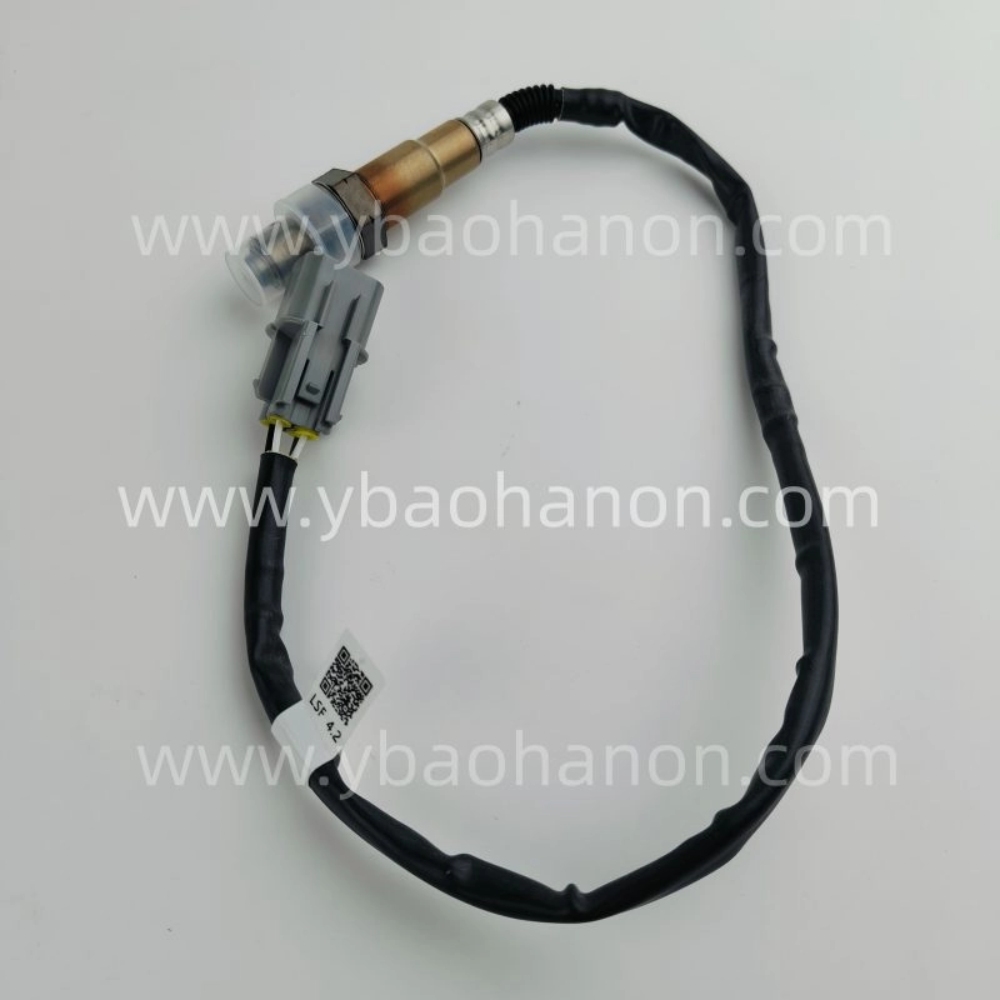
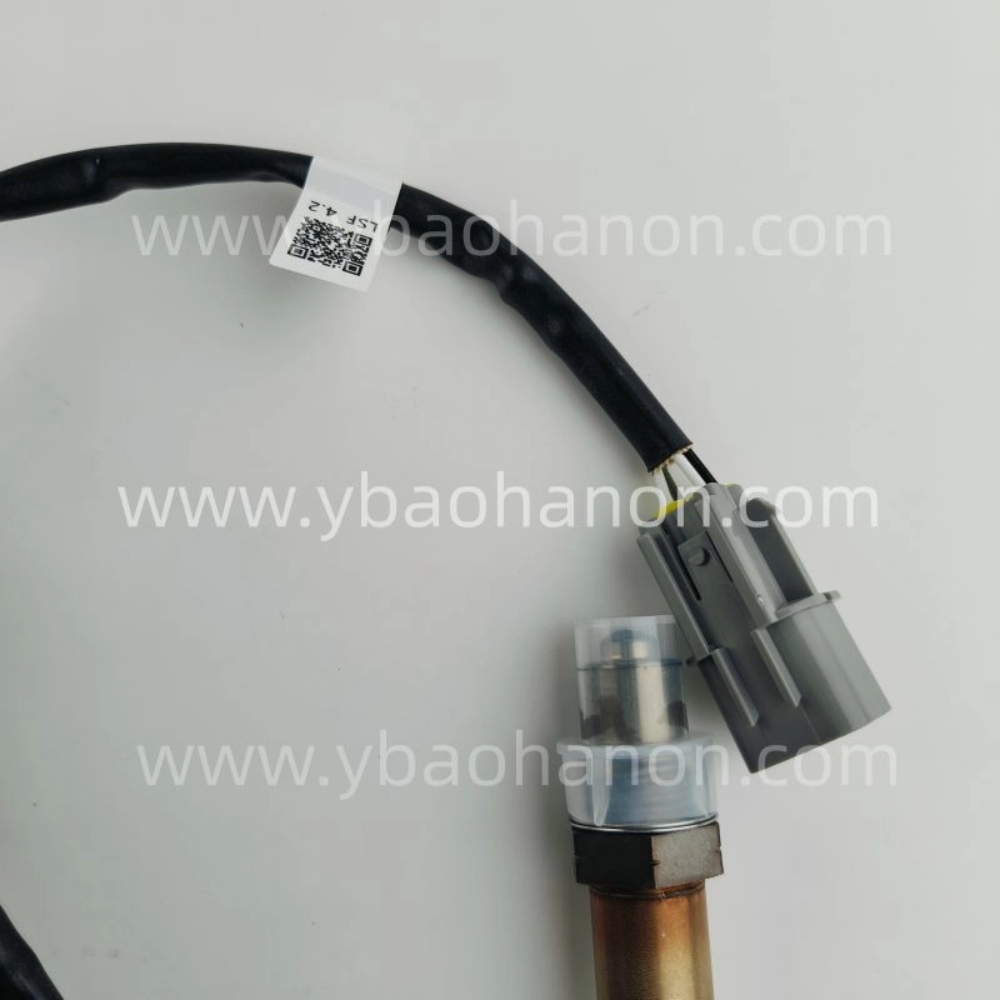
For Hyundai and Kia platforms demanding exact original equipment dimensions, the 39210-2B110 SENSOR ASSY-OXYGEN,FR supplies unmatched reliability. Fabricated on fully automated assembly lines, this specific unit integrates precision laser welding to join the electrode to the ceramic substrate. This advanced manufacturing technique maintains an astonishingly low error margin of just ±0.01mm. Every individual product undergoes an exhaustive end-of-line verification process to confirm precise voltage outputs prior to shipping. Its rapid light-off capability means the probe hits its optimal operating temperature almost instantly, effectively slashing tailpipe pollutants mere moments after a cold engine start.
Partner With STARIA for Your Auto Parts Supply
Comprehensive OEM Services
Collaborating with an independent factory eliminates intermediaries and substantially shrinks procurement overhead. The key functions of STARIA such as searching for the right products, developing them and mass-producing them are provided as a total OEM service to overseas buyers. At the production facility of STARIA, strict quality control is carried out not only on in-house material procurement but also on the entire supply chain from raw materials to packaging.
Given the complex modern powertrains are, it is necessary to use high quality parts that meet international standards. Purchasing them from a verified manufacturer such as STARIA, instead of from a general trading company, allows buyers to avoid uncertainties associated with purchasing from trading companies. In addition, by equipping latest testing equipment, STARIA can assure that all the parts shipped out are of same quality as those made at the factory.
Direct Factory Contact
Whether you’re a wholesale distributor, regional dealer or auto parts franchise, you need a reliable supply line and means of communication to stay competitive in the aftermarket. By establishing a direct relationship with a manufacturer, you can get the best product customized to fit your needs, have a dedicated point of contact for support and get the best possible prices. Whether it’s matching technical data, high volume OEM fabrication or processing of orders 24/7, contact us today through our Contact Us page to lock in your inventory and maximize your profit margin.
FAQs
Q: How long do these exhaust monitors typically survive in modern automobiles?
A: The majority of contemporary sensors last anywhere from 60,000 to 100,000 miles assuming that the driver drives normally. The sensors can fail early, however, if they are exposed to harsh weather, poor fuel with low cost additives, or internal engine oil leaks. It is recommended by mechanics to check these sensors for early signs of failure during a typical tune-up to prevent fuel inefficiency and additional repair costs for clogged catalytic converters and fouled spark plugs.
Q: Is it physically possible to continue driving when the component fails?
A: While the automobile will remain drivable in the short term, automotive engineers strongly advise against pushing the limits. Disregarding the dashboard warnings forces the computer to burn an excessive volume of gasoline. Over an extended period, this surplus fuel clogs the catalytic converter, coats the spark plugs in thick black soot, and spawns severe performance issues that demand expensive mechanical interventions.
Q: What specific factors cause an oxygen monitor to break down prematurely?
A: The most prevalent culprits involve chemical contamination stemming from internal coolant leaks or motor oil seeping into the combustion chambers. Utilizing low-tier gasoline heavily laced with cheap additives also leaves a thick layer of ash across the sensing element. Spotting Oxygen Sensor Symptoms swiftly allows technicians to identify these underlying root causes before they inflict collateral damage upon adjacent engine systems.


