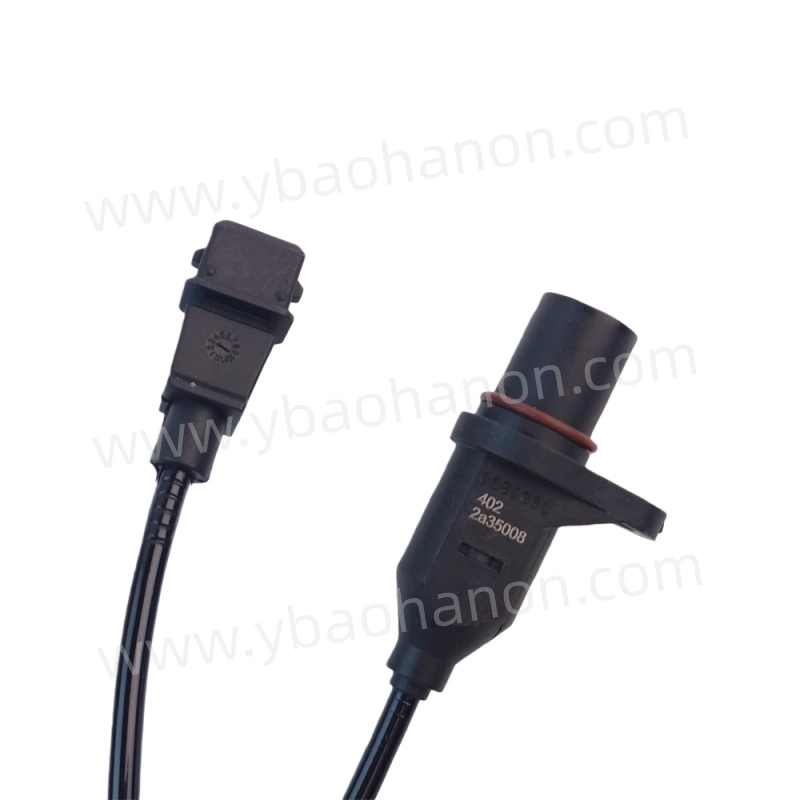

The Complete Buyer’s Guide to Sourcing the 22410-2B000 Oil Pump Cover
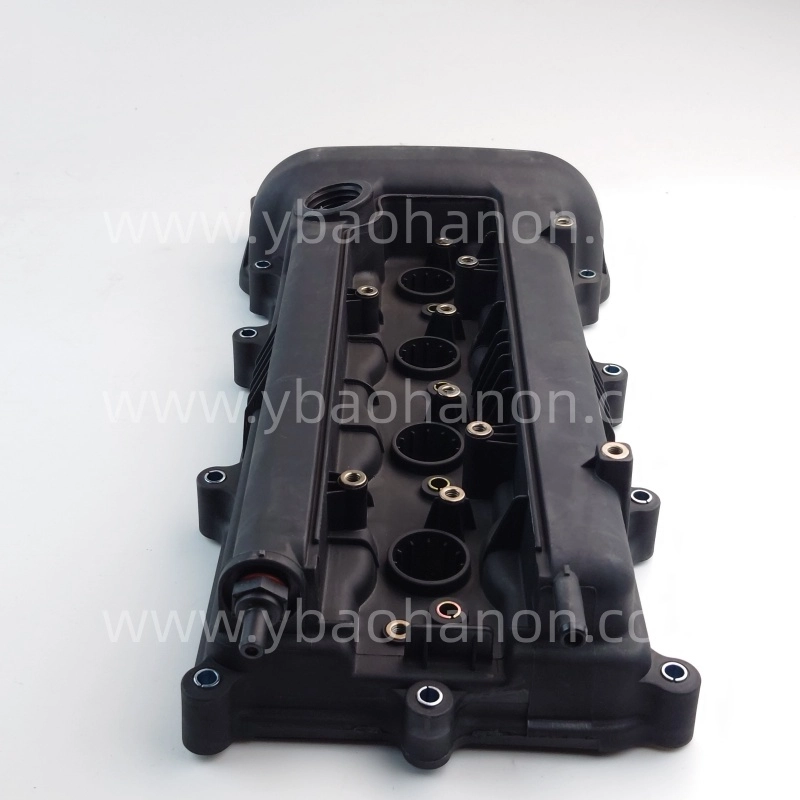
Finding dependable engine parts decides if an auto repair shop makes money or goes broke. When fixing certain Hyundai and Kia cars, getting a solid 22410-2B000 is a hard rule. This timing chain oil pump cover acts as a physical wall against total mechanical disaster.
That is where STARIA steps into the picture. They are a massive global supplier in the car aftermarket space. Backed by their well-known YBAOH line, the company ships out tough engine parts built to last. They stick to OE-level specs, giving wholesalers the exact metal needed to keep cars driving safely.
The Mechanics of the 22410-2B000 Timing Chain Oil Pump Cover
Critical Role in Engine Systems
Think about how the oil moves. The pump pulls fluid from the bottom pan and shoves it upwards. The cover keeps all that pressurized liquid directed exactly where it needs to go, forcing fluid towards the spinning camshafts. If the cover has even a microscopic warp, the pressure drops. It is exactly like trying to drink from a cracked plastic straw. You get air instead of fluid. In an engine, air means dry friction, creating massive heat. At 4,000 RPMs, driving with bad pressure welds the internal metal components together. It is a terrible situation.
Common Symptoms of Part Failure
When this part fails, signs usually show up right on the concrete driveway. You will spot a fresh, dark puddle of 5W-30 motor oil after the car sits overnight. Shop techs always listen for a loud ticking noise coming from the front belt area. That annoying sound means the timing chain is running dry and slapping aggressively against the plastic guides. Overheating is another huge clue. Less oil means the engine cannot cool down. Brushing off these drips leads straight to a massive bill for a full engine swap. Customers absolutely hate getting that phone call.
Identifying High-Quality Replacements
Material Durability and Heat Resistance
Not all aftermarket pieces use the right melted metal mix. A top-level 22410-2B000 Oil Pump Cover needs solid ADC12 aluminum die-casting to survive. Cheap cast metals get super brittle fast. Imagine hitting a massive pothole during a freezing winter. A thin cover simply cracks open from the sudden shock. Good aluminum actually fights off the harsh chemical breakdown caused by modern synthetic oils. Over time, cheap metal gets porous and sweats oil right through the casting. Quality metal stays dense well past the 100,000-mile mark. It is worth paying a few extra dollars to avoid a catastrophic highway failure.
| Material Type | Heat Limit | Rust Resistance | Shop Lifespan | Defect Rate |
|---|---|---|---|---|
| Premium ADC12 Aluminum | Up to 650° Celsius | Excellent | Over 100,000 Miles | Under 0.5% |
| Standard Cast Iron | Up to 500° Celsius | Average | Around 60,000 Miles | Roughly 3.2% |
| Low-Grade Mixed Metal | Below 400° Celsius | Very poor | Under 30,000 Miles | Almost 8.7% |
Precision Manufacturing and OE Fitment
A tiny fraction of a millimeter is literally the difference between a dry motor and a non-stop oil leak. Precise cutting machines make the bolt holes line up flawlessly with the factory block. The flat spot where the rubber gasket sits has to be completely smooth, with zero microscopic pitting. If a factory gets sloppy on CNC tolerances, your mechanics waste hours trying to force a badly shaped part onto the engine. They usually get frustrated and smear messy silicone sealant everywhere. OE fitment means the metal drops right onto the dowel pins smoothly, saving expensive shop time.
Avoiding Common Sourcing Pitfalls Online
Risks of Counterfeit Engine Components
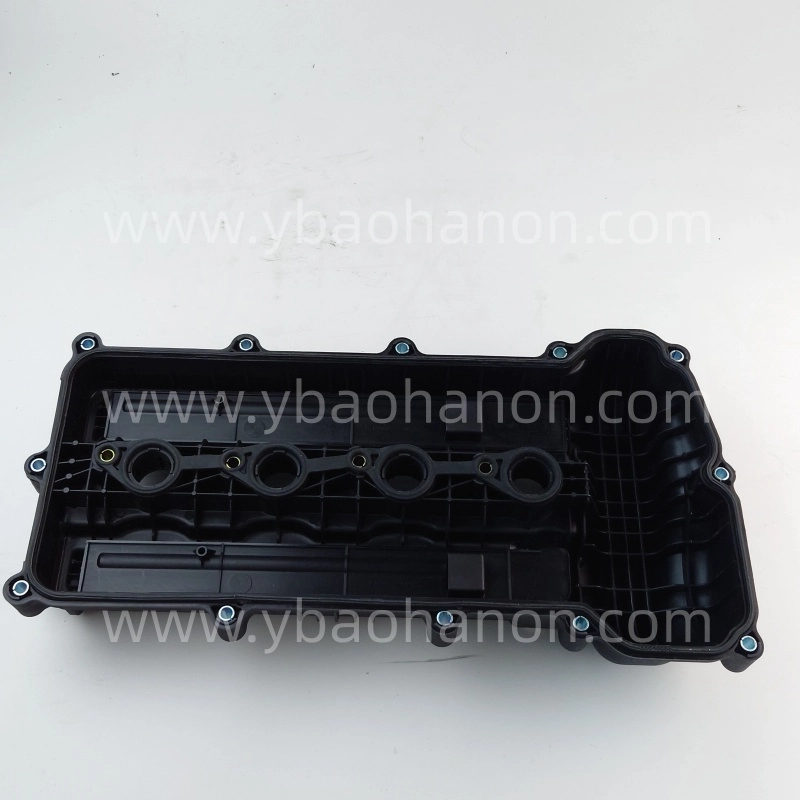
The internet is flooded with shady sellers trying to make a quick buck on repair pieces. They take nice photos but ship you a piece of junk in a plain box. Fake parts look fine on a phone screen but fall apart under the hood. Putting a fake 22410-2B000 Oil Pump Cover on a car puts the driver in actual physical danger. These knockoffs use cheap, recycled rubber seals that harden up and blow out instantly. A wholesale business takes a massive reputation hit every time a shop returns a fake part. It takes years to build trust and five minutes to lose it.
Inaccurate Catalog Information Challenges
E-commerce sites run on backend code, not real grease-monkey logic. A data worker might accidentally type that a part fits a 2015 model, when it actually only fits a 2012. Trusting broken online catalogs makes you order the wrong boxes. Then, customer cars sit stuck on garage lifts for two weeks waiting for the correct swap. Buyers get incredibly angry when their car is held hostage by a wrong part. Dealing with a real manufacturer strips away all that catalog guessing. They cast the metal using actual original blueprints, so the part numbers match up perfectly every time.
Evaluating Auto Parts Wholesale Suppliers
IATF 16949 Quality Certification Requirements
The global car supply chain needs tight rules to keep people safe. IATF 16949 is pretty much the absolute gold standard for making car parts today. Factories holding this certificate run insanely strict checks to catch tiny flaws before a box hits the shipping pallet. They watch everything, checking the melting pots and visually inspecting final boxes. They also follow REACH and RoHS rules strictly. That keeps toxic chemicals and banned heavy metals completely out of your warehouse. Nobody wants to deal with toxic liability issues or failed customs inspections. Certified factories do things the right way.
Supply Chain Stability and Capacity
Waiting three months for a cargo ship stuck at a crowded port totally kills your business cash flow. You really need a partner with a tough logistics setup. A smart supplier keeps local warehouses running right next to their main distribution hub. This kind of physical layout cuts shipping transit times from months to just a few days. Having deep inventory numbers means you never have to look a stressed mechanic in the eye and say the exact part they need is on backorder. Fast shipping wins loyal customers who will buy from you again and again.
| Sourcing Metric | Traditional Setup | Factory Sourcing |
|---|---|---|
| Quality Control | Random across batches | Strict IATF 16949 rules |
| Average Lead Time | 45 to 60 Days | 15 to 30 Days |
| Part Fitment | Lots of catalog guessing | Uses exact original blueprints |
| Tech Support | Very slow email replies | Fast point-to-point tracking |
Why STARIA Excels in Hyundai Engine Parts
Advanced Independent Manufacturing Facilities
Keeping tabs on quality always starts right on the factory floor. The company runs their own manufacturing bases across key spots, including dedicated chassis and wear part plants in Hebei and Anhui. Watching the assembly floor directly gets rid of third-party middlemen completely, dropping defect numbers down to almost zero. Every single piece goes through harsh spectral metal checks and high-pressure fluid testing before boxing. To see the exact details of their factory setup, you can casually check out the About Us page. Knowing exactly where your parts come from gives you total peace of mind.
Comprehensive Owned Brand Matrix
The YBAOH line points right at the highly profitable world of Hyundai and Kia engine parts. Instead of throwing a huge, messy catalog of random pieces at you, this focused plan gives you highly specialized stuff. We are talking about water pumps, pistons, and full cylinder gaskets that actually fit. You get direct access to a hand-picked list of boxes that independent garages literally ask for every single morning. Focusing on one specific niche makes ordering simpler and drastically reduces dead stock sitting on your shelves collecting dust. It is a much smarter way to buy inventory.
Upgrade Your Automotive Business with STARIA Services
One-Stop OEM Service Solutions
Trying to juggle five different overseas vendors wastes tons of office time and drives shipping bills through the roof. The group acts like a giant automotive parts hub, mixing material research, heavy production, and direct sales smoothly together. Whether you want custom boxes or specific local fitment tweaks for your market, their Solution Center does all the heavy lifting for you. This all-in-one setup lets wholesale buyers group their orders together easily. Fewer separate shipments mean you drop your freight bills massively and push your profit margins way higher. It just makes perfect business sense.
Direct Contact for Global Support
Growing a money-making partnership means you have to talk clearly. Stop typing to annoying automated chat bots and speak directly to real people who actually know how cars are built. The team is totally ready to match your bulk shelf needs with finely engineered pieces like the popular 22410-2B000 Oil Pump Cover. Lock down your supply lines today and shield your business from crazy market swings and sudden shortages. Reach out straight through the Contact Us portal to grab custom wholesale pricing and real technical backup from people who genuinely care about your success.
FAQs
Q: What models use the 22410-2B000 Oil Pump Cover?
A: This specific metal cover fits a bunch of Hyundai and Kia cars usually running the 1.6L motor block. Always match your exact vehicle identification number (VIN) with the maker’s list to confirm the fit before spending any money.
Q: How often should I check the timing chain cover area?
A: Shop techs strongly suggest looking at the front engine block for oil drips during every normal oil change, usually around the 30,000-mile mark. Catching a wet spot early stops a massive oil blowout on the highway later.
Q: Can I replace just the gasket instead of the whole cover assembly?
A: While swapping just the rubber seal is technically doable, bolting on a totally fresh 22410-2B000 Oil Pump Cover is a way safer bet. Old metal covers get tiny bends or hidden hairline cracks after thousands of hours soaking in hot oil. A new rubber seal cannot fix bent metal.