
CVTF vs. ATF: How to Choose the Right Automatic Transmission Fluid for Smooth Shifting
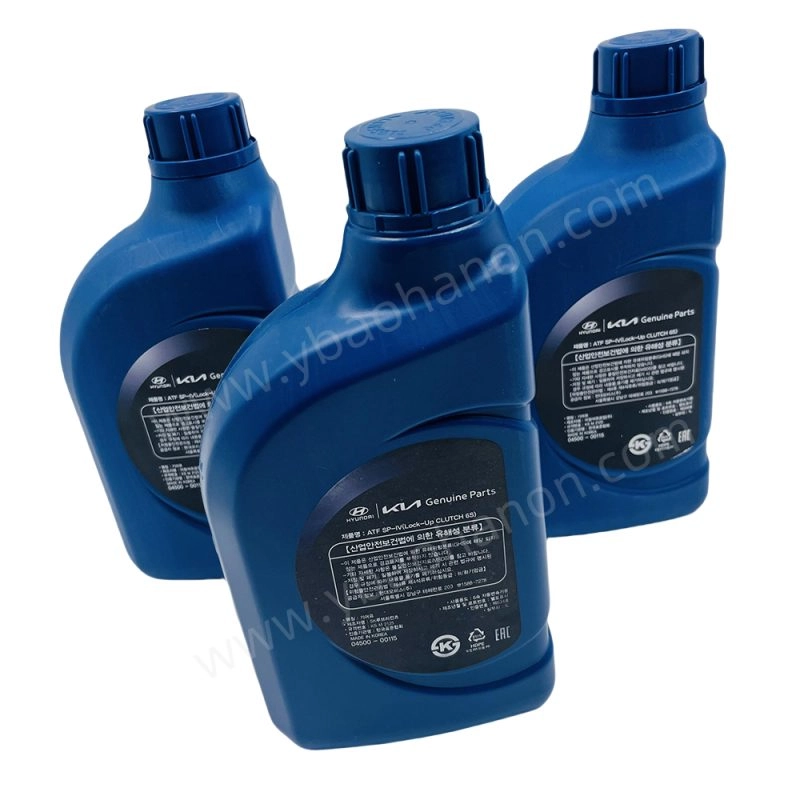
Choosing the right Transmission Fluid is not a small service detail. It affects shift feel, clutch response, heat control, wear protection, and customer complaints after repair. When a vehicle leaves the workshop with delayed shifting or light shudder after an oil change, the first question should not be only “Is the gearbox damaged?” A more practical question is often: was the right fluid used?
STARIA works in the global automotive aftermarket with a product system covering chassis parts, engine-related parts, wear parts, repair parts, A/C system parts, and lubricating products. Its supply layout includes warehouse support, category coverage, and overseas trade experience, which matters when you need stable parts and repeat orders. For repair shops, distributors, and importers, STARIA’s automatic transmission oil line gives you a clearer option when customers ask for smoother shifting, stable viscosity, and a reliable maintenance product instead of a random low-cost bottle.
Why Automatic Transmission Oil Matters for Smooth Shifting
Lubrication and Wear Control
Inside an automatic gearbox, many metal parts work in a tight space. Gears, bearings, clutch packs, and hydraulic channels all depend on oil condition. Good oil reduces friction, carries away small wear particles, and helps the transmission keep a clean working environment.
When the oil is old, dirty, or not matched to the gearbox, you may see small problems first. A driver may say the car “jumps a bit” when shifting from P to D. Another may feel a short delay in traffic. These comments sound casual, but workshops hear them every week.
Cooling and Hydraulic Pressure
How Transmission Fluid Supports Smooth Shifting
Transmission Fluid also works as a coolant and hydraulic medium. It helps absorb heat from friction and sends pressure through the valve body to control shifting. If oil pressure becomes unstable, the gearbox may slip, shift late, or feel harsh when changing gears.
For buyers, this means one thing: automatic transmission oil should not be selected only by price or color. The fluid must suit the hardware system.
| Function | What the Oil Does | Possible Problem When Oil Performs Poorly |
|---|---|---|
| Lubrication | Reduces wear between metal parts | Faster internal wear |
| Cooling | Carries away friction heat | Higher working temperature |
| Cleaning | Suspends small debris and deposits | Dirty channels and poor flow |
| Power Transfer | Helps torque converter operation | Slipping or weak drive feel |
| Hydraulic Control | Builds pressure for gear shifts | Shift delay or harsh engagement |
CVTF vs. ATF at a Practical Level
Transmission Hardware Differences
CVTF and ATF are not two names for the same product. CVTF is made for continuously variable transmissions. ATF is made for traditional automatic transmissions. DCTF is another type for dual clutch systems, and it can be split by dry or wet clutch design.
A parts counter may see these bottles lined up together, but the gearbox behind each one works differently. That is where many wrong purchases start.
Fluid Function Differences
CVTF needs friction behavior that suits a belt or chain system. ATF must work with hydraulic shifting, torque converter action, and clutch packs inside a traditional automatic gearbox. DCTF has to match clutch design and heat load.
Using the wrong Transmission Fluid may not destroy a gearbox right away, but it can bring shudder, slipping, noise, and repeat service. For an importer, that also means claims, returns, and long messages from customers who only say, “The oil is not smooth.”
| Fluid Type | Main Application | Key Working Need | Common Risk When Misused |
|---|---|---|---|
| CVTF | CVT gearbox | Stable belt or chain friction | Shudder, weak drive feel |
| ATF | Traditional automatic gearbox | Hydraulic pressure and clutch control | Shift delay, slipping |
| DCTF | Dual clutch gearbox | Wet or dry clutch match | Rough clutch action, wear |
| AMT Fluid Need | Automated manual system | Actuator and gearshift support | Poor shift response |
What Goes Wrong When the Wrong Fluid Is Used
Shift Delay and Shudder
A wrong oil choice often shows up after a service. The vehicle may start normally, but after ten minutes of driving, low-speed shudder appears. In another case, the driver may feel a delay when moving from R to D. This does not always mean the gearbox is finished. Wrong fluid grade, low oil level, or mixed old oil can all lead to similar symptoms.
For B2B buyers, the problem is bigger than one vehicle. If one SKU is wrongly recommended across many service shops, the same complaint may repeat in different markets.
Overheating and Abnormal Wear
Transmission oil also handles heat. When friction control is poor, the internal temperature can rise faster. Heat then weakens oil performance, and the gearbox may begin to shift harder. Over time, clutch plates can wear faster.
A small practical point: if the oil smells burnt during inspection, do not treat the next order as a simple refill job. Check the gearbox condition, service history, and the correct fluid type first.
Key Specs You Should Check Before Ordering
Vehicle Compatibility
Before buying automatic transmission oil in bulk, check the vehicle model, production year, gearbox type, OEM requirement, oil capacity, and local service habits. A 6-speed AT gearbox, an 8-speed AT gearbox, and a CVT unit may all appear in similar vehicle segments, but their fluid needs can be very different.
The STARIA solution center is useful when you need application checks before order planning. For distributors, this step helps reduce slow-moving stock and avoids product returns caused by wrong matching.
Viscosity and Friction Stability
A good oil should keep stable viscosity after long use. It should also flow well in cold conditions, so the transmission does not feel heavy at startup. Friction durability matters because clutch plates must keep a stable working feel through the service cycle.
STARIA’s high-performance automatic transmission oil is positioned around shear stability, low-temperature flow, viscosity-temperature performance, friction durability, wide vehicle compatibility, and fast, smooth gear shifting. These points fit the real concerns of repair channels, not only the wording on a label.
| STARIA Oil Feature | Practical Meaning for You | Customer Complaint It Helps Reduce |
|---|---|---|
| Shear Stability | Keeps viscosity steadier after long running | Rough shifts after use |
| Low-Temperature Flow | Reaches working condition faster in cold starts | Slow morning shifting |
| Viscosity-Temperature Performance | Handles wider driving conditions | Heat-related shift change |
| Friction Durability | Helps clutch plates keep stable friction | Shudder and slipping |
| Vehicle Compatibility | Supports more service scenarios | Wrong stock selection |
| Smooth Gear Shifting | Gives a more comfortable drive feel | “The car feels jerky” complaints |
Recommended STARIA Transmission Oil for Aftermarket Supply
STARIA Product Application Value
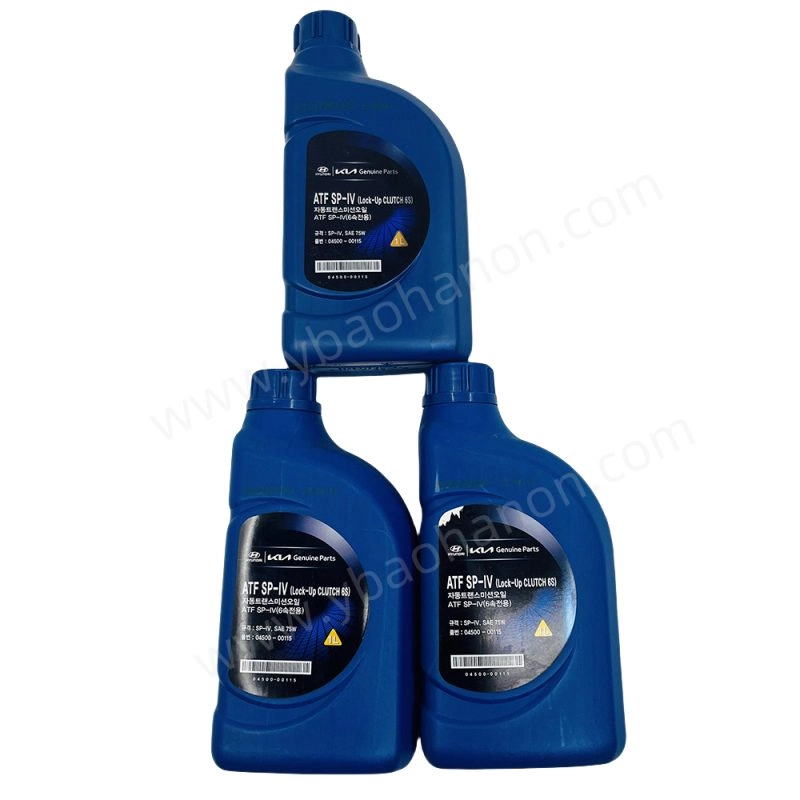
For buyers who need a dependable Transmission Fluid choice for automatic gearbox service, STARIA Transmission oil is worth adding to the maintenance category. It is especially suitable for customers who care about smoother shifting, oil stability, and clear product positioning.
This product can be sold with other fast-moving maintenance parts, such as filters, brake parts, spark plugs, sensors, and repair items. That kind of category setup is easier for wholesalers because customers often buy maintenance products together.
Distributor Stocking Logic
A distributor should not stock automatic transmission oil as one loose product. It should be listed by application, gearbox type, and market demand. For example, CVT-heavy markets need different stock planning from markets where 6-speed or 8-speed automatic gearboxes are common.
STARIA’s auto parts coverage can help with this kind of planning. The company structure includes brands for Korean vehicle parts, broad wear parts, repair items, and full-category coverage. You can also check more company background on the about us page before starting a long-term supply discussion.
Contact STARIA for Transmission Oil Service and Support
Application Confirmation Service
When you are not sure whether a vehicle needs CVTF, ATF, DCTF, or another oil type, confirm before buying. Send the vehicle model, gearbox type, year range, target market, and expected order quantity. A quick check at the beginning can save a lot of trouble after delivery.
STARIA can support buyers with product matching, stock planning, and service advice for transmission oil and other aftermarket parts.
Bulk Order and Contact Support
For stable Transmission Fluid sourcing, smoother shifting needs, and better stock planning, you can contact STARIA with your application list. A clear request usually includes vehicle models, oil type needs, packaging preference, quantity, and target market. It sounds basic, but basic details are exactly what make a bulk order move faster.
FAQ
Q: How do you know which Transmission Fluid a vehicle needs?
A: Check the gearbox type, OEM fluid requirement, model year, and service manual. Do not rely only on the vehicle brand name.
Q: Can CVTF and ATF be mixed if both are automatic transmission oils?
A: No. CVTF and ATF serve different gearbox designs. Mixing them may cause shudder, delayed shifting, or poor clutch response.
Q: Why choose STARIA for automatic transmission oil sourcing?
A: STARIA provides transmission oil options with product matching support, aftermarket category coverage, and bulk order service for distributors and repair channels.