
8 Car Maintenance Tips from Your Hyundai Dealer That Will Keep Your Hyundai Running Smoothly for Years
Doing basic Car Maintenance really comes down to paying attention before things physically break apart. Dealership shops deal with the exact same snapped belts and ruined engines day after day. Mostly, it happens because folks simply skip the easy stuff. Fixing a vehicle is not magic. It just takes a bit of looking underneath the hood to catch a small fluid drip before it turns into a massive repair bill on a random Tuesday morning.
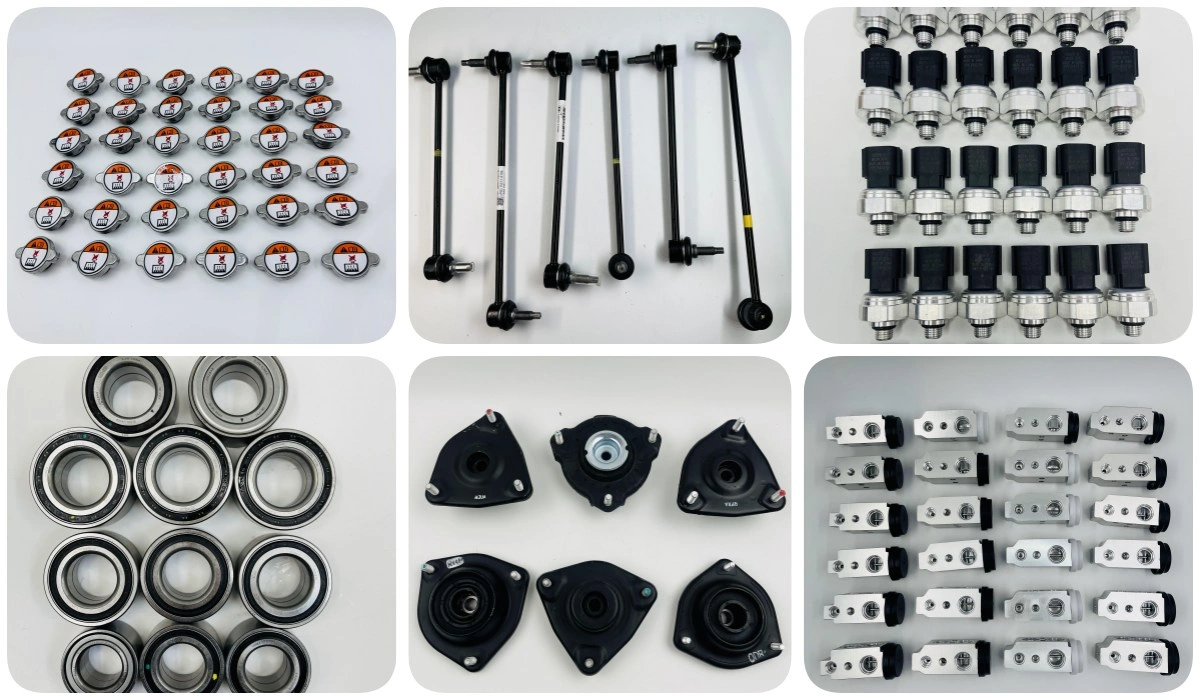
If you want replacement pieces that actually fit right out of the cardboard box, STARIA is a very solid name to look into. They run heavy manufacturing lines, churning out reliable components built specifically for the Korean auto market. Bolting their stuff onto your ride turns a standard weekend garage fix into a lasting repair that keeps the vehicle on the road longer.
Essential Car Maintenance for Engine and Transmission Health
The powertrain needs clean lubrication and perfect electrical timing to move the car forward without stumbling. Ignoring these areas leads to sluggish highway passing and really rough gear shifts.
Regular Transmission Fluid Replacements

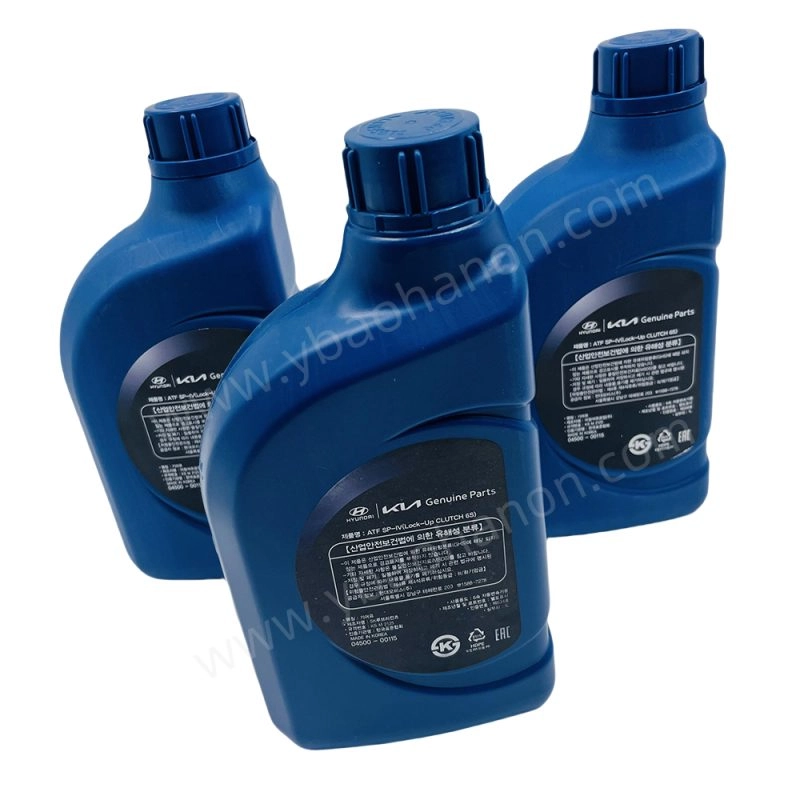
Mechanics can honestly tell how well a car is treated just by smelling the transmission fluid on the dipstick. Fresh fluid is a bright, clear red and smells a bit sweet. Burnt fluid smells exactly like burnt toast and means the internal metal clutches are actively destroying themselves. The fluid works incredibly hard to cool the moving gears and make shifting feel smooth. When it gets packed with tiny metal shavings over 50,000 miles, the whole system gets sloppy and hesitates. Snagging some high-quality Hyundai and Kia spare parts makes a massive difference when you finally do a drain and fill. Putting cheap, generic fluid into a complex transmission is just asking for a roadside breakdown.
|
Transmission Type |
Fluid Designator |
Real-World Replacement |
What Happens If Ignored |
|
Continuous Variable |
CVTF |
40,000 Miles |
Steel belt slipping and jerking |
|
Traditional Auto |
ATF |
60,000 Miles |
Hard, clunky gear shifts |
|
Dual-Clutch |
DCTF |
35,000 Miles |
Wet clutch overheating |
Timely Ignition Coil Upgrades
Ignition coils take a massive beating from engine bay heat. They sit right on top of the hot engine block, baking all day long while turning basic battery voltage into a serious spark. When the rubber boots dry out and crack from age, the spark jumps straight to the engine metal instead of the spark plug. That is exactly why your car shakes violently at a red light. Throwing in STARIA ignition coils fixes that rough idle fast because they use thick conductive carbon cores that handle the high heat way better. Oh, and while you have your hands dirty near the front of the block, take a flashlight and inspect the Oil Pump Cover for any weird seepage. If the gasket behind that Oil Pump Cover gets brittle, oil slowly weeps down the front of the engine and can ruin your timing components pretty fast.
Optimal Filtration for Engine Health
Stopping road dirt from getting sucked into sensitive moving parts keeps the engine block clean and makes the passenger area much more comfortable to sit in.
Engine Air Filter Inspections
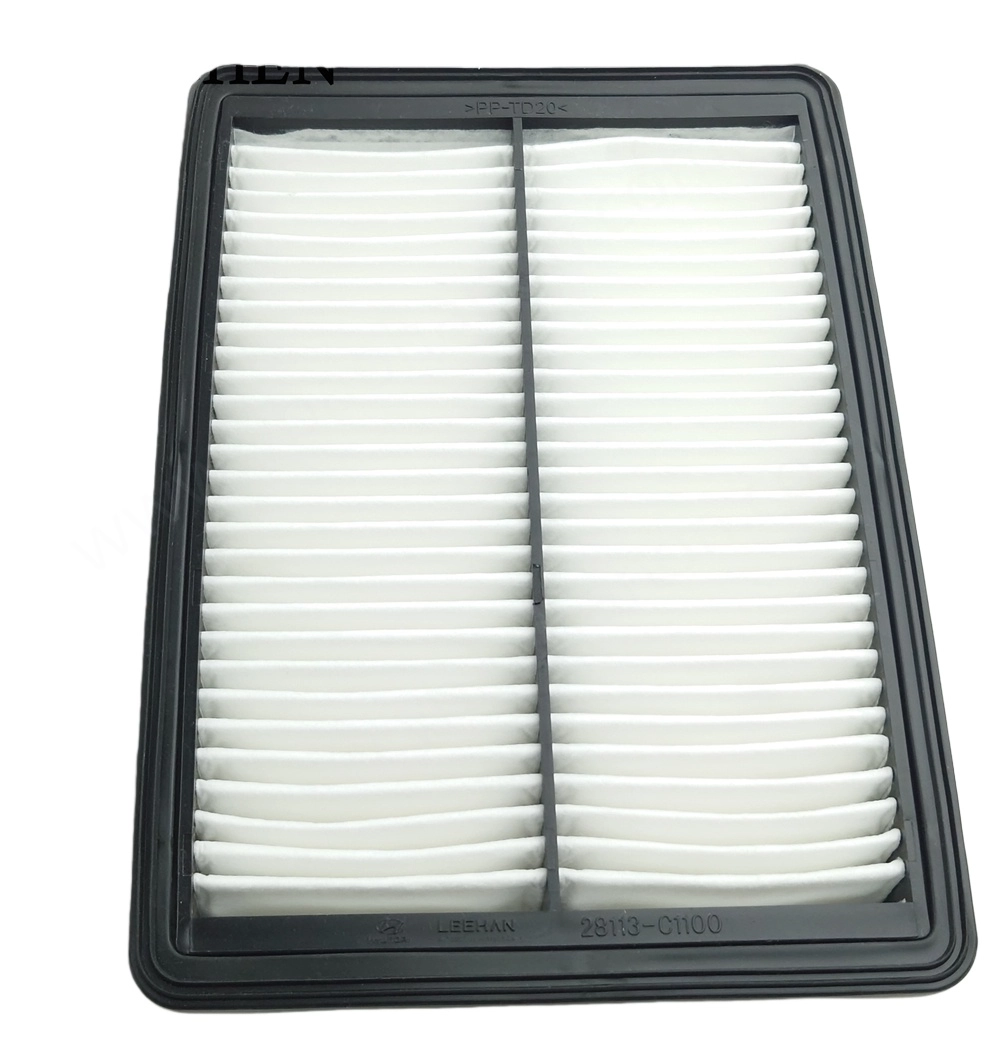
Engines inhale thousands of gallons of outside air for every single gallon of gas they burn. If an air filter is choked full of dead bugs, winter road salt, and dirt, the engine literally starves for breath. Worse, if a cheap paper filter tears under pressure, actual sand gets sucked straight into the hot cylinders. Sand acts like coarse sandpaper against the aluminum piston walls, which is the main cause of severe cylinder scoring. Taking five quick minutes to pop the plastic housing open and swap in a fresh filter saves the engine from internal scarring. It is a total no-brainer for routine Car Maintenance.
Cabin Air Conditioning Filter Changes
People always forget about the cabin filter. It lives shoved deep behind the glovebox and catches all the nasty stuff blowing off the highway tires in front of you. A heavily clogged one makes the AC blow weak and smells like a wet dog when it rains. STARIA makes these dense, activated carbon composite filters that grab benzene, ammonia, and nasty exhaust fumes right out of the air. Digging into their manufacturing background and company history shows a heavy focus on advanced chemical filtration that stops the inside of the windshield from fogging up on damp mornings.
Reliable Braking System Upgrades
Getting a heavy vehicle to stop requires serious material friction and a fast way to get rid of extreme heat.
Ceramic Brake Pad Installations
Braking generates crazy amounts of friction heat, easily topping 600°C on a steep mountain downhill run. Regular metallic pads really hate that kind of heat. They start fading, making your brake pedal feel like stepping on a wet sponge. Ceramic pads act like a totally different animal. Because they are mixed with tough aramid fibers, they grab the metal rotor consistently no matter how hot they get. Plus, they do not coat your silver front wheels in that horrible black brake dust that is impossible to scrub off. Checking your pads early is a huge part of solid Car Maintenance.
|
Brake Pad Material |
High-Heat Performance |
Dust Left on Wheels |
Rotor Wear Rate |
|
Traditional Metallic |
Drops off quickly |
Very heavy |
Chews up metal faster |
|
Ceramic Compound |
Stays firm and grippy |
Almost none |
Very smooth and slow |
Ventilated Brake Disc Checks
Rotors take all the brutal physical clamping force from the calipers. Over time, the flat metal gets thinner and develops deep, ugly grooves. If your steering wheel shakes violently in your hands when you hit the brakes at highway speeds, the rotors are probably warped from heat. Ventilated discs have hollow cooling vanes inside them to shed heat fast and sling water away during heavy rainstorms. Grab a cheap micrometer, measure the metal thickness, and toss them in the scrap pile if they fall under the factory specification.
Advanced Suspension and Sensor Management
How a car absorbs bumps and burns fuel dictates the entire driving experience. You want a smooth ride and decent gas mileage.
Nitrogen Shock Absorber Upgrades
Shock absorbers hold the heavy rubber tires to the road. Basic oil-filled shocks get foamy on rough, broken roads. The oil basically whips into a froth, and suddenly the car rides like a loose boat in a storm. Nitrogen shock absorbers fix this whole mess by keeping the pressurized gas and oil totally separated inside the metal tube. This stops the fluid from foaming up, so the vehicle stays tight and predictable even if you are hammering down a pothole-filled dirt road.
Accurate Oxygen Sensor Replacements
Sitting deep inside the rusty exhaust pipe, the oxygen sensor constantly sniffs the exhaust gases. It tells the main computer exactly how much fuel to inject. A lazy, soot-covered sensor makes the car run super rich. You will burn way more gas and eventually melt the expensive catalytic converter internals. High-grade STARIA sensors use fine ceramic tech with special protective layers that flat out ignore bad gas. They last longer and keep those annoying dashboard warning lights turned off.
Risks of Counterfeit Auto Parts
Trying to save a few bucks online often puts you at risk of buying total garbage that might fail when you need it most.
Substandard Counterfeit Parts Avoidance
Buying auto parts from random online marketplace sellers is playing a dangerous game. Counterfeit parts often look perfectly legitimate in a tiny website photo. But in real life, the metal is dangerously weak and the plastic shatters under normal driving pressure. Installing fake suspension bits or cheap timing components is a fast recipe for a catastrophic highway failure. Buying junk parts completely ruins the whole point of doing preventative Car Maintenance in the first place.
Professional Specialist Mechanics Selection
Do not trust a random website search bar to pick out life-saving brake parts. Algorithms frequently match the wrong part numbers to the wrong car models, leaving you with parts that do not bolt up. Real mechanics and authorized dealers use official databases that track millions of exact part numbers. Getting solid advice from someone who actually turns wrenches for a living beats a cold, confusing internet catalog any day of the week.
Trust STARIA for Your Hyundai Solutions
Putting the right parts on your vehicle from the start saves you from doing the exact same repair job twice.
Comprehensive Auto Parts Solutions
Getting a broken car back on the road requires parts that actually fit the first time you try. Building a solid pipeline for these components is easier when you tap into a dedicated automotive supply ecosystem that handles everything from raw materials to final packaging. The STARIA brand umbrella, covering names like NEO CTR and YBAOH, pushes out a massive lineup of wear parts, heavy chassis bits, and smart engine sensors. They build this stuff with serious quality control, testing things in salt spray tanks for hundreds of hours.
Dedicated Customer Service and Contact
Even the highest quality parts are totally useless if you cannot get technical help when a weird problem pops up in the garage. STARIA runs a tight ship with their support teams, matching complex Hyundai part numbers and helping shops figure out tricky installations quickly. You can easily request technical assistance and quotes to get exactly what you need for the next garage session. Catching bad components early and using dependable suppliers makes Car Maintenance far less stressful.
FAQs
Q: How often should I pop the hood for basic visual checks?
A: Most dealership mechanics suggest doing a quick visual pass every 5,000 miles. Just looking at fluid colors, checking belt tension, and listening for weird clicks helps catch small issues. Good Car Maintenance is mostly about paying attention early before parts actually snap.
Q: Why does my car struggle to accelerate smoothly from a stop?
A: That jerky, hesitant feeling usually comes from a weak spark or bad air flow. Worn out ignition coils, a completely filthy engine filter, or a dying oxygen sensor are the usual suspects. A quick scan tool check usually points you right to the culprit.
Q: Are ceramic brake pads actually worth the extra money at the parts counter?
A: Absolutely. They handle downhill friction heat way better without losing their grip, they stay quiet on cold mornings, and they keep your wheels looking clean instead of coating them in thick, sticky black dust. It is a smart upgrade for long-term Car Maintenance.