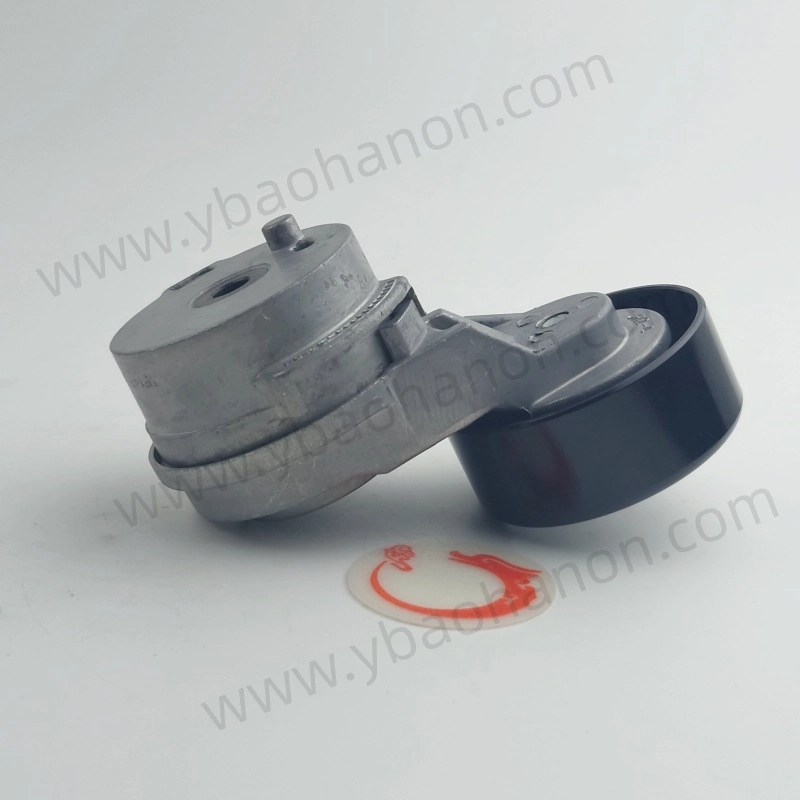

2026 Auto Maintenance Trends: Why Preventive Pulley Replacement is Crucial
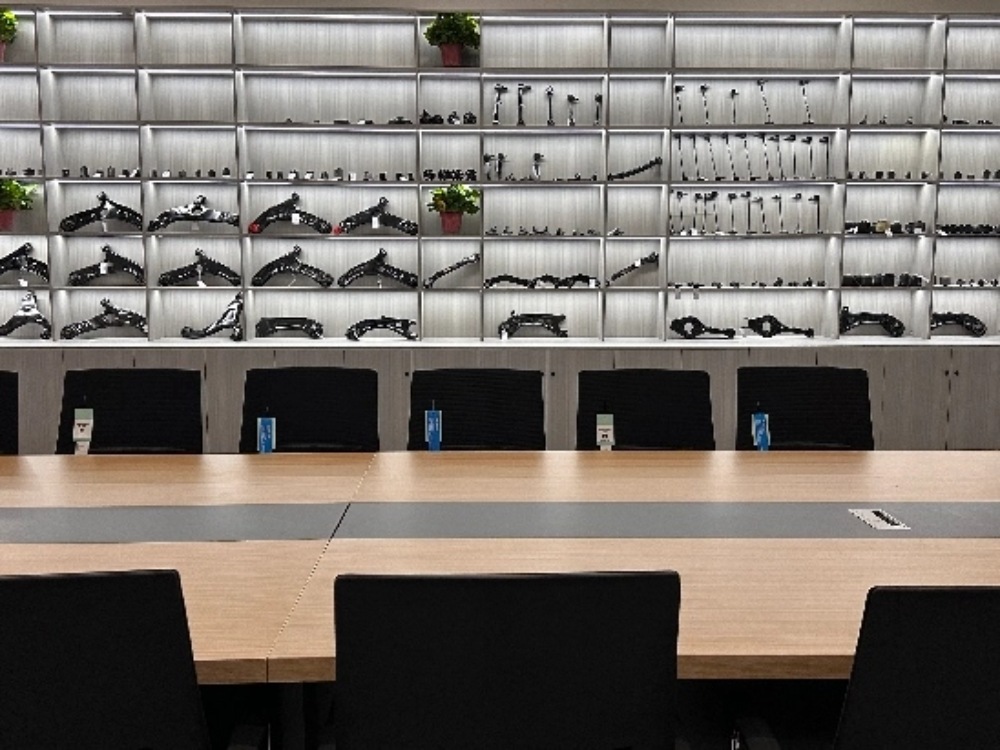
In 2026, Preventive Pulley Replacement is becoming a more practical maintenance choice for workshops, distributors, and overseas parts buyers. Vehicles are staying on the road longer, which raises demand for repair parts that protect daily reliability instead of waiting for a breakdown. STARIA fits this shift well. The company focuses on Hyundai and Kia aftermarket supply through a wider brand matrix that covers chassis parts, engine repair parts, wear parts, air-conditioning components, and related service categories.
STARIA develops a supply network built around Beijing, Hebei, Anhui, and Qingdao, supported by warehousing, manufacturing, and cross-border business functions. The company holds an annual revenue above USD 30 million, more than 40,000 square meters of warehousing, four strategic nodes, and over 200 employees. For buyers, that kind of structure matters because pulley-related service parts need stable sourcing, clean part-number matching, and repeat order support rather than one-time price competition.
2026 Maintenance Trends Are Moving Toward Preventive Replacement
The aftermarket is moving toward earlier inspection and planned replacement. You can see why from the age of the vehicle fleet and the size of the repair economy. Older vehicles need more accessory-drive service, and small belt-drive parts now receive more attention during routine repairs.
| Market Indicator | Published Figure | Practical Meaning for You |
|---|---|---|
| Average Age of U.S. Vehicles in 2025 | 12.8 Years | Older fleets create more demand for maintenance parts. |
| U.S. Light Vehicles in Operation in 2025 | 289 Million | A larger in-service fleet supports steady repair demand. |
| U.S. Light-Duty Aftermarket Sales in 2024 | USD 413.7 Billion | Repair and maintenance remain a major business segment. |
| Expected Light-Duty Aftermarket Growth in 2025 | 5.1% | Planned replacement categories continue to gain value. |
| Total U.S. Aftermarket Forecast for 2028 | USD 664.3 Billion | Long-term parts demand remains strong. |
These figures show why workshops and distributors are putting more focus on service parts that prevent chain-reaction failures. A pulley or tensioner may look like a minor item, but the labor cost and repeat repair cost around it can be much larger.
Aging Vehicle Fleets and Longer Service Cycles
As vehicles remain in use for more years, you deal with parts that have already passed through repeated heat cycles, vibration, stop-and-go driving, and seasonal temperature changes. Accessory-drive components sit in a harsh operating zone. A pulley bearing may still spin, but roughness, play, or poor alignment can already be developing.
S&P Global Mobility notes that vehicles in the six- to fourteen-year range create stronger service demand for repair shops and parts suppliers. That is the age band where belts, tensioners, pulleys, alternator drive parts, and related front-end components begin to matter more often in day-to-day maintenance planning.
Planned Maintenance Instead of Reactive Repairs
Reactive repair waits for noise, slippage, or failure. Planned maintenance catches wear before it spreads. In the belt-drive system, that difference is important. A worn pulley bearing can damage belt tracking. A weak tensioner can let the belt slip. A misaligned pulley can turn a simple replacement job into a repeat complaint.
The small details are easy to miss. A brief squeak at a cold start may disappear after ten seconds, but that does not mean the system is healthy. It may be the first visible sign that a bearing, tension arm, or belt path needs closer inspection. Gates and Dayco both connect pulley wear and tensioner wear with noise, misalignment, and added belt damage.
Belt-Drive Reliability as a Rising Aftermarket Concern
Accessory-drive reliability now matters more because drivers expect older vehicles to remain dependable. You are not only selling a replacement part. You are helping prevent downtime, tow-ins, and repeat shop visits. That changes how buyers look at pulley and tensioner products.
STARIA’s product direction fits this reality. Its broader Hyundai and Kia parts portfolio covers maintenance categories that work together in the repair market, from engine-related items to sensors, filters, and service parts. This helps you source within a more complete platform instead of piecing together unrelated suppliers.
Why Preventive Pulley Replacement Matters Before Failure
A pulley rarely fails without giving signals. The issue is that those signals are often treated as minor. In practice, early pulley wear can affect belt position, bearing rotation, and accessory load. If you wait too long, the repair can grow wider.
Belt Tracking Stability
A pulley with wear or misalignment can cause the belt to move away from its correct running path. Gates describes abnormal belt tracking on the tensioner pulley as a sign of tensioner assembly misalignment. Once the belt drifts, it can wear unevenly at the ribs or edges. That wear then shortens belt life and raises the chance of a second repair.
For a workshop, this is exactly where a quick visual check saves time later. When the belt does not sit cleanly in line, replacing only the belt may not solve the real problem.
Bearing Wear and Rotational Roughness
Gates advises checking the pulley by hand with the engine off and the belt removed. Noise, resistance, or rough rotation can point to pulley bearing wear. This is not a cosmetic issue. It is a working failure path. The pulley may still move, but it is no longer moving correctly.
Dayco adds another practical check: a pulley with side play, misalignment, visible physical damage, or too much free spinning may be close to failure. These are simple inspection steps, but they give a much better view of real component health than belt appearance alone.
Accessory Drive Load Control
The pulley and tensioner help keep steady belt tension across changing engine speed. If they lose control of the belt path, accessory-drive performance becomes less stable. Dayco notes that worn parts can cause alternator slippage, misalignment, belt noise, and belt wear.
This is one reason Preventive Pulley Replacement has moved from a narrow technical point to a wider service habit. It reduces the risk that a small bearing problem later affects the whole drive system.
The Business Value of Preventive Pulley Replacement
The service case is clear, but the commercial case matters too. You want fewer returns, cleaner fitment conversations, better stocking logic, and products that fit practical repair demand. Pulley replacement sits squarely in that discussion.
Lower Repeat Repair Risk
A repair that changes the belt but ignores a worn pulley can come back quickly. Gates recommends replacing the tensioner when the multi-ribbed belt is replaced because the two parts work as a system. Dayco also stresses that belts, pulleys, and tensioners should be assessed together for better results.
From a buyer’s point of view, this reduces the chance of selling a belt into a job that still contains a weak pulley or tensioner. It also supports stronger repair recommendations for service shops.
Better Service Planning for Workshops
A planned pulley inspection can be added to routine belt service with little disruption. The shop already has access to the area. The belt is already under review. That is the best moment to check bearing feel, pulley surface, tracking, and tensioner behavior.
This is where a service routine becomes more professional. You are not waiting for catastrophic failure. You are using repair time well. Preventive Pulley Replacement fits naturally into that workflow because it is tied to an inspection point already present in the job.
Stronger Stocking Logic for Overseas Buyers
For overseas distributors, pulley and tensioner products offer several sourcing advantages. They are tied to real maintenance demand, they support repair kits and related sales, and they often appear in repeat-use fitment conversations. That makes part-number accuracy and supplier stability more important than low unit price alone.
The uploaded sourcing reference highlights two risks in online car-parts purchasing: wrong catalog information and counterfeit products. Those issues become especially troublesome for pulley and tensioner parts because visual similarity does not confirm fitment. You need suppliers who provide clear references and direct support, not vague listings.
STARIA 25281-2B010 TENSIONER ASSY-PULLEY as a Recommended Replacement Option
When you move from service strategy to product choice, the part must be easy to identify, practical to quote, and relevant to the target vehicle group. STARIA’s Hyundai-Kia focus gives its tensioner product a clear role in preventive maintenance sourcing.
Hyundai and Kia Engine-System Positioning
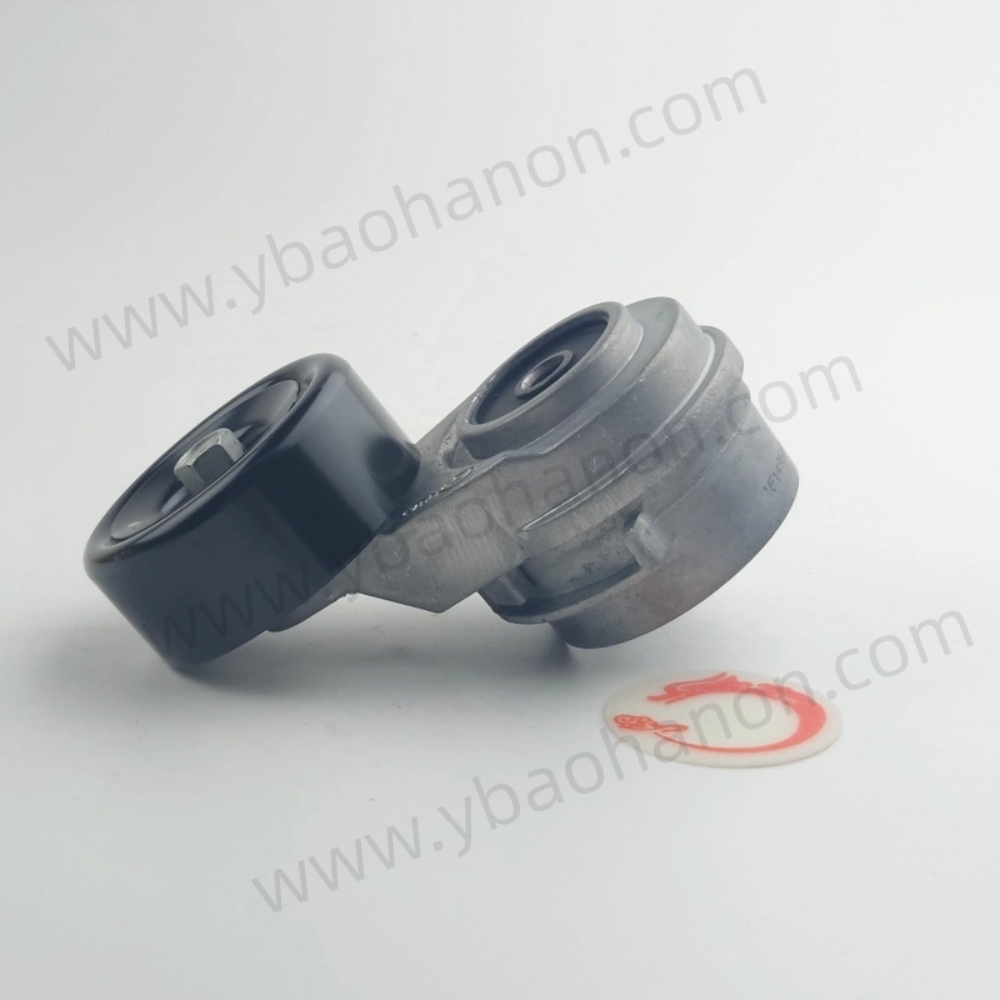
STARIA offers the 25281-2B010 TENSIONER ASSY-PULLEY for Hyundai and Kia engine-system applications. The product page lists the OE number as 25281-2B010 and identifies the type as HYUNDAI KIA MOBIS. That makes the item easier to discuss during quotation, fitment checks, and stock planning.
For buyers working with Korean vehicle applications, a clear product identity is valuable. It lowers the chance of confusion between look-alike tensioner parts.
Clear OE Reference and Packaging Data
The same product page states packaging of 10 pieces per box. That detail matters during export ordering because packaging data affects carton planning, sample preparation, and wholesale order structure. It is a small detail, but it keeps the purchasing conversation clean.
STARIA’s product listing also keeps the part positioned inside the engine-system category rather than presenting it as a generic pulley item. That gives the buyer a more focused view of its aftermarket use.
Fitment-Focused Sourcing Support
Pulley products are a poor place for guesswork. OE number matching, vehicle application, and system context all matter. The wrong part can delay repair, create installation problems, or send a buyer back into a catalog dispute.
That is why STARIA’s product clarity supports Preventive Pulley Replacement better than an anonymous listing. You can connect a maintenance need to a named part, an OE reference, and a supplier with Hyundai-Kia market positioning. For B2B buyers, that makes the item easier to place inside a repeat sourcing program.
How Buyers Can Build a 2026 Pulley Replacement Strategy
A sound replacement strategy is not complicated. It depends on three habits: inspect at the right time, confirm the part before ordering, and work with a supplier that can answer after the quote is issued.
Preventive Pulley Replacement as a Belt-Service Standard
The easiest place to apply this idea is during belt service. Gates states that when you replace the multi-ribbed belt, replacing the tensioner at the same time is recommended. That advice reflects the way the system works. Belt condition, pulley movement, and tensioner performance affect each other.
For repair shops, this creates a cleaner process. For importers, it creates a better product story. For distributors, it supports a more complete service-part lineup.
Part-Number Verification Before Purchase
Before you place an order, check the OE number, target application, category, and carton data. These points sound basic, but basic steps prevent expensive sourcing mistakes. The attached sourcing article makes that risk clear: product catalog errors and misleading online listings can push buyers toward the wrong item.
STARIA’s product page helps here because the 25281-2B010 reference is presented directly with its type, application, and packaging data. This gives you a firmer starting point for technical communication and quotation.
Supplier Service and Quality Follow-Up
A good pulley sourcing plan does not stop when the product ships. You still need service communication, quote follow-up, and support if the buyer has fitment questions. STARIA’s Service & Backup page describes cooperation support, quality commitment, customer communication, and FAQ-based product guidance.
That matters in export trade. Even a straightforward maintenance part can create extra work if the supplier cannot respond clearly after the order starts moving.
Contact STARIA for Preventive Pulley Replacement Service
As vehicle fleets age and repair demand grows, Preventive Pulley Replacement gives you a practical way to reduce repeat work and improve parts planning. The topic is not limited to workshop technicians. It also matters to wholesalers, importers, and automotive parts buyers who need products with clear references and steady supplier communication.
Product Consultation for 25281-2B010 Applications
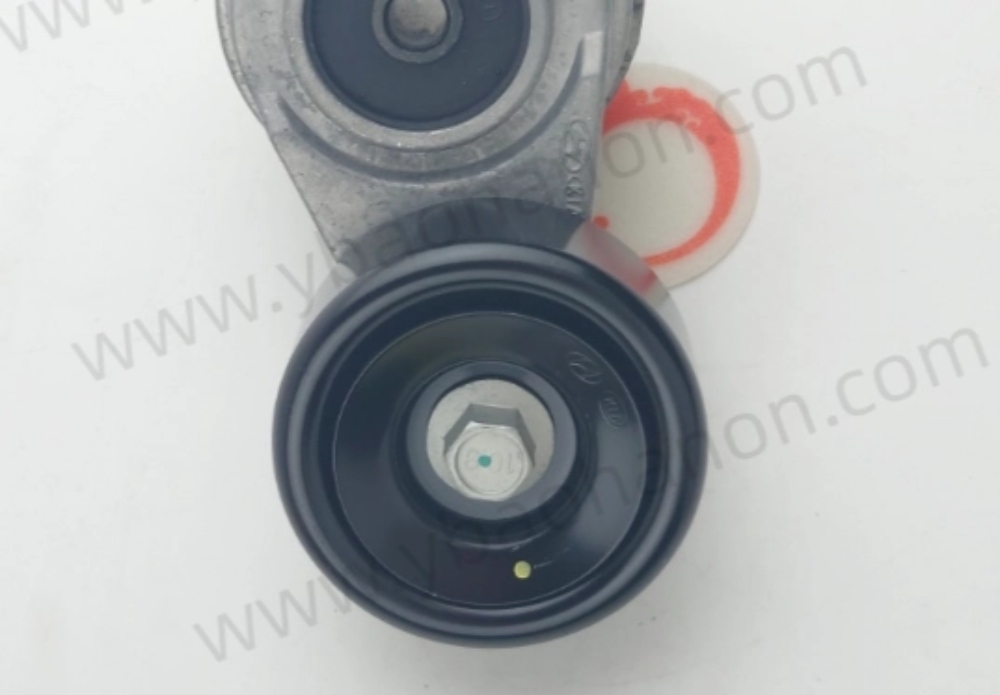
If your business serves Hyundai and Kia maintenance demand, STARIA’s 25281-2B010 product is a focused option to review. It fits the wider move toward earlier service replacement and supports a more complete belt-drive parts conversation.
Service Support for Global Auto Parts Buyers
STARIA’s service positioning is built around parts supply, customer communication, and cooperation support for international buyers. That helps when you need more than a price sheet. You may also need product discussion, sourcing advice, or follow-up after sample review.
Contact STARIA for Quotes and Cooperation
For quotes, service questions, or product cooperation, you can contact STARIA. A clear contact route is especially useful when you want to discuss application details, packaging, recurring orders, or broader Hyundai-Kia parts sourcing.
In 2026, the better repair strategy is not to wait for a pulley to announce its failure loudly. It is to inspect early, replace at the right moment, and work with a supplier that gives you cleaner product matching. That is why Preventive Pulley Replacement deserves a steady place in your maintenance planning.
FAQ
Q: Why is Preventive Pulley Replacement important in 2026?
A: Vehicles are staying in service longer, and belt-drive components face more wear over time. Early pulley and tensioner replacement can reduce repeat repairs, belt damage, and unplanned downtime.
Q: What signs suggest a pulley or tensioner should be checked?
A: Look for belt noise, rough pulley rotation, unusual belt tracking, side play, or visible pulley damage. Gates and Dayco both identify these as meaningful inspection signals.
Q: Why choose STARIA for Hyundai-Kia pulley sourcing?
A: STARIA provides a Hyundai-Kia-focused parts platform, and its 25281-2B010 product page gives a clear OE reference, application, and packaging detail. That makes sourcing discussions more direct for importers, distributors, and service-oriented buyers.