
Where Is the Hyundai Accent Chassis Number? VIN Locations by Model Year
The usual accent chassis number location is easy to start with but not always easy to photograph: look through the lower driver’s-side windshield, then open the driver’s door and check the label area. On some market versions, you may also find a stamped number in the engine bay or body shell. Check more than one place before ordering parts.
STARIA supports Hyundai and Kia buyers with product matching and export supply for repair parts, wear parts, sensors, pumps, and ignition items. When the VIN or chassis number is hard to read, a parts supplier can only help well if you give model year, engine, market version, and clear photos.
Fast Places to Check First
Windshield VIN Plate
Start outside the car, at the lower windshield corner on the driver’s side. Move your phone a little instead of zooming too hard; glare can turn a clean VIN into a guessing game. A quick wipe of the glass helps more than people expect. The common mistake is small but costly: an 8 becomes a B, or a 5 becomes an S, and the parts quote quietly goes wrong.
U.S. rules require a VIN to be placed so it can be read through the glazing from outside the vehicle. The federal VIN placement rule is useful background, even if the Accent you are checking was sold in another market. It explains why the dashboard windshield position became the first place most buyers check.
Driver Door Label
The next stop is the driver’s door opening. Check the door jamb, latch pillar, and nearby label area. Depending on market, the label may show VIN, production date, gross weight data, tire information, or compliance wording. If the dash plate is hidden by tint, dust, or a cracked windshield, the door label may be the photo that saves the order.
For parts buying, a door-label photo is often more useful than a typed VIN because it also hints at production date and market. Send the whole label, not only the 17 characters. A small side note: repair shops often crop too tightly, and then the supplier has to ask again.
Hyundai Accent Chassis Number Location by Model Year
Older Accent Models
For older Accent generations, check the windshield plate and driver’s door area first, then inspect the engine bay, firewall, or body stamping points used in your local market. Older vehicles may have repainted panels, replaced doors, worn labels, or corrosion around stamped areas. If the VIN on one place is unclear, compare it with registration papers before ordering.
The exact accent chassis number location can vary because regional production and market rules differ. For importers, ask for two photos as a habit: the dashboard plate and the door label, or the registration document if the label is gone. It is a small request, but it keeps the supplier from working from one cropped, blurry number.
Newer Accent Models
For newer Accent models, the windshield VIN and door-label locations are usually the first checks. Some markets also show VIN data in the engine compartment or electronic service records. If the car has had accident repair, compare all visible numbers carefully. A replaced door or dashboard can confuse the trail, while the legal documents may still be correct.
|
Accent Model Period |
First Check |
Second Check |
|
1990s to early 2000s vehicles |
Windshield plate if visible |
Door label, firewall, or engine-bay stamping |
|
Mid-2000s to early 2010s vehicles |
Windshield plate |
Driver door jamb label and registration |
|
Late 2010s Accent vehicles |
Windshield plate and door label |
Service records or market-specific body stamping |
|
Any repaired or imported vehicle |
Compare all visible numbers |
Use documents before ordering export parts |
This table is a practical checking order, not a substitute for the owner’s manual or local registration rules. The goal is to reduce mistakes before parts are matched.
Why the VIN Matters for Parts Matching
Model Year and Market Codes
The VIN is not a magic parts catalog. It will not tell every tiny bracket or hose by itself. What it does give you is a cleaner starting point: model year, plant, body information, restraint details, and market-related clues when the decoder has the data. For an Accent sold across regions, that first filter can save a lot of back-and-forth.
For other markets, use local documents and the supplier’s catalog logic. The key is the same: do not buy fuel, sensor, ignition, or chassis parts from a blurry photo alone.
Wrong-Part Risk
A wrong chassis number or mistyped VIN can lead to the wrong fuel pump, filter, sensor, body part, or chassis item. In export orders, that error may travel across borders before anyone notices. The return cost can be larger than the part, and the buyer may lose a service slot while the correct part is being sourced.
This is why accent chassis number location is not only a search question. It is a purchasing control step. The cleaner your vehicle identity data, the easier it is for STARIA to narrow the right product path.
Fuel Pump Fitment Example for Accent Orders
OE Number Discipline
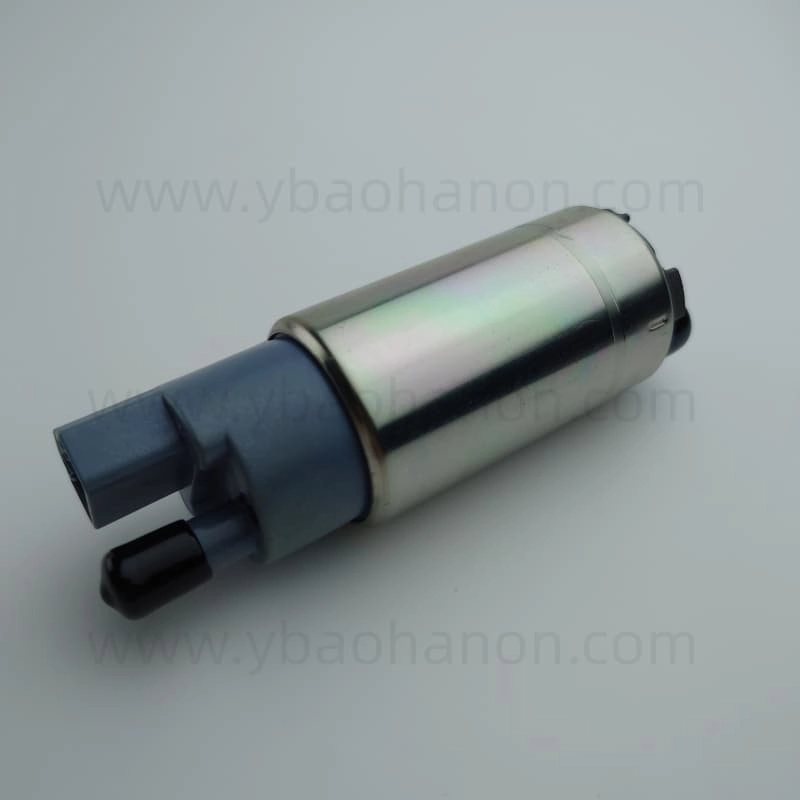
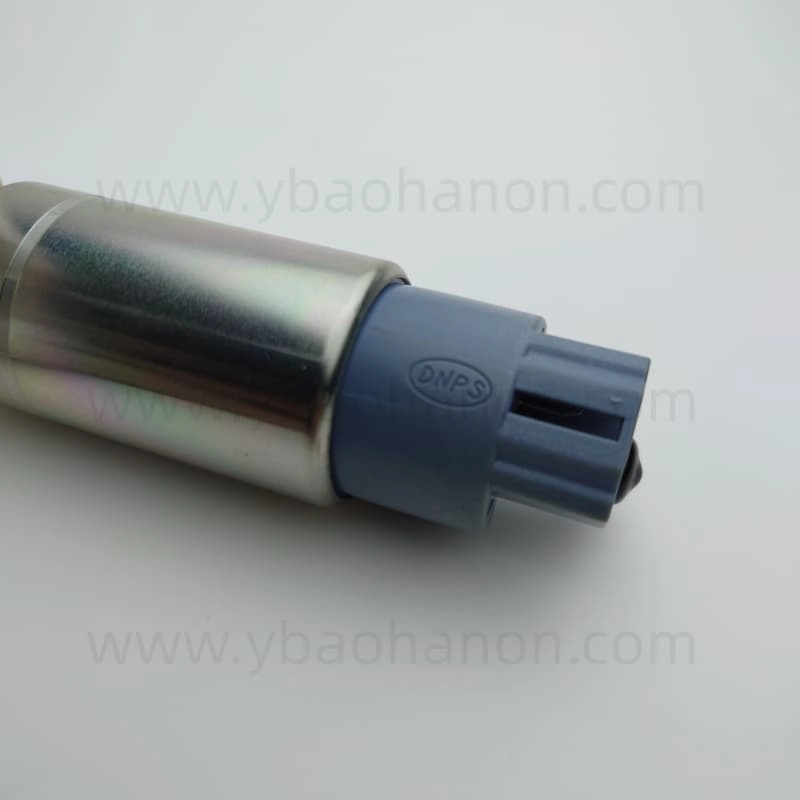
For fuel-system orders, the 31111-1R500 PUMP-FUEL is a good example of why identity checks come before price checks. A fuel pump may look similar across several Hyundai applications, but tank design, connector, flow requirements, and module layout can change by version.
Before requesting this pump, give the supplier the VIN or chassis number photo, model year, engine, body style, and target market. If the Accent has been imported used, add any local registration detail you have. This small extra step protects both the buyer and the seller.
STARIA Product Data
|
Product Data |
Listed Detail |
|
Product |
31111-1R500 PUMP-FUEL |
|
OE Number |
31111-1R500 |
|
Category |
Fuel pump |
|
Relevant Buying Step |
Confirm chassis number, model year, engine, and market version |
|
Main Risk |
Wrong pump selection from incomplete vehicle identity data |
Common Mistakes When Reading the Number
Confused Characters
The most common errors are simple: 0 and O, 1 and I, 5 and S, 8 and B. Dirt, glare, old labels, and phone compression make them worse. Ask for one close photo and one wider photo showing the label position. The wider photo helps confirm that the number came from the vehicle, not from a copied listing.
Repaired Vehicle Panels
Door replacements, windshield replacements, front-end repairs, and repainting can hide or confuse the visible number. If the numbers do not match, stop the parts order until documents are checked. It is better to delay one quote than ship a fuel pump or sensor that cannot fit the car in front of the mechanic.
Ask STARIA to Check Before You Order
Practical Fitment Package
When the accent chassis number location is unclear, send STARIA a simple fitment package: dashboard VIN photo, door-label photo, model year, engine details, target product, and quantity. You can review STARIA’s parts categories before choosing whether the request belongs under fuel system, sensor, ignition, chassis, or repair parts.
Service and Contact
For 31111-1R500 or another Accent-related part, the final judgment is plain: read the number twice, confirm the vehicle once, then quote the product. Use STARIA’s service path to route the order when the VIN photos and product request are ready.
FAQ
Is the Hyundai Accent chassis number the same as the VIN?
In most buying conversations, yes. Buyers often say chassis number while suppliers ask for VIN. Use the visible 17-character number and send photos when possible.
What is the safest accent chassis number location to photograph first?
Start with the windshield VIN plate, then photograph the driver’s door label. If the car is old or repaired, add registration documents or engine-bay/body stamping photos.
Why does STARIA need the chassis number for a fuel pump order?
The chassis number helps confirm model year, market version, and related fitment details. For a part like 31111-1R500, that reduces wrong-pump risk before the order leaves the supplier.