
Kia Air Conditioner Compressor Failure Signs: How Importers Can Avoid Wrong Replacement Units During Peak Demand
Kia air conditioner compressor failure signs can include weak cooling, unusual noise, a clutch that does not engage where fitted, or a system that will not hold pressure. Those signs should not send you straight to a compressor order. A leak, incorrect refrigerant charge, electrical fault, blocked condenser, fan issue, or contaminated system can produce a similar complaint.
Why Compressor Symptoms Need System-Level Checks
Cooling and Noise Clues
Poor cabin cooling can be a compressor clue, but it can also be a refrigerant, airflow, control, or leak issue. Noise may come from the compressor, yet a belt-drive problem, mounting issue, or internal damage elsewhere can be mistaken for the unit. A parts buyer should ask what the technician measured or observed before quoting a replacement compressor.
The useful evidence is specific: vehicle model, year, engine, market, refrigerant system details, fault codes where available, pressure findings from qualified service work, and photos of the removed unit label. The phrase ‘air conditioning not cold’ is a customer concern, not a product specification. The part number is what turns that concern into a sourcing request.
Refrigerant-Handling Boundaries
Compressor replacement is not just a mechanical swap. EPA rules for paid motor-vehicle air-conditioning service cover technician certification, approved refrigerant-handling equipment, recovery, and restrictions on venting. Review EPA’s MVAC servicing requirements before presenting any compressor job as a simple refill-and-replace task.
These requirements do not describe STARIA products. They explain why an importer should not promise that a compressor alone will restore cooling. The workshop may need to recover refrigerant, find the original failure, inspect related parts, and recharge the system to the vehicle maker’s specification. That work belongs to trained service personnel.
What Separates a Correct Compressor Order From a Wrong One
OE Number and Mounting Details
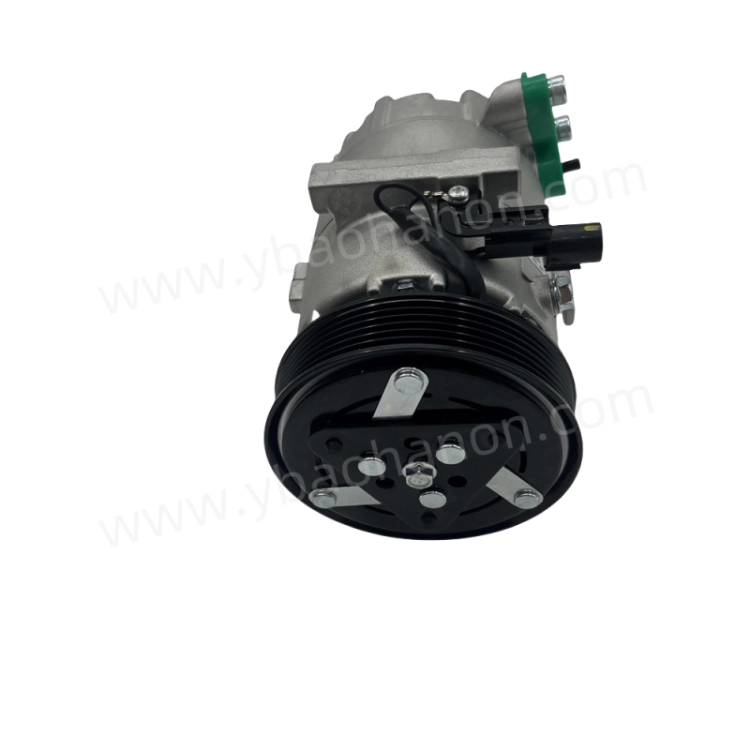
A compressor can differ by OE number, refrigerant configuration, pulley or clutch arrangement, mounting shape, electrical connection, oil specification, and vehicle application. Some differences are obvious on a bench; others are not. Do not rely on a picture that looks close. Ask for the old-unit label, the vehicle details, and the exact number required by the application.
When buyers are ordering for export, market differences matter. Similar model names can use different systems across regions or production years. A clean order file should state the OE number first, then the vehicle details that support it. This keeps the quote, packing list, and warehouse label connected to the same technical request.
Root-Cause Questions
Before a replacement is approved, ask why the existing compressor failed. If the system suffered a leak, contamination, a seized component, incorrect refrigerant, or a related electrical fault, the new unit may face the same condition after installation. A supplier cannot diagnose the vehicle remotely, but an importer can avoid selling a compressor into an unresolved system failure.
This is where a short pre-sale checklist pays off. Request the fault description, removed-unit photos, vehicle data, part number, service-shop notes, and target quantity. If any of these are missing on a high-value order, hold the quotation as an application check instead of treating it as a universal replacement sale.
97701-3X000 Product Data and Purchase Controls
Listed Compressor Information
STARIA lists 97701-3X000 COMPRESSOR ASSY with OE number 97701-3X000, Hyundai Kia Mobis type, air-conditioning-system application, and one piece per box. That one-piece packing is logical for a larger, more sensitive component, but it also means every first order should carry a clear application record.
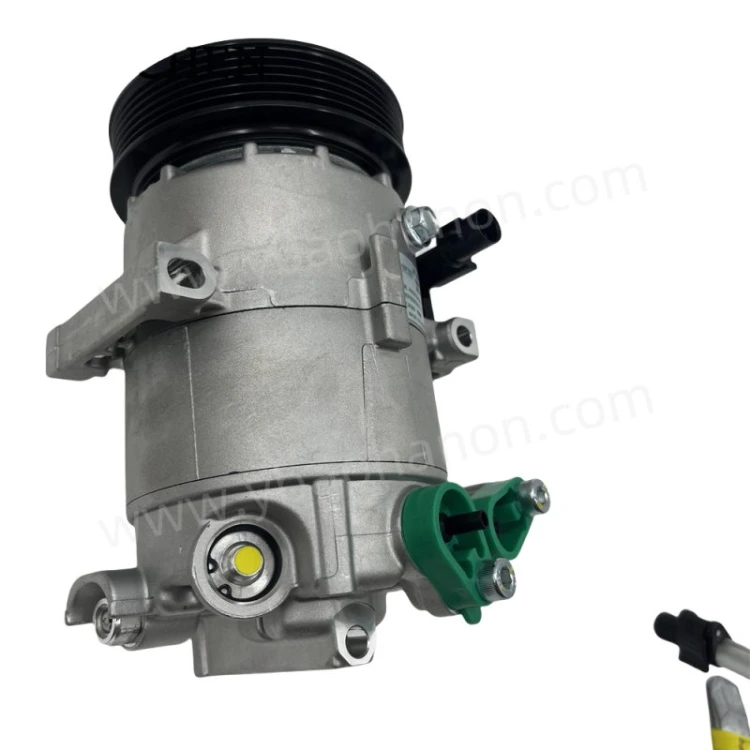
Treat the listed data as a product identity record. It tells the buyer which compressor item is being discussed and how it is packed. It does not provide a blanket fitment statement, refrigerant charge, oil amount, test result, or performance promise. Those details must come from the correct vehicle service information and the workshop’s process.
Product-Control Table
|
STARIA Product Detail |
Listed Information |
Buyer Check |
|
Product |
97701-3X000 COMPRESSOR ASSY |
Use full product name |
|
OE number |
97701-3X000 |
Match vehicle reference |
|
Type |
HYUNDAI KIA MOBIS |
Classify brand family |
|
Application |
Air conditioning system |
Plan HVAC stock |
|
Packaging |
One piece per box |
Protect during transport |
One piece per box also changes the shipping conversation. Ask how the unit will be protected, whether the connection points are capped, how cartons will be stacked, and how the receiving team will identify the number without opening every box. High-value air-conditioning stock needs a traceable route from supplier to workshop.
When Compressor Stock Fits the Market
Seasonal Demand
Kia air conditioner compressor failure signs often create urgent demand when temperatures rise, but summer urgency should not produce careless buying. Stock works best when you have proven demand for a confirmed OE number, trained workshops that can service the system correctly, and a plan for checking labels before the units are sent out.
A distributor can use summer demand to test a focused compressor line, especially where a known Kia/Hyundai vehicle population is common. Start with applications your sales team can identify. Keep the first purchase modest when vehicle coverage or workshop demand is uncertain. A compressor is not the kind of part you want sitting unverified for several seasons.
Unsuitable Assumptions
|
Assumption |
Why It Is Risky |
Better Next Step |
|
No cooling means compressor |
Leaks and controls can cause the symptom |
Confirm system diagnosis |
|
Same vehicle name |
Regional systems can differ |
Check OE number and market |
|
One photo is enough |
Mounting and connection details matter |
Request label and unit photos |
|
Recharge fixes the fault |
Leak or internal cause may remain |
Follow qualified service process |
The customer may be in a hurry, especially in hot weather. That does not change the purchasing logic. A correct compressor order needs the same core evidence in July as it does in January. Fast response is valuable; a rushed application match is not.
Receiving and After-Sales Preparation
Transport Protection
Check the outer carton, product label, protective caps, visible fittings, and mounting points when the compressor arrives. Record any impact or moisture damage before the unit is put into stock. Keep the package dry and avoid stacking practices that put excessive weight on the carton. A damaged fitting can create a dispute even though the OE number is correct.
For repeat orders, retain an approved photo set showing the product label, carton, and any protective features. This gives your warehouse a reference when a later delivery arrives. It also helps you describe the issue accurately if an inner package looks different from the earlier approved batch.
Service-Side Information
A return request should include the part number, vehicle data, installation date, workshop findings, and photos of the returned unit and packaging. Ask whether the system was inspected for the cause of failure and whether refrigerant work was handled through the appropriate service process. Those questions are not a refusal of responsibility; they help separate a product issue from a system condition.
STARIA can support product, packing, and order discussions. The importer should keep the repair context that explains why the compressor was selected. That record makes later service conversations more productive and keeps the next order from repeating the same unresolved diagnosis.
Plan Peak-Season HVAC Orders With STARIA
Compressor Enquiry Details
When Kia air conditioner compressor failure signs have been evaluated and the request points to 97701-3X000, send STARIA the OE number, vehicle model, year, market, engine if relevant, old-unit label photo, quantity, and packing requirements. This gives you a better basis for a controlled HVAC order than a generic request for a Kia compressor.
Service and Contact
STARIA carries Hyundai/Kia parts across air-conditioning, cooling, engine, chassis, and repair categories. For importers, that matters because an air-conditioning order has two layers: the exact compressor unit must match the vehicle, and the workshop must still follow the correct refrigerant-handling process after the unit arrives.
Use STARIA’s air-conditioning sourcing route to review related product categories, then send confirmed compressor requirements through the STARIA contact channel. The final decision is simple: source the compressor when vehicle matching and service evidence support it; stop when the system fault has not been separated from a leak, electrical issue, or incorrect refrigerant condition.
FAQ
Do Kia air conditioner compressor failure signs prove that the compressor is bad?
No. Weak cooling, noise, and pressure complaints can have several causes. A qualified system diagnosis should support the compressor order.
What should an importer confirm for 97701-3X000?
Confirm the OE number, vehicle configuration, market, old-unit label, mounting and connection details, packaging needs, and the workshop’s reason for replacement.
Why does refrigerant handling matter when ordering a compressor?
Opening an air-conditioning system involves service procedures beyond the part itself. The workshop must manage refrigerant and related repairs correctly so the new unit is not installed into the same unresolved fault.