
How to Spot a Fake Hyundai OEM Oil Filter Before You Buy
 A Hyundai OEM oil filter can look convincing in a small product photo, yet the label, part number, seal, or internal build may tell a different story. Before you buy, check whether the seller can match the filter to the vehicle identification number, engine code, model year, and sales market. Packaging alone is not proof.
STARIA supplies Hyundai and Kia parts for overseas distributors, repair networks, and other trade buyers. Its catalog covers filters, engine parts, chassis parts, sensors, braking parts, and related repair items. The company also provides fitment support and product sourcing services, which matter when similar-looking filters belong to completely different vehicle systems.
Why Is a Fake Oil Filter Easy to Misidentify?
Counterfeit parts are rarely advertised as counterfeit. They usually sit beside genuine, OE-equivalent, and ordinary aftermarket products under similar search terms. Your first task is to separate product identity from sales language.
OEM, OE-Equivalent, and Counterfeit Labels
A Hyundai OEM oil filter may be genuine, but phrases such as “OEM quality,” “OEM style,” and “OEM replacement” do not automatically describe a genuine Hyundai part. They are often used for aftermarket products made to replace an original item. A clearly identified aftermarket filter is not fake. The problem starts when a seller copies protected branding, packaging, or part identity and presents the item as genuine.
Ask what is actually being sold. The answer should name the manufacturer, brand status, OE number, product type, and fitment basis. A seller who avoids those details but repeats “same as original” has not given you enough evidence. Hyundai owner guidance also warns that damage caused by imitation or counterfeit parts may fall outside warranty coverage.
Misleading Marketplace Listings
Marketplace catalogs often reuse titles, stock images, and fitment records. One listing may cover several engines even though the thread, sealing diameter, valve setting, or filter design changes between them. A photo may show a spin-on filter while the vehicle uses a cartridge element.
The word “filter” is another common trap. Engine oil filters, fuel filters, fuel-pump filters, cabin filters, and transmission filters perform different jobs. A warehouse picker can see the expected brand and still send the wrong category. For a distributor, one bad catalog field can create a string of returns before anyone finds the source.
What Packaging Details Can Expose a Fake Oil Filter?
Packaging is the fastest place to begin, but it cannot settle the matter by itself. Genuine packaging may vary by market and production period, while counterfeit packaging can be copied with surprising care.
Part Number and Label Accuracy
When a Hyundai OEM oil filter arrives, compare the box label with the marking on the part. Check every digit, hyphen, and suffix. Look for a consistent product description, barcode, batch reference, and the security features used in that market.
Hyundai Mobis India advises buyers to check the MRP label and its security features. Its guidance also shows differences in logo color, “Genuine Parts” orientation, and line spacing between genuine and counterfeit examples. Those details are useful, but they are market-specific, so confirm the current package standard for the region where the part is sold.
|
Packaging Check |
What to Review |
Why It Matters |
|
Part number |
Exact digits, hyphens, suffixes, and box-to-part match |
One changed character may point to another filter |
|
Product name |
Clear wording such as engine oil filter, fuel filter, or transmission filter |
“Filter” alone does not identify the system |
|
Security label |
Current features for the target market |
Missing or outdated labels need further checking |
|
Logo and print |
Sharp color, spacing, alignment, and clean edges |
Blurred or uneven print often appears on copied boxes |
|
Batch traceability |
Batch, date, supplier, or scannable record where used |
Traceability gives the seller something specific to verify |
Printing, Seals, and Packaging Quality
Poor cartons may have weak glue, double-applied labels, soft edges, or ink that rubs off easily. A sealed box that has been opened and closed again deserves an explanation. So does a clean front panel with no batch information anywhere else.
Still, a neat box is not a certificate. Some fake parts are packed well, while genuine cartons may be scuffed during export shipping. Treat packaging as one layer of evidence. The part number, supplier record, physical build, and vehicle data must agree. When they do not, stop the order before installation.
Which Physical Features Should You Inspect Before Installation?
After the package passes a first check, inspect the filter without fitting it. The aim is to catch obvious faults before they reach an engine or a customer.
Housing, Threads, and Gasket Finish
For a spin-on oil filter, check the shell for dents, thin spots, poor paint coverage, and uneven seams. The mounting plate should sit square. Threads should be clean, centered, and free from burrs. The gasket should have an even cross-section and remain seated in its groove.
Small defects matter. Rough threads may damage the mounting stud, while an uneven gasket can leak after the engine heats up. On cartridge filters, review the end caps, molded frame, O-rings, and the shape of the media pack. Weight can help when you have a verified sample from the same part number, but it is not proof because design revisions may change materials.
Filter Media and Valve Construction
Important engine-filter components are often hidden. Pleat spacing, media area, adhesive coverage, end-cap attachment, anti-drainback valve material, and bypass-valve calibration can affect flow and filtration. Full-flow oil filters may contain a bypass valve that permits oil flow when restriction reaches a set level, such as during cold starts or when the media becomes heavily loaded.
For wholesale orders, request cutaway photos, material details, pressure-test records, and a production sample. Broad claims such as “high efficiency” should come with a test method or product specification. Keep the product category in mind as well. A fuel-pump filter does not share the same internal design as a spin-on engine filter, so it should not be judged by the same checklist.
How Can You Verify a Hyundai OEM Oil Filter Before Purchase?
The strongest check happens before shipment. Correct fitment links the part number to a specific vehicle configuration rather than a broad model name.
VIN, Model, and Engine Code Matching
Start with the VIN, model year, engine code, displacement, transmission where relevant, and destination market. The same model name may use different engines in Europe, the Middle East, North America, or Asia. A mid-cycle update can also change the filter or replace the original part number.
Ask whether the number is current, superseded, or market-specific. Then compare the answer with an authorized catalog or another trusted source. A Hyundai OEM oil filter listed for “all Sonata models” without engine or year limits deserves closer review.
For trade purchases, record the confirmed OE number, vehicle range, engine codes, package version, and supplier batch. That small file becomes useful when a customer reports a mismatch several months after delivery.
Product-Type Confirmation with 31112-3R000
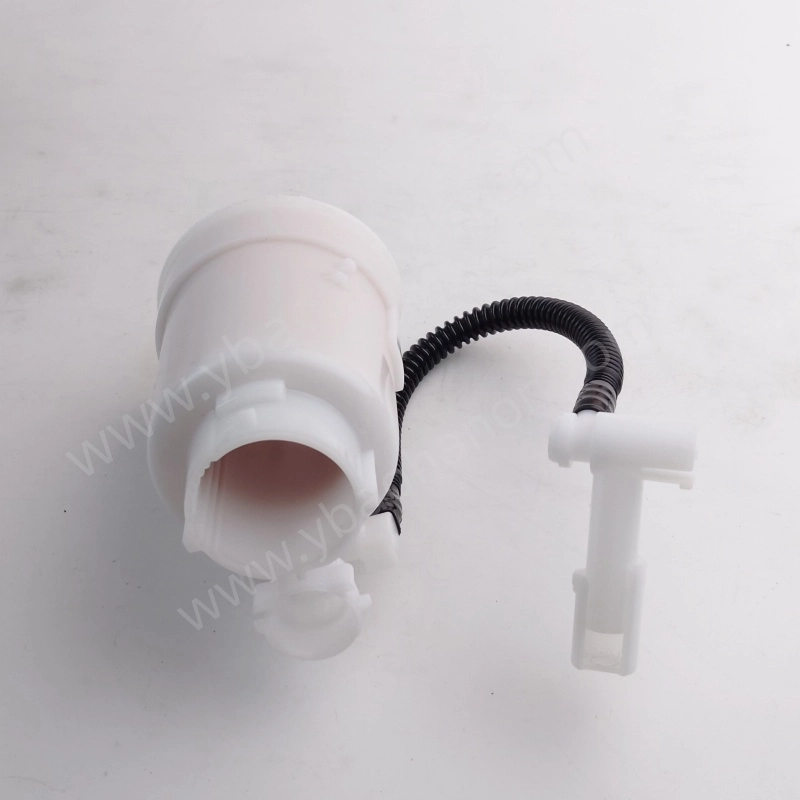
The 31112-3R000 FILTER shows why the full product name matters. STARIA’s current listing identifies it as “31112-3R000 FILTER-FUEL PUMP,” gives the OE number as 31112-3R000, lists the type as “HYUNDAI KIA MOBIS,” and states packaging of 50 pieces per box. The page describes a fuel filter, not an engine oil filter.
|
Published Field |
STARIA Product-Page Entry |
Buying Meaning |
|
OE number |
31112-3R000 |
Search and confirm the complete number |
|
Product name |
FILTER-FUEL PUMP |
This is not an engine oil filter |
|
Type |
HYUNDAI KIA MOBIS |
Match the claim with quotation and order records |
|
Application |
Filters |
The broad category does not replace the full name |
|
Packaging |
50 pieces per box |
Useful for carton and quantity planning |
A listing that calls 31112-3R000 a Hyundai OEM oil filter is misclassified. That does not prove the physical item is counterfeit, but it is enough to pause the purchase. Ask the seller to confirm the system, installation position, vehicle fitment, and source of the catalog data.
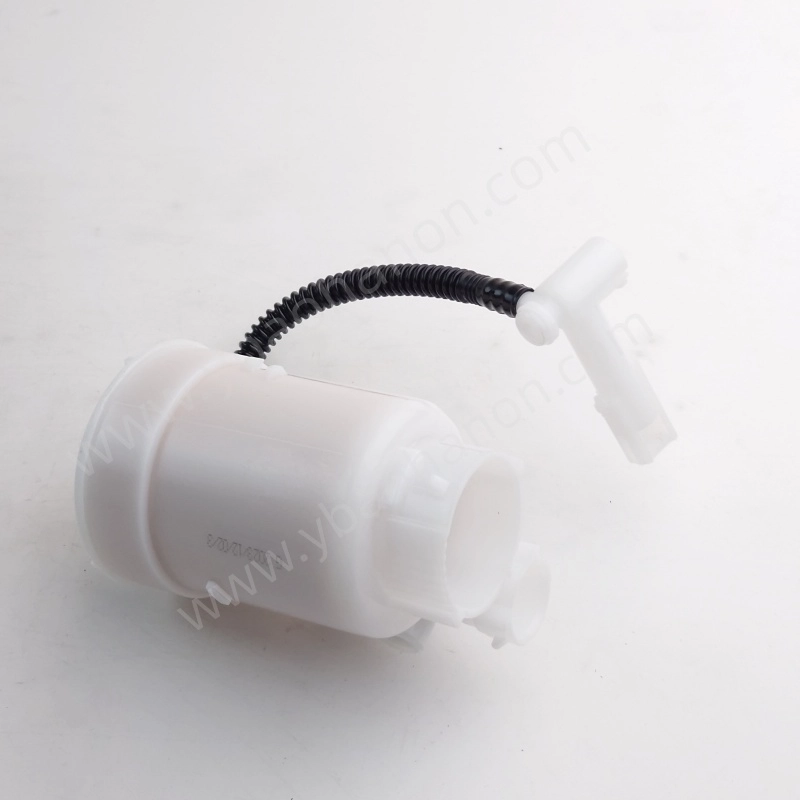
For the correct application, this STARIA product is relevant to buyers sourcing matching Hyundai and Kia fuel-system service parts. Send the VIN and current part number before ordering, especially when several trims share one model name.
What Should You Check Before Buying from an Online Supplier?
A filter can look right and still come from a weak supply chain. Supplier checks matter most when you buy mixed part numbers, private-label stock, or full cartons for resale.
Supplier Credentials and Product Traceability
Check the legal company name, business address, company email, invoice details, and return process. Ask how the supplier traces batches and handles a part-number dispute. Clear answers matter more than a polished storefront.
STARIA’s company background states that it specializes in Hyundai and Kia automotive parts. Its history records establishment in 2010, Hyundai and Kia authorized-dealer status in 2013, Mobis distributorship in 2015, and the creation of an international trade division in 2022. These dates give buyers details that can be checked against quotations and company records.
You should also ask whether “OEM,” “genuine,” “OE-equivalent,” and “aftermarket” are used consistently across the quotation, invoice, package, and product page. For a Hyundai OEM oil filter order, the contract should identify the exact brand status and part number, not only the vehicle model.
Samples, Warranty, and After-Sales Support
For a new supplier or a large order, request a sample from the intended production batch when possible. Keep photos of the box, label, sealing surface, and part markings. For mixed shipments, request a packing list arranged by OE number and carton.
Warranty language should be practical. Ask what evidence is needed for a claim, who pays freight, how wrong fitment is handled, and whether replacement applies to one item or a full affected batch.
STARIA’s service and backup resources cover parts supply, customized service, quality control, and inquiry support. Use them before ordering to confirm product type, sample terms, packaging, and shipment documents.
Why Choose STARIA for Reliable Hyundai and Kia Filter Sourcing?
The final buying decision should come from matched data, clear product identity, and responsive service. A low price does not make up for a filter that belongs to another system or another engine.
Hyundai and Kia Parts Sourcing
STARIA supplies filters, engine components, chassis parts, braking parts, sensors, ignition parts, cooling parts, and air-conditioning components for Hyundai and Kia applications. Its wider catalog can help when several service categories must travel in one shipment, but each line item still needs its own fitment check. The company’s product matrix also lists filtration, engine, chassis, and general repair categories.
The 31112-3R000 product shows the value of full naming. It is recommended for buyers who need the matching fuel-pump filter application, not as a substitute for an engine oil filter. For an engine-filter inquiry, provide the VIN, model year, engine code, destination market, present OE number, required quantity, and packaging request.
A Hyundai OEM oil filter should be checked by more than a logo. The part number, product name, package, physical construction, vehicle data, and supplier documents should agree. When one item breaks that chain, ask for proof before money or stock moves.
Service Support and Direct Contact
Good service starts before the order. It includes VIN checking, product-category confirmation, sample review, packing-list control, and a clear response when a part number changes. It continues after delivery through claim handling and replacement terms.
To discuss a filter order, contact STARIA with the vehicle and purchasing details. A useful inquiry includes the VIN or full application, OE number, quantity, target market, preferred package, delivery location, and whether genuine or OE-equivalent supply is required. That information gives the sales team a sound basis for checking the right part.
FAQ
Q: How Can You Tell Whether a Hyundai OEM Oil Filter Is Fake?
A: Check the exact part number, current security label for your market, box-to-part markings, supplier records, physical finish, and confirmed fitment. No single clue proves authenticity. Several matching checks provide a much stronger answer.
Q: Is Every Aftermarket Hyundai Oil Filter Counterfeit?
A: No. A clearly identified aftermarket filter can be a legitimate replacement. It becomes a counterfeit concern when a seller copies protected branding or presents a non-genuine part as genuine. Ask for the brand status in writing.
Q: Is 31112-3R000 an Engine Oil Filter?
A: No. STARIA lists 31112-3R000 as a FILTER-FUEL PUMP. Confirm the VIN and application before ordering. For further fitment help, use STARIA’s service and contact channels.