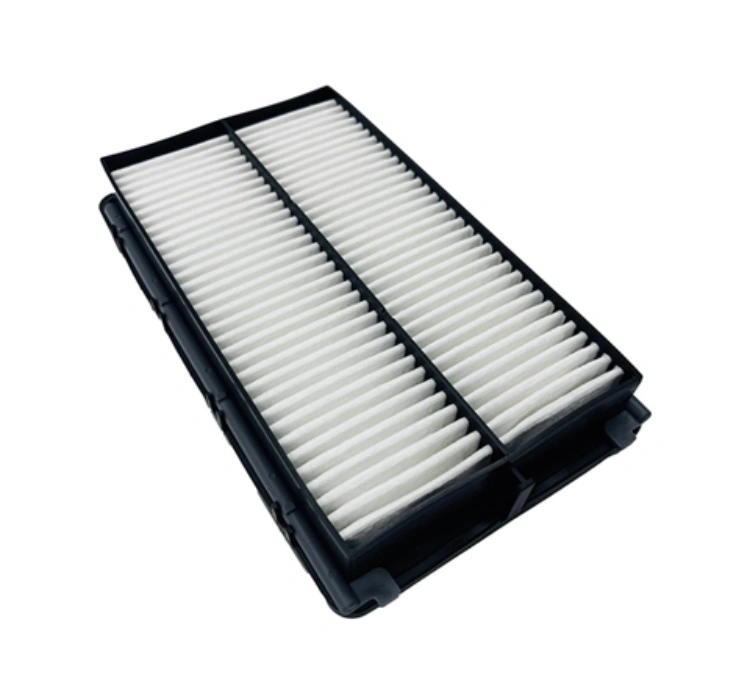

How Often Should You Change an Oil Filter? Mileage, Warning Signs, and Tips
As part of the full engine service, the oil filter should be changed with the new engine oil and be specified by the vehicle manufacturer’s service schedule, and/or be the correct oil for the particular engine. While the calendar is a guide, oil filters should be changed earlier than specified where oil is frequently diluted with fuel; short journeys are undertaken; driving is conducted on very dusty roads; the vehicle is frequently carrying heavily loaded loads; long periods are spent idle; and the vehicle has previously been subject to delayed service work.
The proper interval is determined by maintenance, and not by a number that is placed on a filter. If purchasing filters for a workshop or for a distributor, one would first select a filter for a specific engine, and then order sufficient stock to fulfill the service schedule of the vehicles that one actually services.
Why Oil Filter Change Timing Matters
As the oil filter loads up with contaminants, the system must deal with these in the filter media and internal valve design of the filter. Engine oil lubricates and also carries heat to be dissipated by engine parts that move.
Filtration and Oil Flow Work Together
Even if the wrong filter fits into the housing, it can have the wrong seal, thread, height or even the wrong valve inside. Also, a filter that is too restrictive for the application can change the oil flow in the system. The filter part reference is as important as the outside diameter.
When you order, provide the engine reference, old filter number, vehicle information, and oil service details. A catalog match based only on a photo or a broad model name is not enough for repeat purchasing.
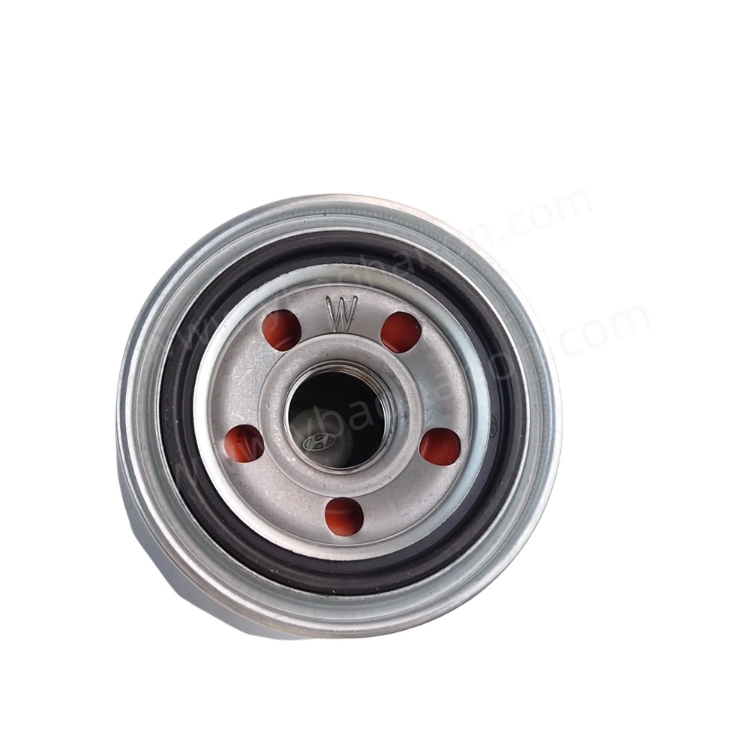
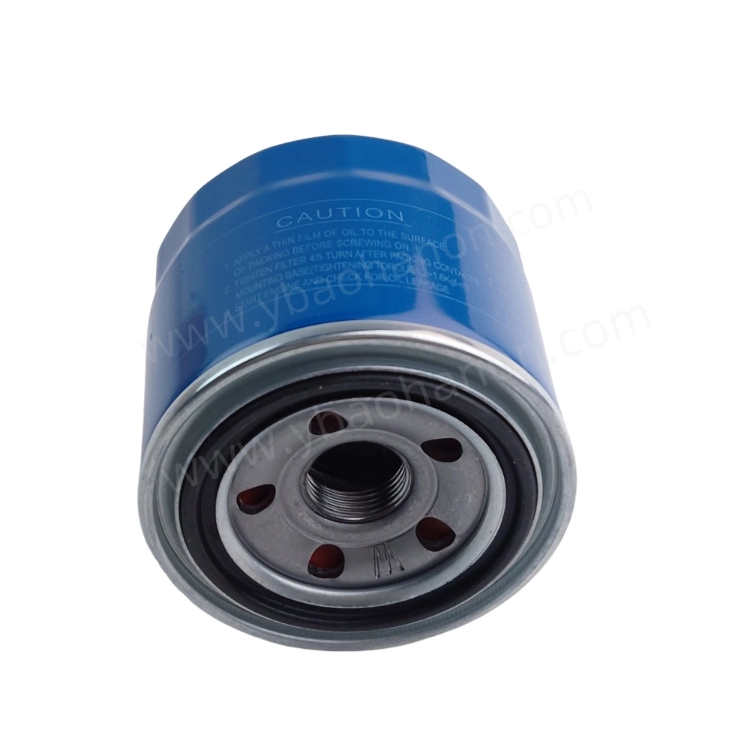
26300-35505 FILTER ASSY-ENGINE OIL. This part is an Engine Oil Filter identified by its OE reference number, making it a much more solid part number than some similar looking spin-on type filters. The main advantage to using this type of reference number is that it can be consistently referred to from the workshop request through to the quote, the cartons, and then subsequent orders for the same part. Before approving the purchase of this part, confirm the application engine, production country, the part that was removed, the sealing surface, and any other specific service requirements. Note that the same model name can cover different specifications.
Also important is to determine whether the engine uses a spin-on filter assembly or a replaceable filter cartridge. A filter cartridge requires possibly a new housing O-ring, etc. in addition to a new filter, whereas a spin-on filter has a built-in sealing gasket. These two types of filters should not be confused with one another on the basis of appearance or cost.
Short Trips and Heavy Use Change the Workload
In addition to the normal service schedule for a vehicle, the way in which it is used provides important clues as to whether it requires more attention. For example, frequent short journeys may mean that the engine is not regularly running at normal temperature, thus exposing oil and filter to additional demands such as dust, traffic, towing etc. and hot weather. In addition, idling for long periods also places additional demands on oil and filter.
Recording mileage, oil type, filter reference and working conditions of all vehicles is easily done by fleet operators and is far better than relying on memories of previous filter changes by recalling service records.
Don’t overcomplicate the record! Date, Odometer reading, Oil type, Filter reference number and next service date. If the vehicle has been used in stop-start traffic for a month or so or carried heavy loads etc then add a couple of words to that effect. Later on when a filter or oil problem develops the technician will have a better starting point than just a guess!
Link the Service History to the Application not Customer Name. A vehicle can have multiple owners and be serviced by many different Workshops, but the Engine and Filters on that vehicle remain the same. Clear Application Data allows Repeat Orders to be processed quickly and ensures similar Filters are sent with the correct Seal.
Signs Your Oil Filter Should Not Wait
The oil filter does not always clearly indicate when it requires servicing. It is part of the overall maintenance activity.
Dirty Oil Is a Clue, Not a Complete Test
Oil will darken as it accumulates heat-related deposits and normal wear particles. Dark oil alone does not mean the filter has failed, but a sudden change in oil condition including sludge or contamination warrants investigation. If oil appears milky, has a strong fuel odor or contains foreign material, do not treat this as a routine filter change. Investigate the engine also.
Warning Lights, Noise, and Service History Matter
New tapping noises, oil-pressure warning lights or unknown service histories need to be taken seriously. Don’t keep running the risk by hoping the noise goes away. Have the car checked and make sure the filter, oil level, leaks and pressure are all OK before using it further.
Leaks from filters can appear very soon after service if the filter was installed with a damaged seal, wrong gasket or not sufficiently tightened. A clean installation and leak test are part of the service and NOT extras.
Warning lights do not necessarily indicate a blocked filter. Low oil level, blocked oil pump, faulty sensors, wrong oil viscosity or even engine wear can trigger similar warning lights. Turn off the engine and follow the manufacturer’s diagnostic procedures to clarify the cause of any warning lights before randomly replacing a filter. If severe contamination is found, the oil and filter service becomes part of the repair and must not be used as a substitute for proper diagnosis.
Check for any signs of leakage around the new filter when the engine is first started after an oil and filter change. Also check that the oil pressure warning light has come out as expected and check the oil level after the engine has stopped, following the relevant part of the service procedure. A filter over-tightened for its new filter can be a real problem to try to remove later. A filter not properly seated could leak.
When used filters are inspected after being cut open, the remains found inside can give good indication of wear. But those remains have to be handled by a qualified technician. Metal flakes, heavy sludge, or a collapsed filter element do not mean another filter has to be mounted and the driver can continue driving. Instead, a proper diagnosis of the engine is needed.
How to Choose the Right Oil Filter
The least expensive filter is not always the lowest cost when considering returns, leaks, and repeat service.
Match the Vehicle and Engine
Please confirm the engine type, production data, old filter ref, thread/mounting details, seal dimensions and filter height. If you supply filters to several markets please keep each application separate in the stock records as similar filter names can cause picking errors.
This could be a useful reference for service-kits, 26320-3CAA0 SERVICE KIT-OIL FILTER is detailed within STARIA’s maintenance materials for sourcing Hyundai and Kia parts. This is particularly noteworthy when buying as a complete service-kit as opposed to buying a single filter as a photo. Refer to the OE number as an application reference number to verify it can be used on all Hyundai and Kia engines and check the quotation includes all parts required as per the engine service procedure, including any additional seals and other fitting parts.
Compare Filter Design and Sealing
Query filter media, gasketing, valve configuration, filter housing, and filter packing in some detail. The supplier’s promise regarding the life of the filter is irrelevant. Rather look for a clear and accurate description of what they are selling so that you can compare like with like across suppliers for a given application.
Compare the filter’s published construction with what the application calls for. For spin-on filters, check whether an anti-drainback valve or a bypass valve is specified and whether the supplier can confirm the correct arrangement. For cartridge filters, inspect the end caps, media support, housing seal, and any included O-rings. Better-looking media is not enough if flow and valve operation do not match the engine. A higher-priced element should not be used to extend the interval unless the vehicle manufacturer and supporting specifications allow it.
Check carton and filter before installing filter. Damaged housing, torn seal, damaged threads or missing protective cap on filter part warrant holding part for inspection.
For export goods such as Oil filters, packaging needs to be of high quality to prevent moisture or impact damage to the filter housing and seal during transportation and storage in containers or warehouses for weeks before being fitted. Be sure to record any damaged cartons upon receipt, isolate from other export stock and inspect the parts before any argument can ensue as to when they were actually damaged – a simple procedure that can save much future grief with both your buyer and supplier.
Using simple shelf labels with key information such as the filter reference, supported engine family and carton quantity for multiple applications is highly recommended. A photograph of the product or supplier nickname should not be used in place of a simple to read label for ordering.
Do Not Choose on Price Alone
Online catalog data can be wrong, and copied photos can hide counterfeit or mixed stock. The oil filter change guide can help you frame the maintenance conversation, but your order still needs the exact engine and filter reference.
The comparison between a standard oil filter and a long-life oil filter may be of more interest to you when purchasing oil filters. Here you can see whether higher purchase costs are really justified by special features of the filters and if these features are relevant for your workshop’s service schedule. Be aware of the term “long-life” as it is often only used as a sales pitch and does not necessarily reflect any real added value. Check the requirements of your engine and compare them with the filter’s specification.
How STARIA Supports Oil Filter Sourcing
The oil filters are included in the STARIA filtration and wear-parts range. So as a buying customer you can discuss these with us as part of a repeat maintenance order as opposed to a single online purchase. As with all items we sell, same questions apply – engine, reference, quantity and packing?
APEXPARTS PRODUCT LINE 2 Oil Filters are higher-end maintenance products offered to customers looking for premium wear-parts to use on a variety of vehicles. The APEXPARTS AUTOFIT Oil Filters are value-priced for mass-market maintenance needs of everyday customers. Note that two different sourcing directions are listed, and not every filter number will be available in both product lines. Distributors should request a list of available SKUs for the oil filters, compare the filter specifications, review fitment evidence, determine the carton quantities and compare the commercial terms for each desired engine application.
Separate the usual Hyundai/Kia parts from the specific 26300-35505 filter assembly and 26320-3CAA0 service kit for the oil filters. This allows you to continue to quote and hold stock under the general description of oil filters but keep a record of the specific parts to enable repeat orders to be correctly identified and not confused with the general catalog name and potentially incorrect fitment.
Review relevant product categories via product center. If you are a user of a workshop, distributor network or export order via the solution center you can describe your needs for applications and supplies. On STARIA’s company information a central warehouse as well as forward warehouse support and also logistics coordination is described. Hence it can be of help when stable replenishment matters.
Read the company background first before placing a wholesale online enquiry. Also read the latest news in our News Center for the latest stock of maintenance parts. For a current filter price quote, supply us with the engine type, original filter number, quantity required, destination country and desired delivery terms via the contact page.
Don’t ask for the cheapest oil filter without making clear the application. Ask instead for a suitable filter and for a complete and clear packing list. The supplier gets a useful job to do and you get a quotation that you can check later.
Find out the supplier’s process for replacement and complaints prior to placing a large order. Although this does not guarantee a supplier’s products to be of a suitable technical standard, it will indicate how a supplier handles matters such as short delivery, seal damage or disputed applications and enable your purchasing team to have suitable evidence to refer to in such cases. Keep the quotation, the packing list, your receiving photos and the installation note together.
Even if a workshop services many vehicles, it is advisable to first order a small quantity of verification stock before placing a full stock order. On the workbench, check the seal and thread to see if they fit. It is then easier to decide whether you also want to keep this article in stock in the future rather than discovering a catalogue error in several cartons.
Conclusion
Don’t get distracted by low list prices when buying an oil filter. While it’s usually best to change the oil filter at the same time as an oil service, on short trips think about dust, heavy use, potential contamination etc. and look at the service history of the filter. Check for correct fitment, adequate sealing, suitable construction and a clean install. Your local STARIA dealer and their service and contact channels can help you turn these considerations into a suitable buying request.
FAQ
How often should you change an oil filter?
For most applications it is best to change it with the engine oil in line with the vehicle service schedule. However in severe service, contaminated with large amounts of liquid or flung open to the elements it would be wise to inspect earlier to assess condition.
Can I change the oil without changing the filter?
Yes, but old filter elements and their captured contamination are left in the engine’s system. Service the engine according to its service instructions and change the filter when indicated by service schedule or filter condition.
Does a more expensive oil filter last longer?
Do not judge a part by price alone. Compare correct application, media, seal, valve design, packing, and supplier information to determine true service life.
What happens if the wrong oil filter is installed?
The wrong thread, seal, height or internal valve can cause leakage or block oil flow. Check the filter before starting the engine if in doubt about fit.
Can STARIA supply oil filters for distributors?
STARIA’s filtration range includes oil filters for STARIA. We would be happy to quote for the required filters once we have the engine type and number of filters required, together with a delivery address and any specific packing requirements. Please use the contact page to send us a request for a quote.