

5 Telltale Signs Your Hyundai’s Air Filter is Choking Your Horsepower
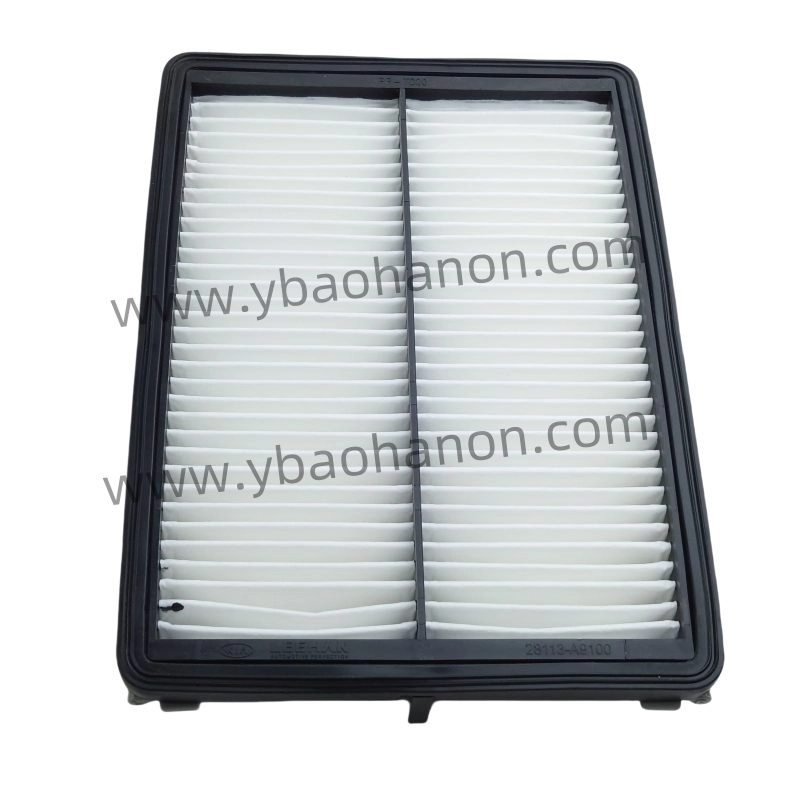
Your automobile’s power unit forms a detailed setup that demands exact settings to hold its top output. People often view the power unit as the core of their automobile, yet it proves just as crucial to grasp the function of its “breathing parts”—the air intake arrangement. In the same way that people require fresh air to inhale properly, the power unit needs a constant supply of clean air to allow complete burning of gasoline. Once this supply gets blocked, people basically force their automobile to complete a long race while inhaling via a narrow tube. This restriction not only hampers immediate performance but also builds up strain on other engine elements over time, leading to broader wear and potential breakdowns if left unaddressed.
Spotting the initial indicators of a blocked air entry holds key importance for steering clear of lasting mechanical harm. As a committed player in the auto field, YBAOH centers on “creating improved auto pieces” to guard users’ spending. By watching how one’s automobile acts amid routine trips, individuals can stop minor upkeep slips from growing into expensive power unit overhauls. Such vigilance empowers drivers to maintain optimal conditions, extending the overall lifespan of their vehicles while avoiding unexpected repair bills that could strain budgets.
The Primary Symptoms of a Clogged Intake
The air entry marks the initial stage of one’s automobile’s energy process. Air flows in from the surroundings, moves past the filtering device, and arrives at the throttle prior to accessing the burning area. If this route faces blockage from waste, the driving feels will decline in five clear manners. These changes become evident during everyday use, signaling the need for prompt attention to restore smooth operation and prevent escalation to more serious issues.
1. Sluggish Acceleration and Noticeable Power Loss
One of the clearest hints that the Air Filter fails is a decline in gas pedal reaction. When drivers push the accelerator, the power unit calls for an instant boost of oxygen to pair with the heightened gasoline delivery. If the filtering piece holds loads of soil, the power unit fails to hit the required air-gasoline balance fast enough. This outcome creates partial burning, causing the automobile to seem weighty and hesitant when drivers attempt to pass others or join a major road. Over repeated instances, this sluggishness not only frustrates daily commutes but also increases overall fuel use as the engine compensates for the lack of efficient air supply.
2. A Drop in Fuel Economy
Drivers may observe that they stop at fuel stops more often than before. Though current power units employ detectors to modify gasoline supply, a blocked filtering device compels the setup to labor more to draw the same air volume. Such poor output can cause a reduction in gasoline efficiency by 1% to 3%. Across vast distances, this minor share turns into substantial extra costs. This gradual drain on resources adds up quickly, especially for those who rely on their vehicles for long-distance travel or heavy daily use, turning what seems like a small oversight into a noticeable financial burden over months.
3. Unstable Idling and Engine Shaking
A fit power unit ought to rest steadily and softly. Yet, if the air provision varies because of a soiled filtering device, the burning method turns uneven. This frequently shows as a trembling control wheel or a “wobbling” feel when the automobile halts at a traffic signal. Moreover, a weakening filtering device permits tiny bits to slip the barrier and dirty the throttle area, which straightly disrupts rest steadiness. These vibrations not only create discomfort during stops but also indicate underlying imbalances that could lead to further component stress if not corrected promptly.
4. Unusual Engine Noises
The sounds from one’s power unit can reveal much about its state. If drivers detect a forced, drawing noise or if the power unit appears noisier than usual amid speeding up, it probably fights for air. When the Air Filter carries heavy grime, the pull formed by the pistons seeking air can make the filter shell shake or hum, pointing to a strong blockage in the entry passage. These auditory clues serve as early warnings, urging owners to inspect the system before noises intensify into signs of deeper mechanical trouble.
5. Visible Contamination and Debris
The surest method to back up one’s doubts involves a hands-on check. A fresh filtering piece usually displays a clear white or pale shade. If drivers take off the shell and spot a deep gray or dark layer filled with foliage, bugs, or scrap bits, the moment arrives for a swap. Overlooking these sight signs lets damaging grains access the fragile inner sections of one’s power unit. Direct observation confirms the extent of buildup, allowing for timely intervention that safeguards against long-term erosion of vital engine surfaces.
Why YBAOH Filtration is the Superior Choice
Noting these hints marks just the starting point; the next move involves selecting a substitute that matches or surpasses the factory gear levels. Here, the YBAOH pledge to caliber delivers a clear edge for one’s automobile’s endurance. This focus on reliable filtration helps sustain consistent airflow, which in turn supports better combustion and reduces the risk of related engine strains.
The Hidden Danger of Silicon Dioxide
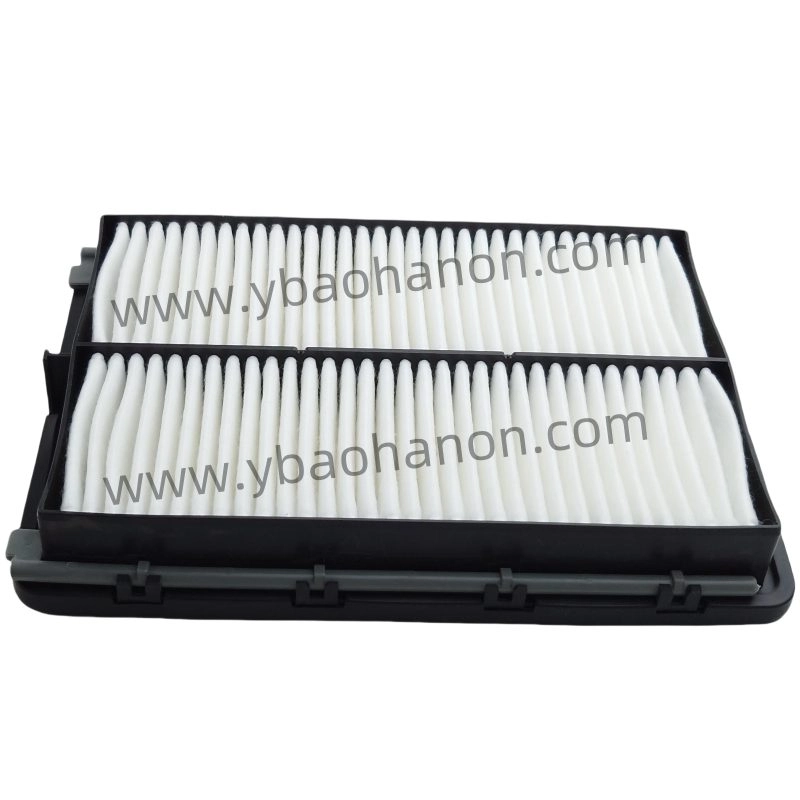
Numerous drivers overlook that the chief element of highway soil consists of silicon dioxide—a material tougher in nature than the alloy mixes in one’s power unit barrels. If these grains evade a low-grade filtering device, they function like rough paper against the barrel surfaces. This brings about “barrel scraping,” a state where the alloy gets scratched and eroded at a quick pace. Actually, the erosion pace of a barrel lacking a fine filtering device can reach eight times above that of a shielded one. Employing a carefully built piece such as the 28113-A9100 FILTER-AIR CLEANER makes certain these tiny risks halt prior to inflicting lasting harm. Awareness of this abrasive threat underscores the value of robust filtration, as unchecked particles accelerate wear patterns that shorten engine life and raise maintenance demands.
Advanced Material Science: Non-Woven Technology
YBAOH applies forward non-woven filtering cotton, which marks a notable improvement beyond basic paper substances. This blended substance gets shaped with an uneven fiber layout that forms an abundant “nano-half-pore area”. This layout yields several main gains: Such innovative structure enhances trapping efficiency without sacrificing airflow, providing a balanced solution for diverse driving scenarios from urban stops to highway speeds.
Large Dust Holding Capacity: It manages to capture greater amounts of grains prior to a major fall in air force. This capacity allows for extended use in dusty areas, delaying the need for frequent replacements and maintaining consistent performance.
Strong Moisture Resistance: Unlike inexpensive paper filtering devices that may droop or rip when wet, these man-made fibers keep their form firmness in wet or sticky weather. Reliability in such conditions proves vital for regions with frequent rain, ensuring the Air Filter does not compromise engine protection during adverse weather.
Longer Service Life: The toughness of non-woven substances signifies drivers can travel assuredly for greater spans between swaps. This extended durability translates to fewer interventions, saving time and costs while upholding high filtration standards throughout the vehicle’s service intervals.
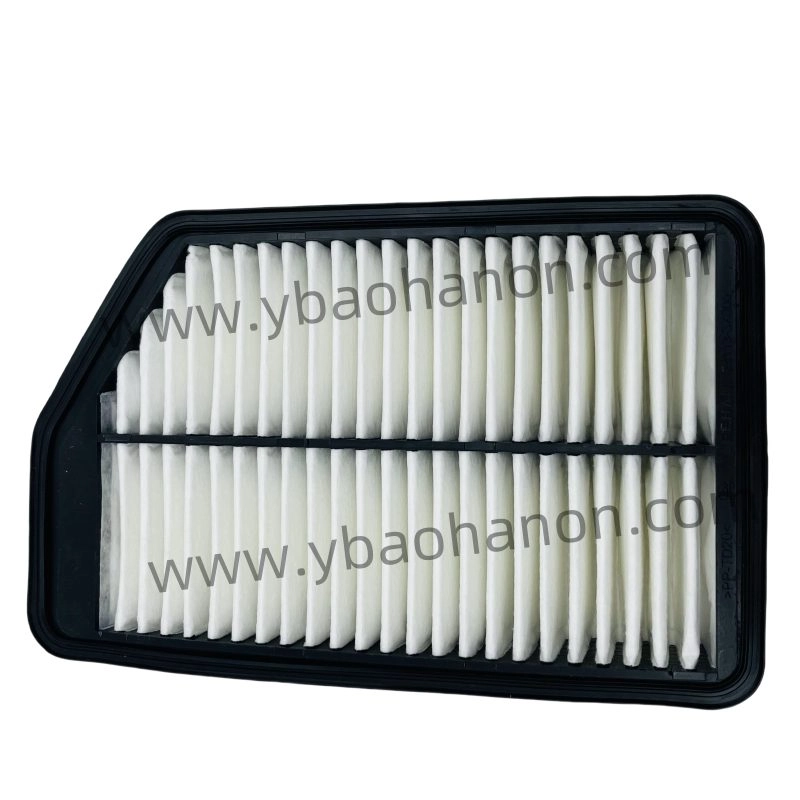
For automobiles working in tough settings, the 28113-H8100 FILTER-AIR CLEANER supplies the needed flow volume to preserve one’s energy at best while holding a strong degree of filtering output. Tailored for Hyundai models, this component ensures seamless compatibility, delivering reliable protection against contaminants while supporting the engine’s demand for unrestricted air in varied operational demands.
Industrial Excellence and Global Reliability
When individuals obtain elements from us, they tap into eighteen years of skill buildup in the auto area. From our start in 2010, we have grown from a field beginner to a worldwide label that builds links with leading clients in spots like Dubai, Saudi Arabia, and Russia. This progression reflects our steady push toward quality, fostering trust among international partners who depend on consistent supply and superior product standards for their operations.
The IATF 16949 Standard
We hold that caliber needs to stay trackable and steady. This explains why our making methods follow the IATF 16949 caliber oversight framework. This benchmark acts as a required level for joining the provision line of common worldwide auto makers. It guarantees that each piece we craft, from the 28113-A9100 to the 28113-H8100, passes a strict PDCA (Plan-Do-Check-Act) loop to avoid dangers and cut down on excess. Compliance with this framework not only meets industry expectations but also builds confidence in product reliability for end-users worldwide.
Our creation covers “in-situ matching” layouts. This signifies the sizes of the filtering shell and the gasket get exactly adjusted to one’s particular automobile variant, securing a sealed match that stops “unfiltered air” from seeping into the power unit. This degree of accuracy gets reached in our smart creation sites, which apply laser joining and machines to uphold a production rate up to 99%. Precision engineering like this minimizes installation errors, ensuring the Air Filter integrates flawlessly and performs at peak levels from the outset.
A Complete Integration of Service and Expertise
Past creation, we present a solution center shaped to aid the varied wants of automobile holders and piece sellers equally. Be it a hands-on fan in North America—where the common automobile age hits a peak of 12.6 years—or a big international bulk seller, we supply the aids required. This broad support caters to individual needs as well as commercial scales, promoting efficient solutions that align with global automotive trends and user expectations.
Our all-in-one OEM aid pattern blends study, growth, and creation into one smooth provision line. We draw basic substances from global top providers and perform threefold checks: This integrated approach streamlines operations, ensuring every stage from raw input to final output adheres to stringent quality controls tailored for automotive applications.
Qualification Traceability: We confirm chemical makeup and eco approvals. Tracking origins verifies compliance with safety norms, reducing risks associated with material inconsistencies.
Physical Performance Testing: We employ spectral tools to examine ceramic firmness and layer depth. These tests ensure materials withstand operational stresses, confirming durability under real-world engine conditions.
Simulated Condition Verification: We evaluate pieces in harsh warmths from -40°C to 150°C to make sure they manage any weather globally. Environmental simulations validate performance across climates, guaranteeing the Air Filter remains effective regardless of external factors like extreme heat or cold.
Protecting Your Vehicle’s Future
The well-being of one’s power unit stands as a spending that calls for solid upkeep. People can discover more regarding our path and our resolve toward superiority on our about us page. We commit to supplying pieces that not only suit one’s automobile but also boost its output and guard nature via purer releases. Proactive care through quality parts like our Air Filter options fosters sustainable driving, aligning vehicle maintenance with environmental goals while enhancing reliability for daily use.
If drivers have spotted any of the hints noted earlier, like hesitant speeding up or higher gasoline intake, they should not delay until the “examine power unit” signal shows. Swapping the Air Filter ranks among the cheapest methods to bring back one’s automobile’s first energy and make certain each journey stays protected and capable. Simple actions like this yield immediate improvements in responsiveness and efficiency, proving essential for maintaining vehicle health in an era of aging fleets and rising fuel prices.
If individuals serve as skilled purchasers or automobile holders seeking strong aid options, we welcome them to contact us now. Our skilled group prepares to offer custom details alignment and technical backing to make certain users receive the precise piece for their wants. Personalized guidance ensures optimal selection, bridging the gap between user requirements and available solutions for enhanced vehicle care.
FAQ
Q: Why is silicon dioxide such a major threat to my car’s engine?
A: Silicon dioxide forms the primary part of usual soil and grit, and it stays harder in form than the alloy in one’s power unit barrels. If it slips a weak-grade filtering device, it triggers “barrel scraping,” eroding barrels eight times quicker and piston bands nine times quicker than standard. Understanding this material’s abrasive nature highlights the critical role of effective Air Filter barriers in preserving engine integrity.
Q: How often should I inspect my 28113-A9100 or 28113-H8100 air filter?
A: Drivers ought to routinely examine their filtering piece within their standard upkeep habits, similar to how they check a liquid holder filter. Typically, following 60,000 kilometers, it becomes vital to see if power unit add-ons still work at full strength levels. Regular checks like these help catch issues early, ensuring the Air Filter continues to support optimal engine function without interruptions.
Q: What is the benefit of YBAOH’s non-woven filter material compared to standard paper?
A: Non-woven filtering cotton delivers a bigger grain-capturing volume and better dampness tolerance, indicating it avoids breakdown in sticky situations. It further grants strong firmness and a greater upkeep span, rendering it a far more budget-friendly and lasting pick for ongoing power unit shielding. The advanced composition of this material excels in trapping fine particles while allowing sufficient air passage, offering a practical upgrade for everyday drivers facing varied road contaminants.


