

2026 Guide to Diagnosing Engine Oil Leaks: Where to Look First
Spotting dark pools on your driveway always feels bad. In the car upkeep area, Engine Oil Leaks count as some of the usual and harmful problems that car owners run into. Overlooking a handful of liquid spots might appear safe for a bit. However, today’s engine compartments hold many delicate electronic pieces crammed together. A small leak now can quickly turn into a major mechanical breakdown later, which demands expensive fixes. The upkeep style in 2026 strongly supports early checks, urging drivers and repair folks to pinpoint the real spot of any spill before it dirties the nearby equipment.
Handling tough car fixes calls for depending on a strong supplier network, and that changes everything. Backed by production in China and leading the worldwide car spare parts market, the STARIA group serves as a huge support in the auto components business. Using a very effective “Central Warehouse + Front Warehouse + Dedicated Logistics” setup, STARIA works closely with local areas to create a lasting service system. The group shows off a solid setup, bringing in more than $30 million yearly in income while overseeing over 40,000 square meters of storage area. With four key spots in Beijing, Hebei, Anhui, and Qingdao, the company arranges global supplier activities and focused building of chassis parts right from the start.
The STARIA global brand matrix handles all parts of car fixing via both promoted and company-owned names. Well-known top players like NEO CTR manage steering and suspension, as HANON SYSTEMS works as the leading worldwide supplier for auto A/C. In the company-owned name section, YBAOH targets mainly high-profit engine and fix components for Korean vehicles such as Hyundai and Kia. VIVN offers complete types of budget-friendly parts, and APEXPARTS supplies top-quality wear items that equal original maker standards. No matter if you face standard brake changes or serious liquid dirt, this full brand structure supplies the precise tools needed to return cars to the road without danger.
The Chain Reaction: Why Fluid Seepage Destroys Electrical Systems
Plenty of drivers wrongly think that a broken seal just leads to a messy garage surface. But actually, liquids dropping under the cover start a harsh series of events that steadily damages nearby electronic items.
Early Warning Signs Triggered by Aging Seals
Facing steady contact with intense heat and shaking, rubber and silicone engine seals slowly stiffen and reduce in size as years pass. The first alert sign often shows up as a slight, sharp burning odor slipping into the passenger area via the air conditioning openings. This happens when oil drops right onto the very hot exhaust pipe. A close visual check will typically show a dense, oily layer covering the engine block’s side, which draws in street dirt and rough particles like a pull.
The Fatal Blow to the Ignition System
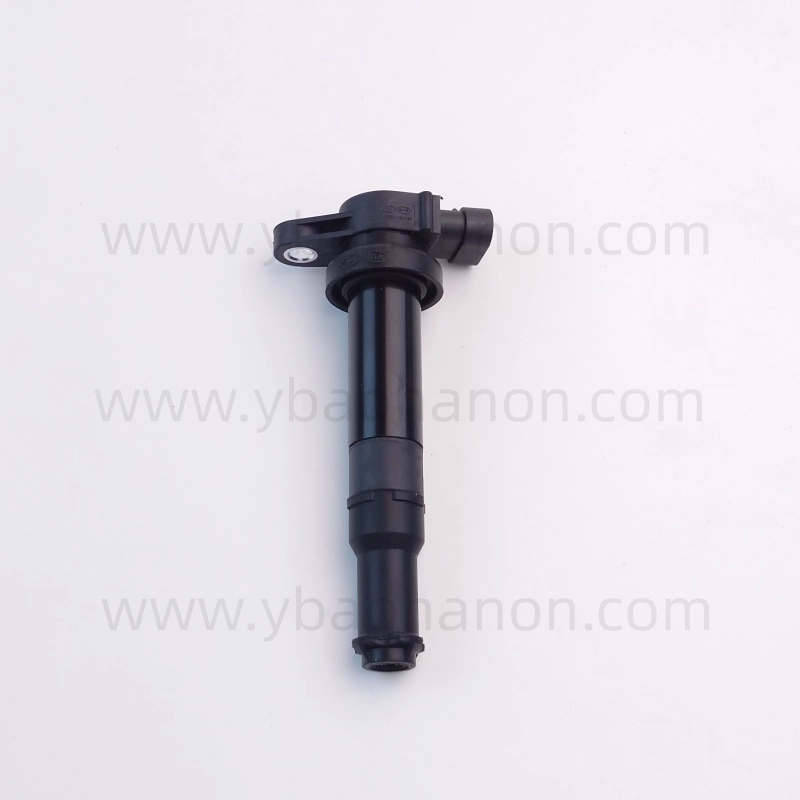
Liquid under the cover seldom simply drops downward; instead, it moves sideways over level areas. When the leak begins at the cylinder head’s upper part, the liquid surely collects in the deep spots for spark plugs. This forms a very harmful setting for your electric setup. Oil-type liquids strongly harm the rubber covers of ignition coils, making them expand, split, and stop working. After the protective layer fails, the 40,000-volt electric pulse jumps straight to the metal engine body rather than crossing the spark plug space.
Performance Decline Symptoms Caused by Fluid Contamination
After the ignition tools endure this chemical wear, the car right away drops in power. You will notice uneven running at idle, strong steering wheel shakes at stop signals, and big pauses when pushing the gas. A blinking engine warning light will nearly always show on the panel, signaling a failed cylinder. On top of that, unused fuel flows directly into the exhaust line, leading to a quick loss in fuel savings and possibly ruining the pricey gas cleaner.
2026 Guide to Diagnosing Engine Oil Leaks: Three Core Areas to Inspect First
Locating the precise start of a liquid spill needs an organized method. By looking at the typical weak spots right away, you preserve important time for checks.
|
Component / Failure Point |
Average Lifespan Before Failure |
Repair Complexity |
|
Valve Cover Gasket |
60,000 – 80,000 miles |
Low |
|
Oil Pan Gasket |
90,000 – 120,000 miles |
Medium |
|
Crankshaft Main Seals |
100,000+ miles |
High |
Checking the Valve Cover Gasket for Top-Down Seepage
Every time, start your check at the engine’s top spot. The valve cover gasket closes off the upper parts of the cylinder head. Since it rests at the highest level, gravity draws any leaking liquid along the block’s sides, hiding the actual source. Wipe a dry cloth over the joining edge where the plastic or metal lid connects to the engine. If you reveal new, moist liquid, the gasket has totally lost its flexibility and calls for prompt swap.
Inspecting the Oil Pan and Drain Plug for Bottom Drips
Crawl beneath the car using a strong light to examine the engine’s bottom area. The oil pan bears the worst from road scraps, rough bumps, and sharp weather changes. First, look over the drain plug. Fast oil workers often twist this bolt too hard, smashing the seal ring or tearing the metal lines fully. Should the plug stay dry, check around the pan’s border. A damaged seal in this spot creates clear, wide pools on the pavement after the car parks through the night.
Confirming Hidden Spills at the Crankshaft and Camshaft Seals
These unique round seals block liquid from leaving the quick-spinning shafts at the engine block’s front and back ends. Spotting these particular Engine Oil Leaks demands extra work, usually requiring the pull-off of plastic timing shields. Should the back main seal give out, you will spot a regular, even drop coming from the bell section where the engine links to the transmission. Since reaching these seals involves lowering the transmission or breaking down the timing arrangement, spotting them soon stays essential.
Fixing Misfire Problems: YBAOH Ignition Coil Solutions for Hyundai and Kia
When the mechanical seals get changed, the harmed electrical pieces have to be exchanged to bring back engine strength. For Korean cars, picking the proper spare tools determines how dependable the fix stays over time.
27301-3E100 COIL ASSY-IGNITION: High-Efficiency Ignition for Complex Conditions
img.27301-3E100 COIL ASSY-IGNITION.webp
For Hyundai and Kia V6 engines, regaining missing power requires exact, strong voltage flow. The 27301-3E100 COIL ASSY-IGNITION stands built to manage tricky, heavy-duty spots. It sends a quick, focused spark to light the air-fuel blend without delay. If earlier Engine Oil Leaks damaged the original coils, fitting this new unit ends cold-start delays and restores the even, powerful speedup that V6 owners look for in their ride.
27301-03200 COIL ASSY-IGNITION: Upgraded Insulation and Durability
img.27301-03200 COIL ASSY-IGNITION.webp
Four-cylinder everyday cars facing nonstop city start-stop driving gain hugely from solid heat shielding. The 27301-03200 COIL ASSY-IGNITION includes an improved outer shell that firmly holds up against wild heat swings. When you update the car with this piece, the ignition setup gains better guard from coming wear, allowing the engine to operate perfectly for many thousands of miles.
STARIA Brand Advantages: High-Temperature and Oil-Resistant Craftsmanship
Goods carrying the YBAOH label blend top-notch lead carbon centers and real copper parts into each piece. The production method employs very targeted rubber, silicone, and polyethylene covering tech. This exact mix of materials builds a solid wall against oil items, moisture, and sour compounds. It greatly lengthens the item’s working life, beating regular spare options even in the toughest areas under the hood. Look into further tech details in the Solution Center.
Guide to Avoiding Traps When Sourcing Quality Parts and Reliable After-Sales Support
The web simplifies grabbing car components, yet it also invites tricky sellers. Getting dependable pieces demands careful seller review.
|
Feature |
Genuine YBAOH OE-Quality Coils |
Counterfeit Online Parts |
|
Internal Windings |
High-grade pure copper |
Cheap, brittle aluminum wire |
|
Insulation Material |
Advanced silicone/polyethylene |
Basic recycled rubber |
|
Heat Resistance |
Maintains stability up to 150°C |
Melts and cracks under 100°C |
|
Quality Testing |
100% end-of-line verification |
No testing, high failure rate |
Online Sourcing Risks: Beware of Counterfeit Auto Parts
Grabbing components from huge web shopping sites brings big dangers if you follow basic search outcomes without question. Lots of site systems center only on listing items instead of fit for machines or safe handling. Fake components overrun these sites. To someone without training, a phony ignition coil appears exactly like the real deal. Still, the inside coils make use of low-cost aluminum over copper. Placing these poor parts risks the full car control unit to major electric surges.
YBAOH’s One-Stop OEM Services and OE-Level Quality
Rather than chancing it with unproven web dealers, count on a committed maker with a solid history. YBAOH runs a broad auto components hub that closely ties study, building, making, and straight sales. Each product hits firm OE match rules, going through strict 100% end checks before packing. Thanks to a clever supplier network and a large stock center, the plant delivers true worth and perfect-match components without huge added costs from go-betweens. Learn the background of the plant by checking About Us.
Contact Us: Get Exclusive Hyundai and Kia Solutions
Fix garages, group vehicle overseers, and keen home mechanics require a steady, ongoing supplier ally. The help crew offers quick, very precise info pairing so no wrong item reaches the workshop. If repeated machine issues keep halting tasks, allow the focused experts to assist. Contact Us right now to obtain the newest costs, direct-from-plant tech aid, and tailored getting strategies. Do not allow Engine Oil Leaks bench a car group when quality swap components wait only one click distant.
FAQs
Q: How do I track down the exact source of Engine Oil Leaks on a dirty motor?
A: Begin by cleaning the block fully with a tough cleaner and firm brush. Operate the vehicle for fifteen minutes. Next, place a broad sheet of fresh white cardboard below the frame. The new, damp drops will guide directly to the weak seal, halving your check time.
Q: Can I safely continue driving if I spot a minor fluid drip in my driveway?
A: In theory, you can manage brief drives. Yet, you need to inspect the oil gauge by hand prior to each journey. Still, Engine Oil Leaks do not repair on their own. They simply grow worse with time. Overlooking the issue endangers major engine heat-up, total bearing loss, or lock-up of inner equipment.
Q: Why does my car idle so roughly after a gasket blows out?
A: Once a gasket fails, oil liquids leak straight into the spark plug lines and ruin the rubber protective covers on the ignition coils. This prevents the electric spark from getting to the burn space, causing a stopped cylinder, fierce trembling, and a very bumpy idle.


