
Top 5 Factors That Drain the Life of Your front and back brake pads
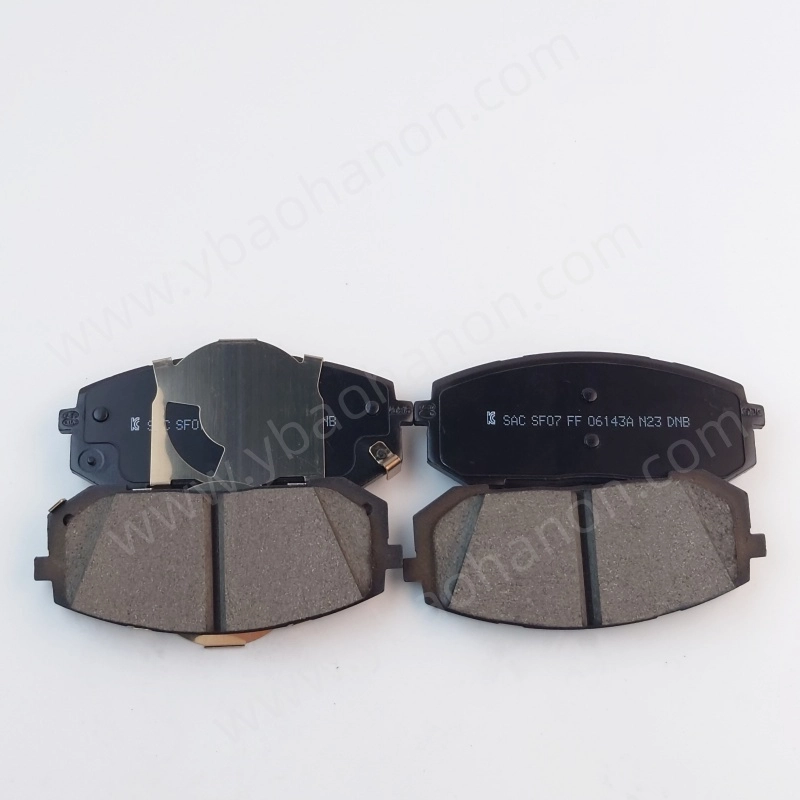
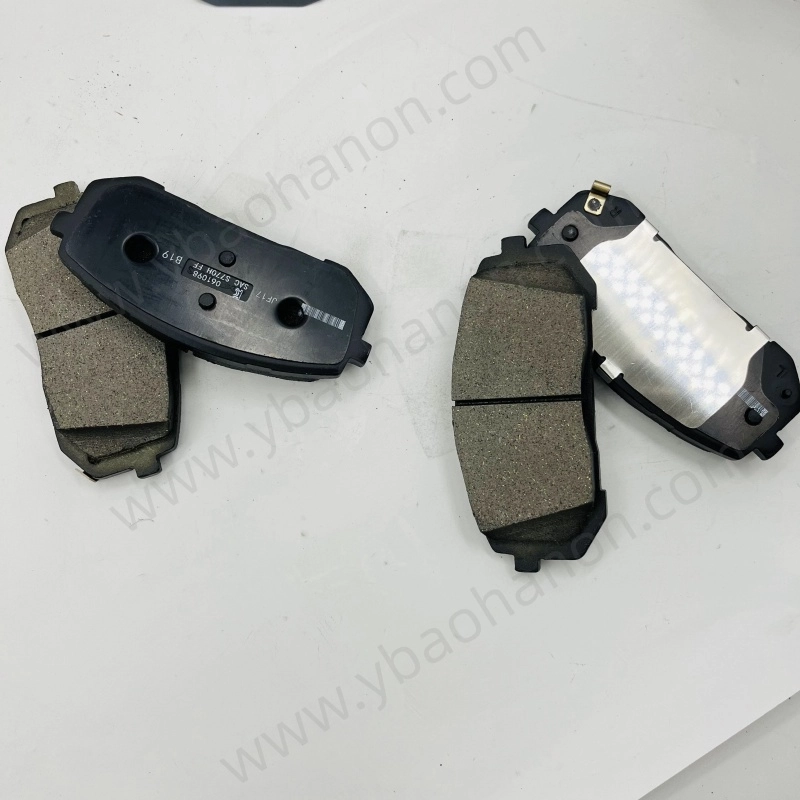 The condition of your front and back brake pads determines the degree to which you are able to bring your vehicle to a safe stop in an emergency. Brake pads naturally wear as your vehicle is used, but for many car owners and fleet managers, brake pads wear far more quickly than this. The early wear of brake pads can result in increased costs of maintenance as well as create safety risks while driving on the road.
To solve this problem, you need high-quality replacements from a trusted source. STARIA is a leading one-stop automotive parts supplier backed by an extensive manufacturing network. STARIA delivers OE-level quality to the global aftermarket, empowering buyers with reliable and cost-effective solutions. In this guide, we explore the top five reasons behind rapid friction material deterioration and share expert advice to help you select better components for your vehicles.
Aggressive Driving Habits and Constant Braking
Driving style heavily influences how long friction materials last. The physical demand placed on the braking system directly translates into extreme heat and mechanical stress.
High-Speed Heavy Braking
When a vehicle travelling at a hundred kilometers per hour suddenly stops, the braking system converts a massive amount of kinetic energy into heat energy. Ordinary materials suffer from thermal decay under these extreme conditions. The resin inside the friction compound softens, dropping the friction coefficient significantly and burning through the pad thickness rapidly. Because disc brakes operate with a tiny clearance of just 0.05 to 0.15 millimeters, repeated high-speed stops without proper cooling time will warp the components and glaze the friction surface.
Stop-and-Go Traffic Patterns
City driving forces you to tap the pedal constantly. This continuous light friction keeps the rotors and calipers engaged, generating a slow but steady grinding effect. Traffic jams create a scenario where the pads never fully cool down. Since the front wheels handle the vast majority of a car’s stopping force, this pattern silently shaves off millimeters of thickness every month, wearing the parts out long before their kilometer rating suggests.
Heavy Vehicle Loads and Excessive Cargo
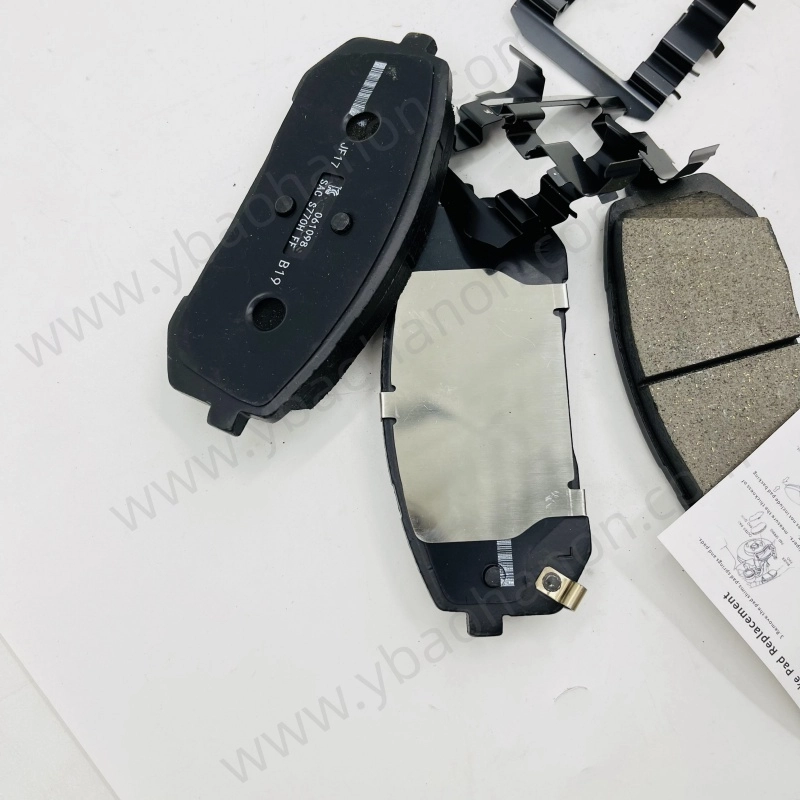 Added weight changes the physics of stopping a vehicle. The heavier the mass, the harder the calipers must clamp down to halt the momentum.
Excessive Cargo Weight
When a vehicle carries maximum capacity or exceeds its weight limits, its inertia increases dramatically. The front and back brake pads have to work overtime to bring that extra mass to a complete halt. This extra physical pressure pushes the friction material to its structural limit, multiplying the wear rate. In commercial vehicles or heavily loaded passenger cars, the friction pads endure shear forces that can literally tear chunks of material away if the quality is poor.
Heavy Trailer Towing
Towing trailers down long stretches places incredible stress on the braking hardware. If the trailer lacks its own independent brakes, the main vehicle takes the entire burden. This scenario forces the calipers to drag longer and harder, turning normal wear into severe material degradation. The constant tension required to keep a heavy trailer from pushing the car forward on a decline accelerates the destruction of the friction surface.
Harsh Environmental and Road Conditions
The outside environment attacks automotive components both physically and chemically. Where you drive matters just as much as how you drive.
Steep Mountain Roads
Driving down mountain passes requires frequent deceleration. The prolonged friction keeps the braking hardware at super-heated levels for extended periods. This continuous high-temperature state causes standard pads to glaze over or fail completely. While ventilated disc brakes dissipate heat well, the sheer volume of heat generated on a long decline can easily surpass the thermal threshold of basic metallic compounds.
Corrosive Weather Elements
Water, dirt, and road salt can bring corrosion into your brake caliper assemblies. Dirt can get between the brake rotor and brake pads and act like sandpaper, wearing down brake pads prematurely. Because disc brakes press water out of the brake during normal operation, the dirt that remains can severely damage your front and rear brake pads. In addition, salt and moisture can cause the backing plate of your brake to rust and delaminate the friction material. It can even cause the material to separate completely into two layers.
Neglected Maintenance for front and back brake pads
Failing to service the entire braking system often leads to isolated component failures. The friction pads rely on healthy surrounding parts to function correctly.
Stuck Brake Calipers
When guide pins are greased or the dust boots on them tear, the caliper can seize. A seized caliper is one where the caliper will not retract the pad when the brake pedal is released. This causes the pad to drag on one side of the rotor, which in turn causes it to wear unevenly and burn up on one side. This excess wear causes the engine to have to work harder to brake and in turn cause other brake components to fail as well as to decrease fuel efficiency.
Degraded Brake Fluid
Brake fluid is hygroscopic, which means that it absorbs moisture as it ages. The fluid’s wet boiling point will then drop as well as causing potential corrosion within brake lines. As the fluid loses its ability to be a good hydraulic fluid, the driver will typically press the brake pedal down harder in order to stop in a safe manner. The additional pressure not controlled by the driver creates added stress on the friction surface as well as uneven wear.
Poor Quality Brake Pad Materials
Not all replacement parts share the same engineering standards. The raw materials used in manufacturing dictate how well the product withstands heat and friction over the long term.
|
Feature |
Ceramic Brake Pads |
Ordinary Semi-Metallic Pads |
|
Expected Lifespan |
Over 100,000 kilometers |
Under 60,000 kilometers |
|
High Temp Resistance |
Withstands 600°C to 1000°C |
Prone to fading at high heat |
|
Dust Level |
Very low (static-free powder) |
High (black dust accumulation) |
|
Rotor Wear |
Extends rotor life by 20% |
High chance of rotor scratching |
Substandard Friction Compounds
Cheap metallic parts use immature formulations that produce unstable friction coefficients. They generate high amounts of black dust , squeal loudly, and can severely scratch the rotors. Poor materials compromise safety by failing when temperatures spike during emergency stops, leading to thermal decay and a complete loss of stopping power.
Premium Ceramic Material Alternatives
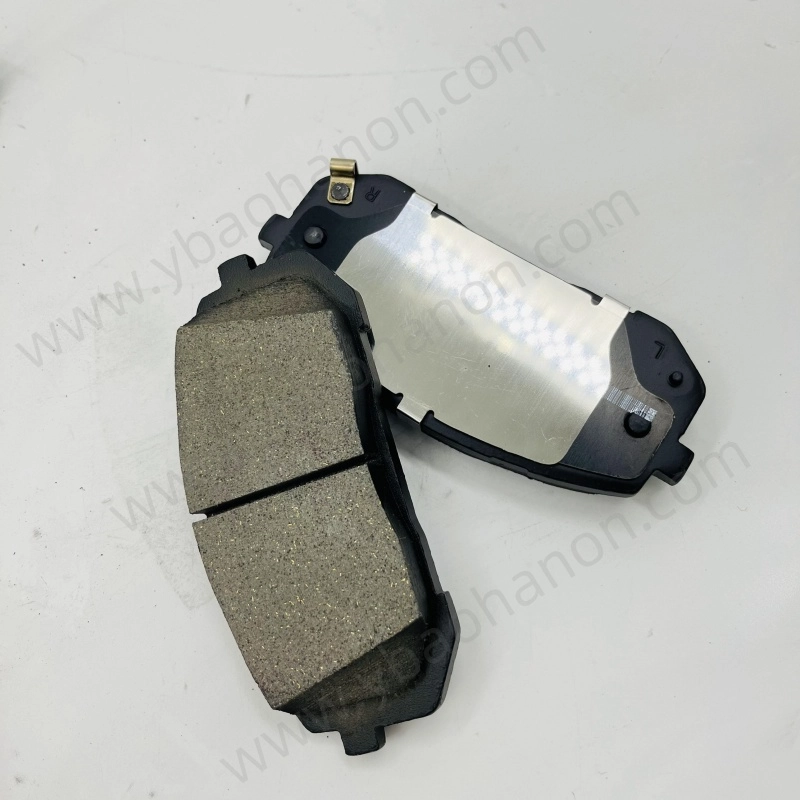 Ceramic options do not contain metal, making them quiet and highly resistant to thermal decay. They utilize aramid and ceramic fibers to maintain strength and a stable friction coefficient even at 600°C. We highly recommend upgrading to the 58101-AAA00 PAD KIT-FRONT DISC BRAKE. This STARIA product features an eco-friendly, low-dust ceramic formula combined with multi-layer silencers to cut noise, giving you stable stopping power and a much longer service life.
Partner With STARIA for Reliable Brake Solutions
Securing dependable parts is the foundation of a profitable automotive wholesale or repair business. Our manufacturing capabilities give you a direct market advantage by keeping costs reasonable while delivering premium quality.
|
Braking Component |
Load Distribution |
Primary Wear Factors |
|
Front Brakes |
60% – 70% |
High heat, extreme pressure, steering impact |
|
Rear Brakes |
30% – 40% |
Parking brake tension, cargo weight shifts |
Comprehensive Auto Parts Solution Center
STARIA acts as a direct-to-market manufacturer, removing middlemen to lower your purchasing costs. By visiting our Solution Center, you gain access to an extensive catalog covering chassis parts, engine components, and premium friction materials for major vehicle brands. Discover our factory capabilities, Class 1000 dust-free workshops, and rich history by checking out our background.
Professional Service and Contact
We back every order with strict quality control, 100% end-of-line testing , and point-to-point customer support. Protect your front and back brake pads from early failure by choosing our tested, OE-grade replacements. Ready to upgrade your inventory with top-tier components? Contact Us today for a customized wholesale quote and speak directly with our automotive specialists.
FAQ
Q: How long do front and back brake pads usually last?
A: Standard metallic pads last around 60,000 kilometers, while premium ceramic alternatives can exceed 100,000 kilometers depending on your daily driving conditions.
Q: Why do my new front and back brake pads squeak?
A: Squeaking often happens if the pads lack a proper silencer shim, if the rotor is glazed, or if cheap metallic compounds are scraping against the disc surface.
Q: Does carrying heavy loads ruin front and back brake pads faster?
A: Yes. Extra mass forces the calipers to apply much more pressure. This elevates the friction temperatures and strips away the pad material much faster than normal passenger driving.