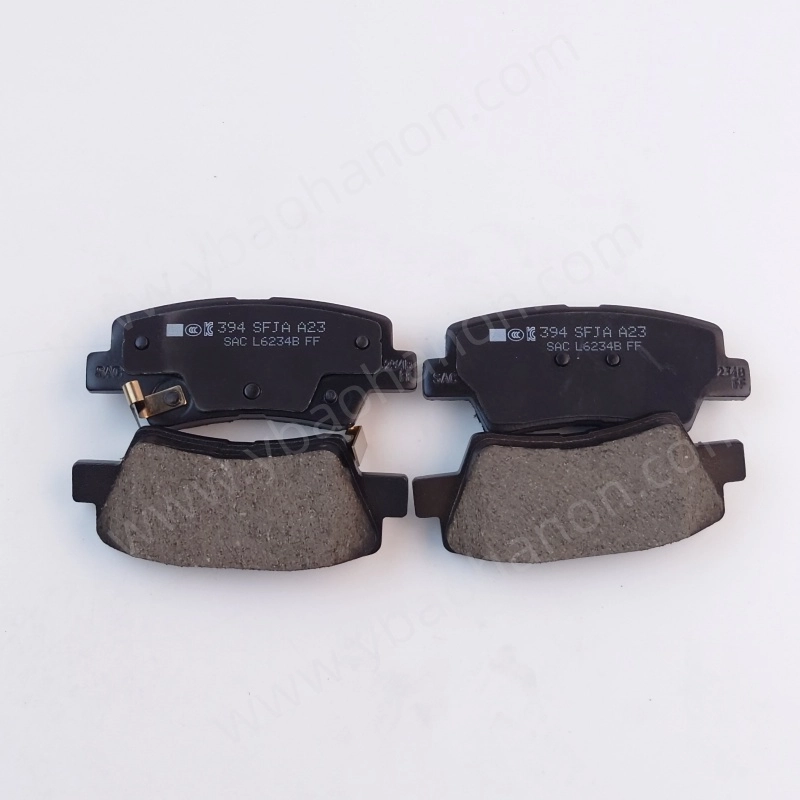

Ceramic vs Semi-Metallic Brake Pads: Which One Should You Choose?
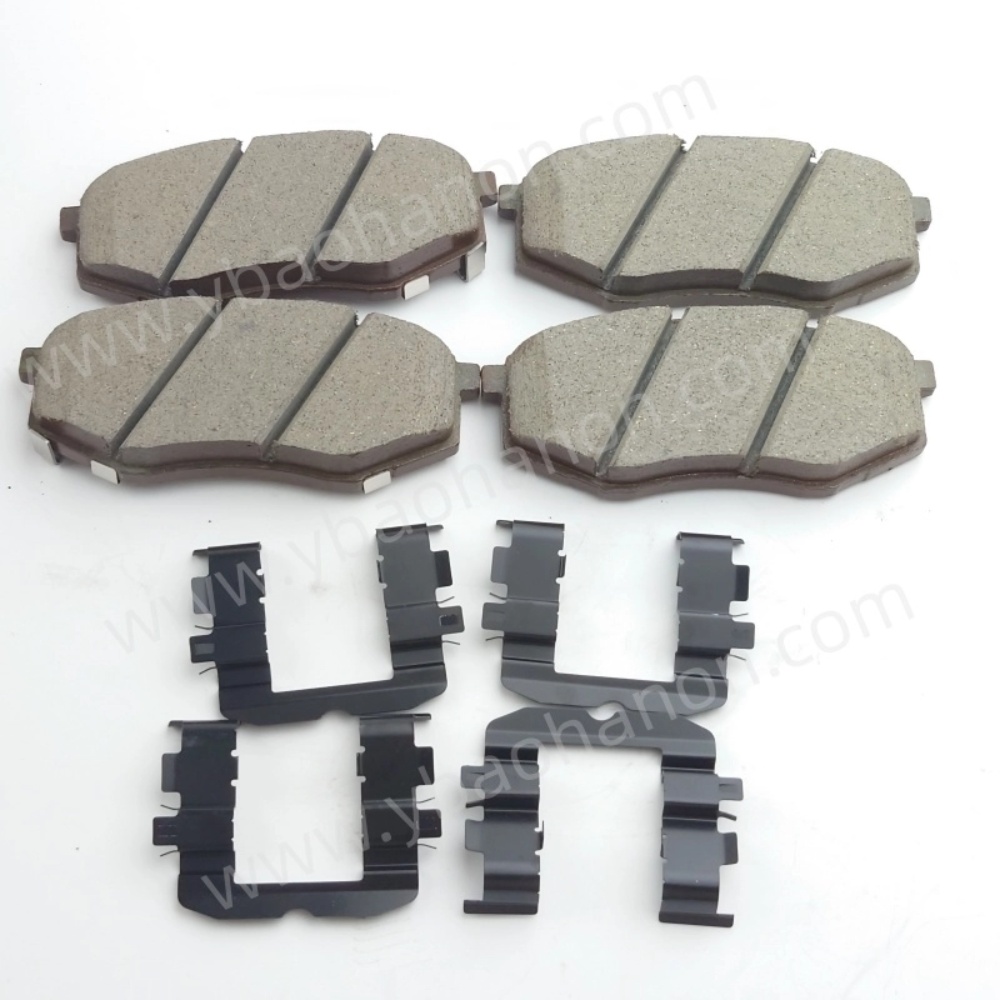
Choosing the right Brake Pads is not only about price. It affects stopping feel, wheel cleanliness, rotor wear, cabin comfort, and customer trust after installation. For repair shops, importers, wholesalers, and parts retailers, the ceramic versus semi-metallic question comes up often because both materials can work well, but not in the same driving conditions. A quiet city vehicle and a heavier vehicle on hilly roads may need different friction behavior.
STARIA focuses on Hyundai and Kia auto parts, covering brake systems, filters, ignition parts, sensors, engine parts, chassis parts, transmission oil, air-conditioner parts, and cooling system parts. According to its company profile, STARIA has 15 years in the Hyundai-Kia parts market, three factories, and a warehouse area of 15,000 square meters, supporting buyers who need steady parts coverage and practical aftermarket service.
Why Brake Pad Material Matters for Daily Driving and Repair Decisions
Brake pad material changes the way a vehicle feels in the first stop of the morning, in traffic, on a long downhill section, and after repeated braking. That is why a good buyer does not ask only, “Is it ceramic or semi-metallic?” The better question is, “What does this vehicle need, and what will the driver notice after 3,000 kilometers?”
Braking Feel and Driver Confidence
A driver may not know the friction formula, but they notice pedal feel. A good pad should respond clearly without grabbing too hard. If the pedal feels too soft, the driver may lose confidence. If the pad bites too aggressively in city traffic, the vehicle may feel less smooth.
Disc brake systems rely on the pad pressing against the rotor to turn vehicle movement into heat through friction. This sounds basic, but it is the whole job. STARIA’s internal brake system material also notes that disc brakes are valued for stable braking, good heat dissipation, simple maintenance, and quick response because the working gap between pad and disc is small.
Heat, Friction, and Stopping Distance
Heat is where the material difference becomes more serious. Every stop creates heat. In daily city use, the heat cycle is usually short. On mountain roads, highways, and repeated heavy braking, the pad must keep a stable friction level while the rotor temperature rises.
A useful aftermarket signal is the age of vehicles on the road. Older vehicles stay in service longer, so maintenance parts keep moving. In 2025, the average age of U.S. light vehicles reached 12.8 years, and vehicles in operation reached 289 million. That creates continued demand for repair items such as front disc pad kits, rotors, calipers, filters, and sensors.
| Aftermarket Signal | 2025 Data | Why It Matters for Brake Parts Buyers |
|---|---|---|
| Average Age of U.S. Light Vehicles | 12.8 Years | Older vehicles need more maintenance and wear-part replacement |
| Vehicles in Operation | 289 Million | A large vehicle base supports steady brake system demand |
| Passenger Car Average Age | 14.5 Years | Passenger cars remain important for common replacement parts |
| Light Truck Average Age | 11.9 Years | Heavier vehicles may need stronger braking performance |
| Battery Electric Vehicle Average Age | 3.7 Years | EV-specific aftermarket demand is younger but growing |
Noise, Dust, and Maintenance Cost
Noise and dust often decide whether the customer returns with a complaint. A pad can stop well and still create trouble if it squeals in parking lots or covers wheels with black dust. In retail channels, this matters because buyers remember comfort issues faster than they remember a product code.
For workshops, dust also means cleaning time. For distributors, it means product positioning. A quiet, low-dust pad fits daily family vehicles. A stronger, heat-tolerant pad may fit buyers who accept more noise for stronger bite. Neither answer is universal.
Ceramic Brake Pads: Cleaner, Quieter, and More Comfortable
Ceramic Brake Pads are usually chosen for daily driving, city use, and customer comfort. They are known for low noise, cleaner wheels, and smooth braking. In a typical Hyundai or Kia repair case, they are a strong match when the driver cares about comfort, quiet braking, and lower dust more than maximum heat performance.
Low-Dust Wheel Performance
Ceramic material tends to create lighter, finer dust. It does not cling to wheels as heavily as many metallic formulas. This helps the vehicle look cleaner between washes. It is a small point, but in real retail feedback, clean wheels matter. Drivers may not inspect the pad surface, but they notice a front wheel turning dark after a week of commuting.
Stable Friction in Daily Conditions
Ceramic pads are popular because they give steady braking in normal temperature ranges. They suit city starts and stops, school runs, office commutes, and weekend trips. They also tend to feel smooth at low speed, where many noise complaints happen.
A public automotive maintenance reference compares common pad types and lists ceramic pads as very low in noise, very low in brake system wear, and medium in performance, while metallic pads are higher in performance but also higher in noise.
| Material Type | Relative Price | Performance | Noise | Wear on Brake System |
|---|---|---|---|---|
| Organic | Low | Low | Low | Low |
| Ceramic | High | Medium | Very Low | Very Low |
| Metallic | Medium | High | High | Medium |
Longer Service Life for Urban Vehicles
Ceramic formulas are often selected when the buyer wants longer service life and fewer comfort issues. In urban fleets, taxis, and daily-use family cars, that can reduce customer complaints. It also helps repair shops sell a better solution, not just a cheaper box.
Still, ceramic is not magic. If a vehicle often carries heavy loads or drives in steep areas, the buyer should check whether a stronger heat-handling formula is more suitable.
Semi-Metallic Brake Pads: Stronger Bite for Heat and Load
Semi-Metallic Brake Pads usually contain metal fibers and other friction materials. They are often chosen when stronger braking, higher heat transfer, and better bite are needed. For some buyers, they feel more direct. For others, they may feel noisy. The choice depends on how the vehicle is used.
High-Temperature Braking Strength
Semi-metallic pads are widely used where braking demand is higher. The metal content helps the pad deal with heat during repeated stops. If a vehicle runs on mountain roads, carries heavier loads, or sees frequent highway braking, this can be a real benefit.
In hot or demanding conditions, a pad that fades less helps the driver keep control. That does not mean every daily driver needs semi-metallic material. It means the use case should guide the purchase.
Better Heat Transfer Under Pressure
Metal conducts heat well. This helps semi-metallic pads move heat away from the friction surface. In repeated braking, that can help the brake system recover faster. For drivers who value braking bite, this is often the main reason to choose semi-metallic pads.
The trade-off is simple: stronger heat behavior may come with more sound, more dust, and more rotor wear. For performance-focused buyers, that trade-off may be acceptable. For daily city drivers, it may not be.
Trade-Offs in Noise and Rotor Wear
Semi-metallic pads can create more wheel dust and more brake sound than ceramic pads. They may also be harder on rotors. In some cases, a customer may come back saying the vehicle brakes well but squeals at low speed. That is not always a defect. It may be a material fit issue.
This is where good catalog guidance helps. Buyers should match material choice to vehicle weight, driving area, climate, and customer expectation. It is not glamorous work, but it prevents returns.
Ceramic vs Semi-Metallic Brake Pads for Hyundai and Kia Vehicles
When you choose for Hyundai and Kia vehicles, the material question should be tied to fitment first. A good formula still fails if the part number is wrong. Fitment accuracy, axle position, rotor condition, and brake hardware condition all matter.
Vehicle Use Case and Driving Environment
For family sedans, compact SUVs, and daily urban vehicles, ceramic formulas often make sense because the driver wants quiet operation and clean wheels. For vehicles used in hotter regions, mountain roads, or more demanding service, semi-metallic may be more suitable because heat behavior matters more.
In mixed markets, distributors often stock both types. It gives repair shops choice. A commuter customer and a fleet customer rarely ask for the same brake feel.
Front Disc Brake Replacement Needs
Front brakes usually carry more braking work because weight shifts forward during braking. That is why front disc service is a high-volume repair area. If you sell to workshops, keeping front axle pad kits in common Hyundai and Kia applications can improve order response.
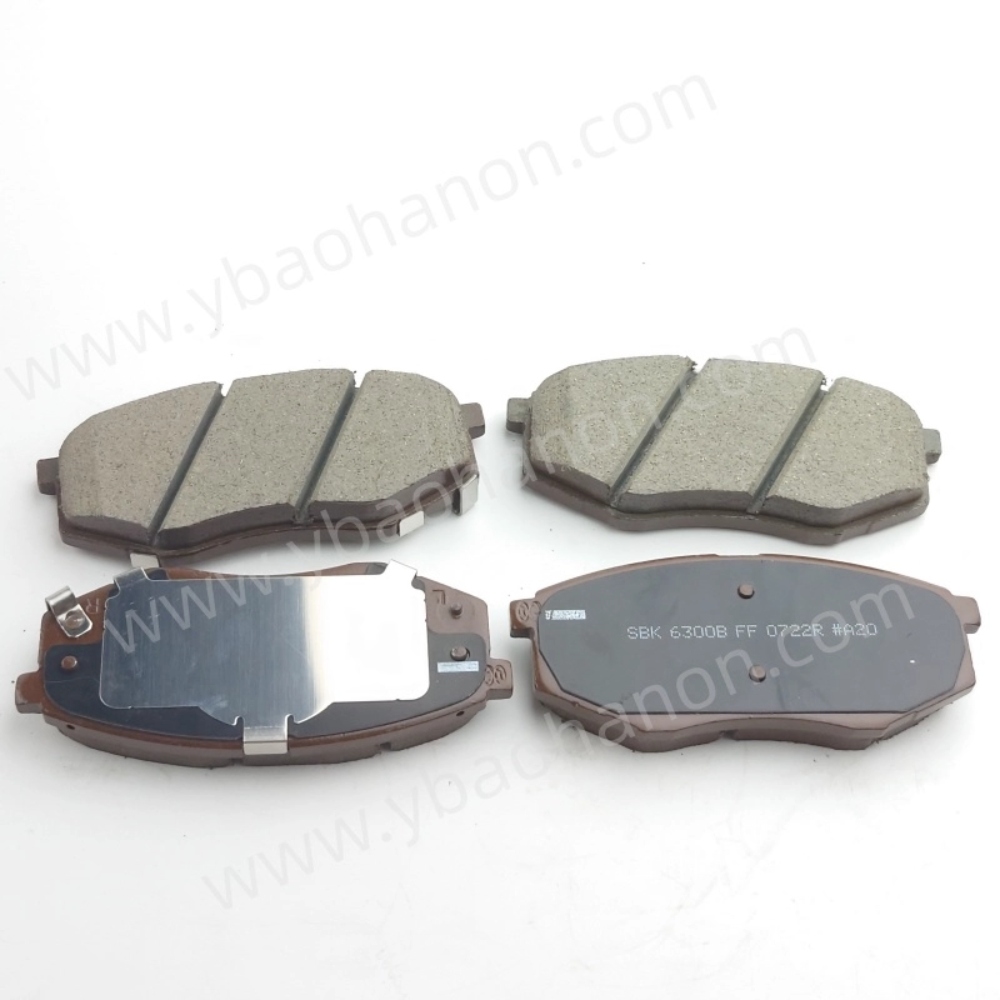
STARIA lists 58101-2SA30 as a PAD KIT-FRONT DISC BRAKE with DEM NO. 58101-2SA30, Original packaging, HYUNDAI KIA MOBIS application, and MOQ 10.
| STARIA Product Data | Product Page Information |
| Product Name | 58101-2SA30 PAD KIT-FRONT DISC BRAKE |
| Part Name | PAD KIT-FRONT DISC BRAKE |
| DEM NO. | 58101-2SA30 |
| Brand | Original packaging |
| Application | HYUNDAI KIA MOBIS |
| MOQ | 10 |
STARIA 58101-2SA30 Pad Kit Recommendation
If you are sourcing for Hyundai and Kia front disc brake applications, STARIA’s 58101-2SA30 front disc pad kit is a practical product to review. It fits buyers who need part-number clarity, common repair demand, and small wholesale order flexibility. MOQ 10 is useful for trial orders, market testing, and repair-shop stock planning.
This recommendation is not about pushing one material for every driver. It is about starting with the correct application, then choosing the friction style that fits the customer’s road conditions.
How to Choose Reliable Brake Pads for Aftermarket Supply
How to Choose Reliable Brake Pads for Aftermarket Supply
The aftermarket buyer’s risk is not only low quality. Wrong fitment, unclear product data, unstable supply, and weak after-sales handling can cost more than the pad itself. A box that looks cheap can become expensive after one wrong installation.
Fitment Accuracy and Part Number Matching
Always start with OE number matching, axle position, vehicle model, and year range. For brake parts, “close enough” is not good enough. A slight shape mismatch can cause poor contact, noise, uneven wear, or installation failure.
If you buy for export or regional distribution, keep a fitment note for every SKU. It should include part number, position, compatible application, MOQ, package details, and reorder lead time. This saves time when customers send a quick message from the repair floor.
Quality Control and Product Consistency
Consistency matters more than one perfect sample. A distributor needs stable pad thickness, backing plate shape, friction surface quality, and packaging. When customers reorder, they expect the same fit and feel.
STARIA’s profile presents the company as a Hyundai-Kia parts specialist with three factories and a warehouse, which supports its role as a practical source for replacement parts. For buyers, this kind of product coverage helps when you want brake parts along with filters, chassis parts, engine parts, and sensors.
Brake Pad Stocking Value for Distributors
For distributors, fast-moving brake items are strong inventory anchors. They bring repeat orders and open the door to related sales such as rotors, calipers, filters, sensors, and chassis parts.
A good stocking plan can split SKUs into daily repair items, high-demand model coverage, and special-order applications. In real warehouse work, the best SKU is not always the one with the highest margin. Sometimes it is the one that moves steadily every week and keeps repair-shop customers coming back. Anyone who has watched a counter salesperson hunt for a pad set at 5:50 p.m. knows this is true.
Choose STARIA Brake Parts with Service and Contact Support
When the market asks for safer replacement parts, faster sourcing, and better fitment support, you need a partner that can handle more than one product category. STARIA’s product range covers brake systems, filters, ignition systems, sensors, engine parts, chassis parts, transmission oil, air-conditioner parts, and cooling systems, matching many Hyundai and Kia repair needs. The product navigation on STARIA’s site also lists these categories across its product pages.
STARIA Auto Parts Product Coverage
Brake items rarely sell alone. A buyer sourcing front disc pads may also ask for filters, oxygen sensors, ignition coils, water pumps, suspension parts, or cooling system parts. STARIA’s wider coverage helps you build a more complete Hyundai and Kia aftermarket offer.
This matters for importers and wholesalers because every extra category can reduce sourcing time. Instead of handling many small quotes from different places, you can build a cleaner product list around repeat repair needs.
Service and Backup for Global Buyers
STARIA’s solution center can support buyers who want to review product options, sourcing cases, and category planning. For brake products, that support should focus on fitment checks, part number confirmation, and model-market matching.
A good service process should answer basic but important questions: Is this front or rear? What is the OE number? What is the MOQ? Is the packaging suitable for resale? Can related products be shipped together? Simple questions, but they decide whether an order runs smoothly.
Contact STARIA for Brake Pad Sourcing
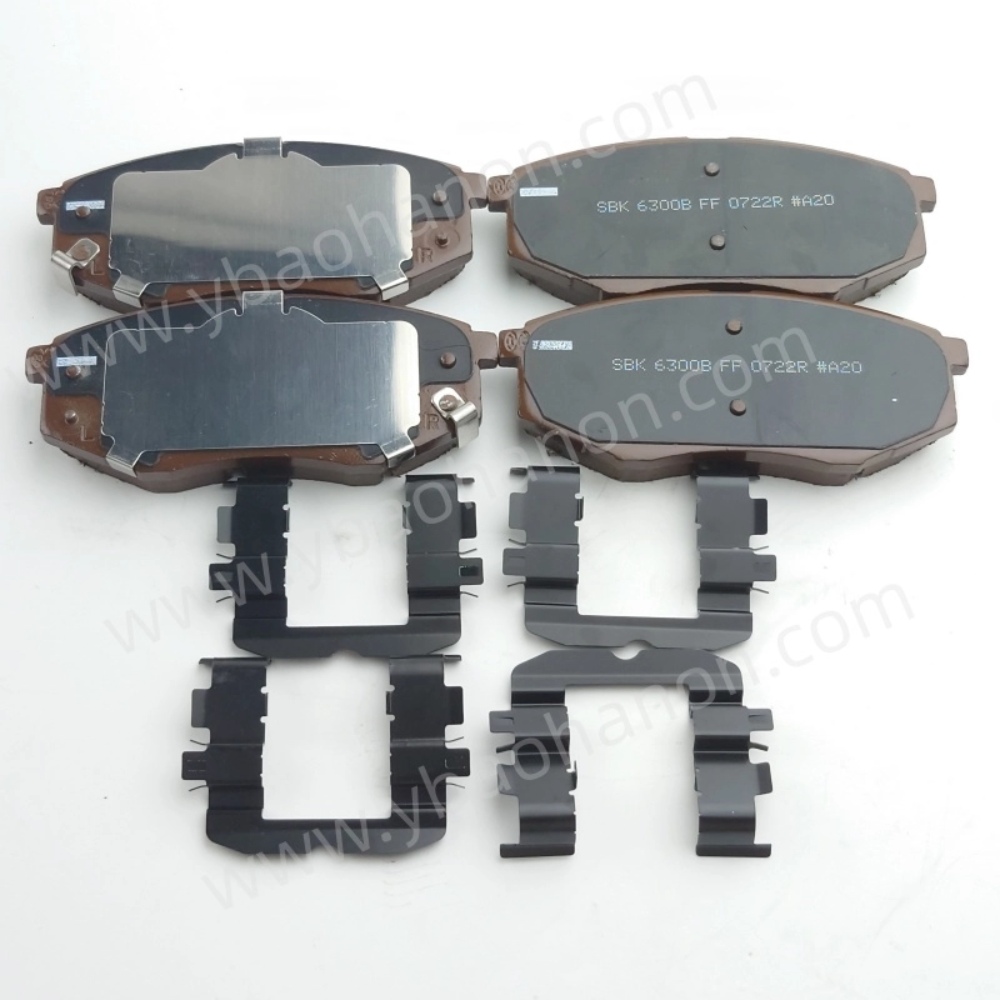
In the end, the right Brake Pads should match the vehicle, driver, road, and business model. Ceramic pads fit buyers who want quiet, clean, comfortable braking. Semi-metallic pads fit buyers who need stronger bite and better heat handling. For Hyundai and Kia front disc applications, STARIA’s 58101-2SA30 pad kit is worth adding to your sourcing review.
For product service, fitment support, or order discussion, you can reach the STARIA contact team and ask for the correct brake system solution for your market.
FAQ
Q: Which Brake Pads are better, ceramic or semi-metallic?
A: Ceramic pads are usually better for quiet daily driving, low dust, and comfort. Semi-metallic pads are often better for stronger braking, higher heat, and heavier use.
Q: Is 58101-2SA30 a front or rear disc brake pad kit?
A: STARIA lists 58101-2SA30 as a PAD KIT-FRONT DISC BRAKE, with application for HYUNDAI KIA MOBIS and MOQ 10.
Q: How should distributors choose brake pad stock?
A: Start with part number matching, axle position, vehicle coverage, local driving habits, and reorder frequency. Then stock ceramic and semi-metallic options based on customer demand.