

Top 4 Symptoms of a Failing Drive Belt Tensioner in Your Kia
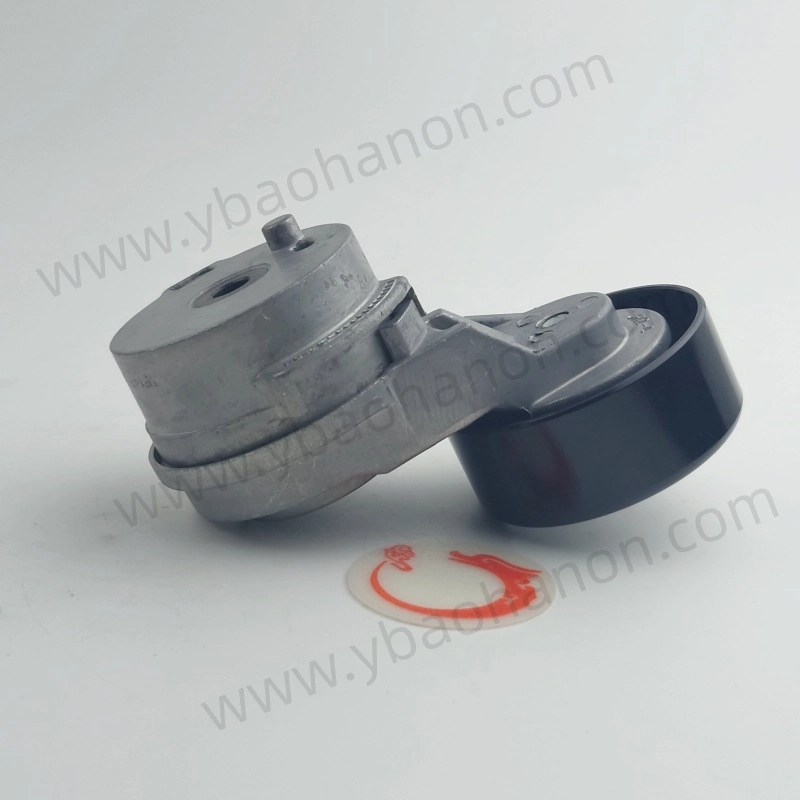
When you maintain a Kia engine system, the Drive Belt Tensioner deserves more attention than it usually gets. It is a compact part, but it helps the accessory belt stay tight enough to drive key engine-side components in a stable way. Once tension drops, the belt may squeal, wander on the pulley, or start causing wider accessory-drive problems. For workshops, distributors, and overseas buyers, that makes early inspection far more practical than waiting for a belt failure on the road. STARIA focuses on Hyundai and Kia aftermarket supply, and its product range is built around common repair needs in these vehicle families.
Introduction
Through STARIA, you can see a supplier positioned around Hyundai and Kia spare parts, with product lines that cover engine parts, chassis parts, filters, sensors, cooling parts, air-conditioning parts, and more. STARIA’s internal company structure materials also describe a wider brand matrix. This includes NEO CTR for chassis-related items, HANON SYSTEMS for thermal management, YBAOH for Hyundai/Kia engine and repair parts, and VIVN for broader Hyundai/Kia category coverage. The same materials describe a China-based operating layout with Beijing, Hebei, Anhui, and Qingdao as strategic nodes, plus warehouse, manufacturing, and cross-border distribution functions.
With more than 40,000 square meters of warehousing, over 200 employees, four strategic nodes, and annual revenue above USD 30 million. STARIA makes a difference when you source repair parts at scale, because product consistency, supply rhythm, packaging, and technical response all affect your resale reputation. In this article, you will see the four warning signs that matter most, how they connect with actual belt-drive behavior, and why STARIA’s Kia-focused product option is worth considering when a replacement is due.
|
2024 China Automotive Parts Trade Snapshot |
Value |
Why It Matters to You |
|
China automotive components and parts exports |
USD 93.43 billion |
A large global supply base supports broad aftermarket sourcing. |
|
China automotive components and parts imports |
USD 26.97 billion |
The market still depends on cross-border parts flow and quality matching. |
Official China Customs figures show that automotive components and parts remained a very large trade category in 2024. That scale is one reason why buyers pay closer attention to correct part numbers, stable suppliers, and practical after-sales support.
Why the Drive Belt Tensioner Matters in Your Kia
Before looking at failure signs, it helps to connect the part with the system around it. A tensioner does not work alone. It supports belt contact, pulley tracking, and the steady transfer of motion across the accessory drive. If that balance shifts, the symptoms often show up before the belt actually comes off.
Stable Belt Tension for Engine Accessories
Your Kia’s accessory belt depends on consistent tension. When the spring force in the tensioner weakens or the unit no longer reacts smoothly, belt grip can drop. That may create slip, squeal, or unstable movement under changing engine load. Gates notes that belt squeal can point to insufficient tension, while Dayco also treats tension loss as a key sign of a failing belt-drive system.
Proper Pulley Alignment and Belt Tracking
A healthy tensioner helps the belt remain centered on the pulley face. When internal wear develops, the belt can start tracking near an edge or drifting off-center. Dayco identifies improper belt tracking as a clear sign of tensioner misalignment, often linked with bushing wear. This matters because tracking problems can wear the belt unevenly, shorten its service life, and create noise that appears only under certain speeds.
STARIA Replacement Planning for Kia Applications
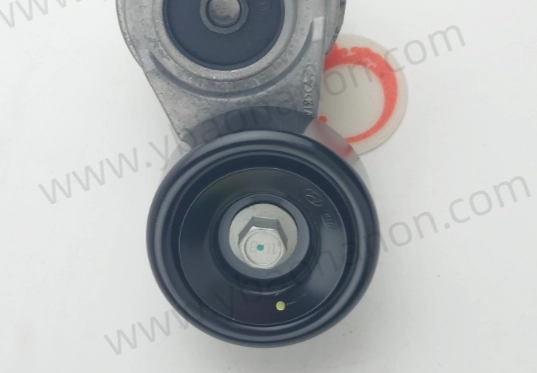
When inspection points toward a replacement, STARIA offers the 25281-2B010 TENSIONER ASSY-PULLEY. The product page lists OE number 25281-2B010, type HYUNDAI KIA MOBIS, application Engine System, and packaging of 10 pieces per box. For importers, repair chains, and parts distributors, that type of listing makes quotation and stock planning easier because the product reference is clear from the start.
Symptom 1: Squealing or Chirping Noise From the Engine Bay
Noise is often the first warning you notice. It may appear during cold starts, when engine load changes, or when the belt is asked to drive accessories after a period of rest. A short sound can be easy to dismiss, especially if it disappears after a few seconds, but repeated noise deserves inspection.
Cold-Start Belt Noise
A sharp squeal or chirp shortly after startup can point to slipping caused by low belt tension or uneven belt contact. Gates links squeal with insufficient tension, and Dayco notes that belt noise often comes from system issues such as misalignment or loss of tension rather than the belt alone. When the sound repeats over several starts, the tensioner should be checked together with the belt and pulleys.
Acceleration-Related Chirping Sounds
If a chirp appears when you accelerate, the accessory drive may be reacting to changing load. The belt may momentarily lose stable contact, especially if the tensioner spring has weakened or pulley alignment has shifted. Dayco explains that belt-drive noise can be tied to slip and alignment issues, which means a sound that comes and goes under throttle changes is not something to brush aside.
Pulley Wear and Tension Loss Indicators
Noise can also come from a worn tensioner pulley bearing. Gates advises rotating the pulley with the belt removed during inspection. If you feel roughness, hear noise, or notice resistance, bearing wear may be present. At that stage, replacing the full tensioner assembly is usually more sensible than treating the pulley as an isolated problem.
Symptom 2: Visible Belt Flutter, Cracks, or Misalignment
Once the belt starts moving in a way it should not, you are looking at a more visible warning. This stage is important because a belt that walks across a pulley face can continue damaging itself every time the engine runs.
Side-to-Side Belt Movement
If the belt flutters or shifts side to side while the engine is running, the problem may be more than a worn belt. A weak or unstable Drive Belt Tensioner can fail to keep the belt loaded in a controlled way. That movement adds stress to the belt ribs and may create a repeating slap-like motion under certain operating conditions. Gates lists abnormal tensioner arm movement and misalignment among the signs that point toward tensioner trouble.
Uneven Belt Edge Wear
Frayed belt edges, unusual rib wear, or polishing on one side of the belt often mean that the belt is not running squarely across the pulley system. Dayco directly connects off-center tracking with tensioner misalignment. This is one of those service details that matters more than it first appears: a belt may still look usable from above, yet show early damage along one edge once removed.
Tensioner-Related Belt Tracking Problems
Tracking problems also create the risk of replacing the belt without solving the root cause. A new belt installed on a worn tensioner can begin making noise again in a short time. Dayco warns that when a newly installed serpentine belt becomes noisy, the problem often sits elsewhere in the front-end drive system. That is why checking the tensioner, pulley alignment, and accessory path together gives you a better repair decision.
Symptom 3: Weak Accessory Performance and Charging Instability
A tensioner issue does not always announce itself only through sound. Sometimes you notice it through the behavior of other systems. When belt control becomes poor, accessory output can become less reliable, especially when the engine faces changing load.
Alternator Drive Irregularities
The alternator depends on belt rotation. If belt grip falls because the tensioner cannot hold steady load, charging performance can be affected. Dayco notes that an accessory within the drive system may stop working completely when tension loss becomes severe. Before that point, the system may show smaller signs such as intermittent operation or unstable output during load changes.
Air-Conditioning and Steering Performance Drops
On vehicles where the accessory drive supports these functions, a slipping belt can contribute to weak performance. You may notice the air-conditioning response feels less steady, or steering assistance behaves differently at low speed if belt-driven components are affected. The exact symptom depends on the vehicle layout, but the general service logic stays the same: if the belt drive is not stable, the accessories it turns may not behave normally.
Delayed Replacement Risks for Kia Owners
The longer a weak tensioner remains in service, the more likely it is to damage the belt, worsen pulley wear, or create repeat noise after a belt swap. This is where STARIA’s Kia-focused repair positioning becomes useful. A buyer who stocks matched engine-system parts can respond faster when a repair shop needs more than a belt alone. STARIA’s broader Hyundai/Kia parts framework, described in its company materials, supports that kind of supply model.
|
Symptom |
What It Often Points To |
Why It Matters |
|
Squeal or chirp |
Low tension, misalignment, or bearing wear |
Noise often appears before a larger failure. |
|
Belt tracking off-center |
Tensioner misalignment or bushing wear |
The belt can wear unevenly and fail sooner. |
|
Rough pulley rotation |
Pulley bearing wear |
Full tensioner replacement may be needed. |
|
Accessory function drops |
Tension loss in the belt drive |
Related engine-side systems may lose stable drive input. |
These comparisons follow published diagnostic guidance from Gates and Dayco on belt noise, tracking, pulley wear, and tension loss.
Symptom 4: Tensioner Arm Vibration or Rough Pulley Rotation
This group of signs often appears during a closer workshop inspection. They matter because they show the mechanical part itself is no longer moving as it should. At this point, the issue is less about suspicion and more about confirming wear.
Excessive Tensioner Arm Movement
If the tensioner arm vibrates too much, moves irregularly, or does not settle cleanly during operation, internal wear may be present. Gates lists abnormal arm movement as a common signal of tensioner failure. This type of motion can also make the belt appear unstable, even when the belt is not yet cracked or heavily worn.
Bearing Noise and Rough Pulley Operation
A rough or noisy pulley is another practical inspection point. Gates recommends checking pulley rotation with the engine off and the belt removed. Noise, resistance, or roughness can point to bearing damage. If you reach this stage, the Drive Belt Tensioner is no longer just a possible cause of the problem. It becomes a direct replacement candidate.
Replacement Considerations for STARIA 25281-2B010
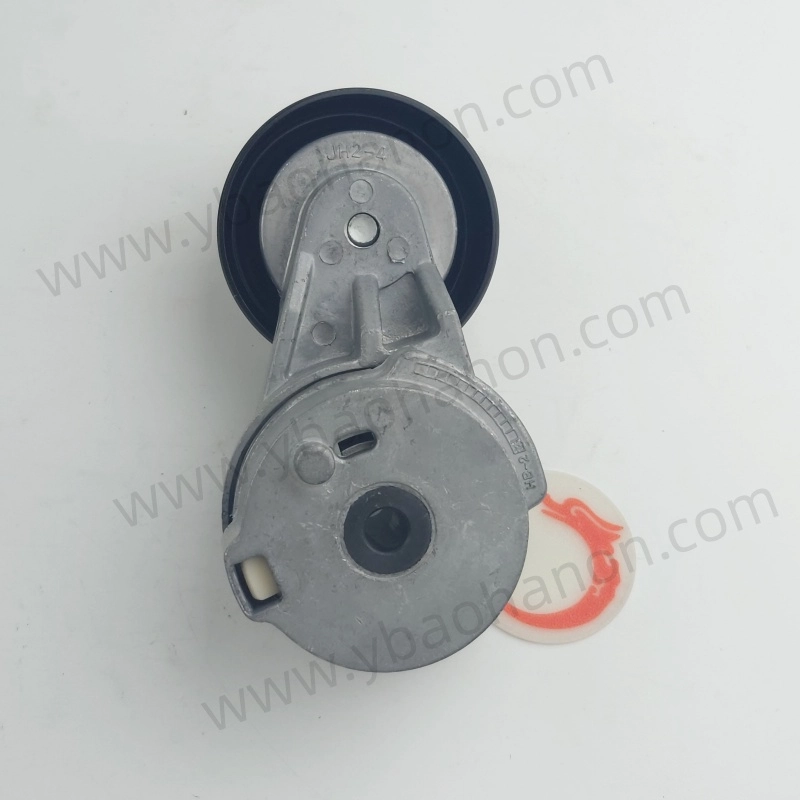
When your inspection confirms the need for replacement, part clarity matters. STARIA’s 25281-2B010 option is presented as an engine-system tensioner assembly for Hyundai/Kia service use, with a clear OE reference and packaging detail on the product page. That reduces back-and-forth during sourcing, especially when you prepare export quotations, workshop restocking, or repeated wholesale orders.
Contact STARIA for Kia Tensioner Service and Parts Support
A symptom list is useful, but buyers also care about what happens after the diagnosis. You need product matching, stable communication, and support that does not stop at the checkout page. STARIA’s Service & Backup section presents its service direction around global auto parts cooperation, customized support, quality commitment, and customer-facing FAQ resources.
Product Matching for 25281-2B010 Applications
The right match starts with the right reference. You should compare the OE number, engine-system application, and your target repair demand before placing a bulk order. The 25281-2B010 listing gives a direct basis for this step. That is especially helpful when you handle Kia-focused stock lines and want to reduce confusion between visually similar pulley-related parts.
Professional Service for Overseas Auto Parts Buyers
Online sourcing can create real risk when product information is unclear or when counterfeit parts are hard to spot. The reference article provided in the attachment highlights two common concerns: misinformation in product cataloging and counterfeit auto parts in online purchasing. For trade buyers, that makes supplier response, part-number discipline, and service guidance more important than a low quote alone.
Contact, Quote Requests, and After-Sales Support
When you need fitment discussion, quotation support, or follow-up service, the Contact Us page gives a direct route to STARIA. The page invites questions, comments, and feedback, and lists the company’s contact channels. This is the right next step when you want to discuss the 25281-2B010 item, build a Kia repair-parts order, or compare related engine-system products.
A failing Drive Belt Tensioner rarely becomes a serious repair problem overnight. It usually gives you signs first: noise, belt movement, tracking changes, accessory-drive trouble, or rough pulley rotation. When you act on those signs early, you lower the risk of repeat repairs and parts mismatches. For Kia aftermarket supply, STARIA’s 25281-2B010 product offers a clear, part-number-based option that fits a practical sourcing conversation.
FAQ
Q: What is the most common early sign of a bad Drive Belt Tensioner?
A: Repeated squealing or chirping from the accessory belt area is one of the earliest warning signs. It often points to low tension, misalignment, or pulley-related wear.
Q: Can a new belt still make noise if the tensioner is worn?
A: Yes. Dayco notes that noise after a new serpentine belt installation often means another part in the front-end drive system still has a problem. The tensioner and pulley path should be checked together.
Q: Why choose STARIA’s 25281-2B010 TENSIONER ASSY-PULLEY for Kia-related sourcing?
A: The product page provides a clear OE number, Hyundai Kia Mobis type, engine-system application, and packaging information. That gives buyers a cleaner basis for quotation, stock planning, and fitment discussion.


