

58302-3XA30 vs. Aftermarket Alternatives: Is It Worth Buying Genuine Hyundai Brake Pads?
Every car owner deals with the tough task of balancing money spent and safety kept during regular check-ups. When your repair person says you need a fresh 58302-3XA30 back brake pad set, you may want to hunt for the lowest cost choice out there. But picking between a top choice like the 58302-CGA30 and a plain aftermarket piece means more than just checking the cost. Your pick affects how far you stop, how comfy you feel, and the ongoing well-being of your stop setup.
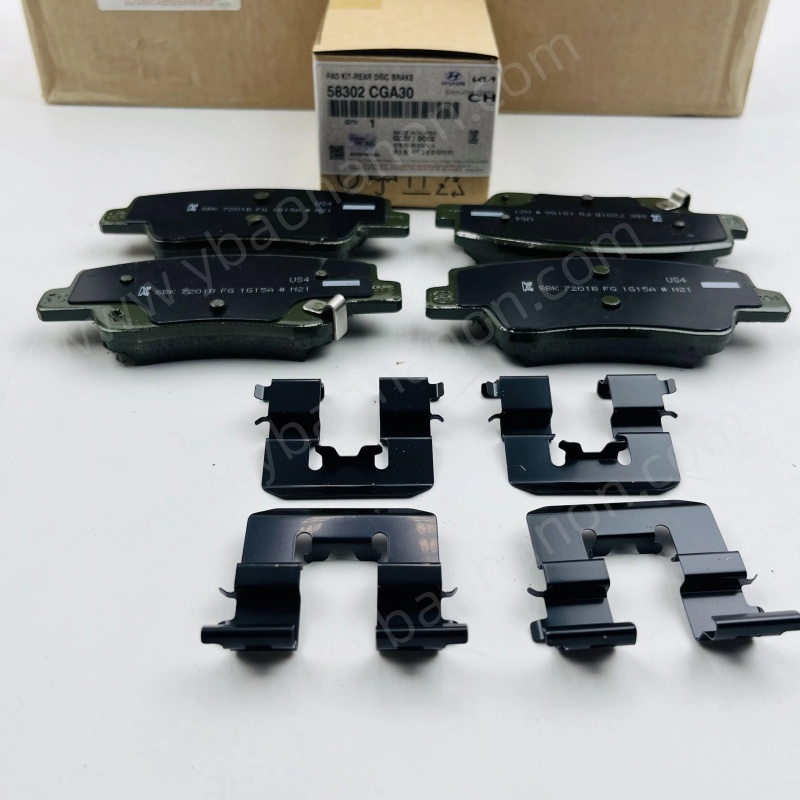
Meet Your Expert Partner: YBAOH
Before we get into the details of your stop setup, it helps to know who shares this clear view. YBAOH stands as more than a seller; we form a committed group of car experts who focus daily on careful building skills. We understand that when you look for a certain piece, you seek more than just some metal and rubbing stuff—you seek calm feelings. With many years working in the worldwide car parts field, we have noticed how the correct piece can stretch out the time a car runs well. We work to close the space between high dealer costs and the usually shaky worth of unknown brand pieces. Our way centers on people: we hear the complaints from car drivers who face loud stops or early damage. This pushes us to pick items that hit strict rules. When you decide to team up with us, you pick a helper who cares about your safety just like you do. We think that expert-level tools should reach everyone, and we apply our skills to make sure each set we send gives a spot-on match and steady work for your exact car type.
In addition, our deep knowledge comes from hands-on time in factories and shops where we test parts under real road conditions, ensuring that every recommendation we make draws from proven results rather than just book learning. We also keep up with changes in car designs, like how newer Hyundai models shift toward lighter materials that need pads with better heat control to avoid quick breakdowns. This ongoing learning lets us guide you away from common traps, such as buying pads that look cheap but lead to bigger repair bills down the road. For instance, we have helped countless drivers who thought saving a few dollars upfront would work out, only to find out that mismatched parts caused uneven tire wear or even dashboard warnings that grounded their cars for days. By sharing these stories, we hope to build trust and show why sticking with reliable sources like ours makes a real difference in your driving routine. Ultimately, our goal stays simple: to make sure you get parts that not only fit but also perform as the car makers planned, keeping your trips smooth and worry-free no matter the distance.
Analyzing the Performance of 58302-3XA30 and 58302-CGA30
The back stop setup in your car holds a key spot in keeping things steady. Even though the front stops take most of the halt power, the back pads make sure the car stays even and halts in a direct path. For this reason, a clear set like the 58302-3XA30 gets built with exact rubbing rates.
The Engineering Behind the Part Numbers
Every code stands for a certain group of needs. Take the 58302-3XA30, for example—it suits high-use family cars that call for steady work in busy urban halt-start driving. On the other hand, the 58302-CGA30 fits fresher bases that may have varied clamp forces or digital hold-stop setups. If you pick a plain pad that says it works for everything, you face the chance of missing the fine tuning that the first builders meant. These differences matter because cars today rely on connected systems where brakes talk to computers for better control, and a wrong pad can throw off those signals, leading to less smooth rides or even error codes that light up your dash unexpectedly.
Why the “Kit” Matters More Than the Pad
When you get a 58302-D4A50 PAD KIT-REAR DISC BRAKE or a 58302-H5A00 PAD KIT-REAR DISC BRAKE, you buy more than the rubbing pads alone. You buy a full group. These sets usually come with noise-stop clips, backing layers, and at times special slick stuff. A usual slip-up with low-cost aftermarket picks is leaving out these tiny but needed bits. Putting old, rusted clips back with new pads sets up uneven damage and bothersome squeaks. Think about how these small parts work together: the clips hold everything in place during turns, while shims cut down on shakes that could make your whole car feel unstable, especially on bumpy roads where every bit of vibration counts toward a safer feel.
The Hidden Risks of Low-Quality Aftermarket Alternatives
You can spot a small cost on the web and believe you found a great deal. Yet, the real price of a brake pad shows up over its full run time. Bottom-level aftermarket pieces often stick with weak glue stuff and spotty rubbing mixes that give out under stress.
Heat Dissipation and Brake Fade
Your stops turn motion power into warmth. Fine sets like the 58302-D7A00 PAD KIT-REAR DISC BRAKE get made to deal with high warmth without dropping their hold. Low pads often hit “brake fade,” a risky spot where the stuff heats too much to make rub. This stretches your halt path right when you need it shortest. In real drives, this fade can turn a simple stop into a scary slide, especially on wet streets where every second counts for avoiding bumps or other cars ahead.
Noise, Vibration, and Harshness
One of the top gripes from drivers who pick plain pieces is sound. Expert choices, like the 58302-CGA30 PAD KIT-RR DISC BRAKE, hold many-sheet backings made to quiet shakes. Without them, each time you press the stop pedal, you could hear a sharp squeak that shows the pad shakes against the clamp part. This not only annoys but also wears parts faster, turning what should be a quiet ride into a constant reminder of a bad choice, and over time, it might even point to bigger issues like loose fittings that need full fixes.
Why Quality Materials Define Your Driving Experience
The stuff in your brake pads shapes how your car acts each time you ease off speed. Whether you fit the 58302-S1A50 PAD KIT-REAR DISC BRAKE or the 58302-1RA30 PAD KIT-RR DISC BRAKE, the mix of the ceramic or half-metal blend holds great weight.
Protecting Your Rotors
A pad too stiff will work like a sander on your stop rotors. The pad may run long, but it grinds down your costly rotors too soon. A even set, like the 58302-3XA30 PAD KIT-RR DISC BRAKE, gets planned as the “wear-out” bit of the setup, rubbing away at a watched speed to guard the pricier metal bits in your car. This smart design keeps repair costs low over years, as rotors last longer when paired with pads that match their hardness just right, avoiding the deep grooves that cheap pads often cause after just a few months of use.
Dust Control and Cleanliness
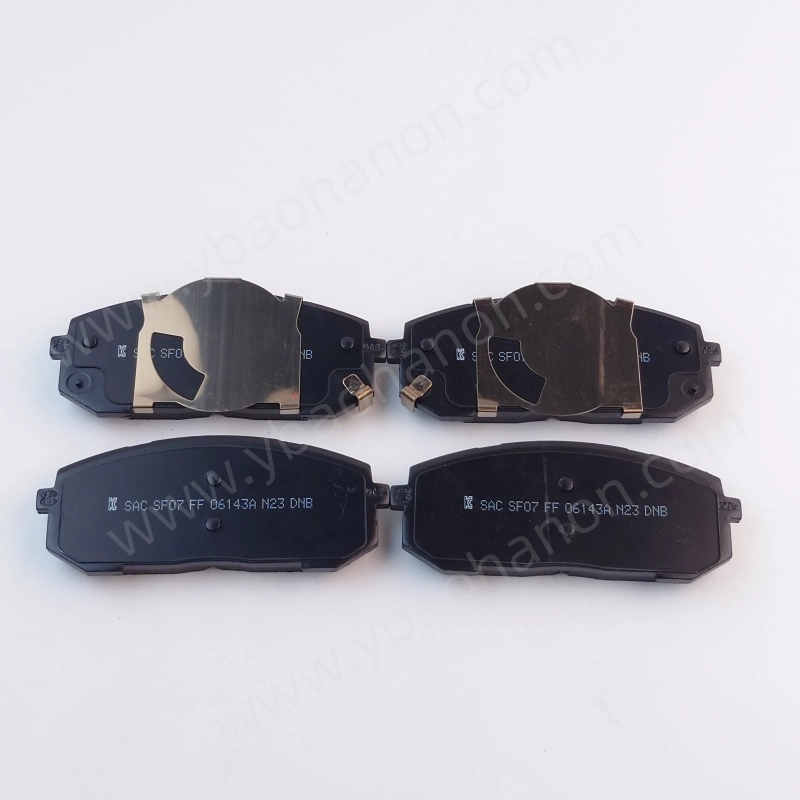
Today’s drivers like wheels that keep spotless. Strong sets like the 58302-3SA20 PAD KIT-RR DISC BRAKE use fresh ceramic blends that make little powder. This powder also lacks bite, so it will not mark or harm the shine on your metal wheels. Low picks often make thick, dark, metal powder that sticks to your edges and proves hard to clean off. Beyond looks, less dust means less mess in your garage and on your driveway, plus it helps keep your brakes cooler by not building up layers that block air flow during long drives in hot weather.
Practical Steps to Choosing the Right Replacement
Picking the correct piece takes some looking, but it spares you the pain of another fix cost. You always start by checking your VIN (Vehicle Identification Number) to see if your car asks for the 58302-3XA30 or another kind. This step seems basic, but it stops big mistakes, like ordering parts that sit unused because they do not match your engine size or wheel setup, saving you time and shipping fees that add up quickly.
Checking for Compatibility
Do not think that if a pad seems the same, it will work the same. The width of the hold plate and the spot of the wear markers fit each type exactly. For one, a 58302-D4A50 PAD KIT-REAR DISC BRAKE shows varied body sizes than other lines, and pushing a “near match” can end in a jammed clamp. These fits matter for safety, as wrong sizes can lead to parts rubbing where they should not, causing heat spots that weaken the whole system over time and possibly triggering warning lights during important trips.
The Value of Professional Guidance
If you wonder if your car wants the 58302-H5A00 PAD KIT-REAR DISC BRAKE or the 58302-D7A00 PAD KIT-REAR DISC BRAKE, you turn to pros who reach the newest match lists. Getting it correct first skips the wait time of your car stuck up high while you hold for a new piece. Experts like those at YBAOH can also explain how these parts tie into your car’s overall health, such as how better pads reduce strain on batteries in hybrid models or improve fuel use by cutting drag from worn components.
Longevity and Total Cost of Ownership
If you grab a low set of pads for $20 but swap them after 10,000 miles, you spend more on work and hours than if you picked a good set from the beginning. A top 58302-S1A50 PAD KIT-REAR DISC BRAKE gets made to last past thousands of warmth rounds. This long run means fewer shop visits, less time off the road, and more money in your pocket for things like family outings rather than surprise fixes that pop up at bad times.
Consistent Braking Performance
Safety goes beyond halting once; it covers halting the same way each time. Whether you drive in strong rain or great heat, a fine set like the 58302-1RA30 PAD KIT-RR DISC BRAKE gives a known pedal touch. This sameness lets you drive with sureness, knowing just how your car will act in a pinch. In daily life, this means smoother stops at lights, better control on hills, and less worry when carrying passengers who count on you to keep things steady.
Peace of Mind with Every Stop
In the end, the pick to use a trusted piece like the 58302-3SA20 PAD KIT-RR DISC BRAKE centers on the folks in the car. When you put money into a right set, you put money into the safety of your loved ones and the steadiness of your everyday path. This choice builds habits that last, teaching even young drivers the worth of quality over quick saves, and it often leads to better insurance rates since safe cars show fewer claims over the years.
Contact Us for Expert Support Picking the right stop bits can seem too much, but you do not face it by yourself. If you need aid spotting the true piece or wish to know more about what we stock, get in touch with our group at www.ybaohanon.com. We stand ready to give the clear tech info and strong parts your car earns. Our support goes beyond sales—we offer tips on upkeep schedules, like when to pair pad changes with fluid checks, and we even share guides on spotting fake parts online to keep your buys safe and smart.
FAQ
Q: Can I use the 58302-3XA30 kit if my car originally used a different part number?
A: No, you should always stick to the part number specified for your VIN. Even if the pads look similar, slight differences in thickness or the friction compound can affect the balance of your braking system and the functionality of safety features like ABS. These small changes might seem minor, but they can shift how power spreads between front and back, leading to pulls during hard stops or issues with electronic aids that rely on exact feedback from every part.
Q: Why do some aftermarket kits not include the metal clips and shims?
A: Many budget manufacturers omit these parts to lower the price. However, these components are essential for preventing noise and ensuring the pads move freely within the caliper. Choosing a complete kit like those provided by YBAOH ensures you have everything needed for a professional installation. Without them, you might face extra costs later for quiet fixes or even full caliper rebuilds if things bind up from poor movement.
Q: How often should I check the wear on my rear brake pads?
A: It is a good habit to inspect your pads every 10,000 to 15,000 miles, or during every tire rotation. If you notice a thin friction layer (less than 3mm) or hear a squealing sound, it is time to look for a replacement kit such as the 58302-CGA30 to maintain your vehicle’s safety. Regular looks help catch problems early, avoiding sudden failures that could strand you or worse, and they tie into overall car care like checking belts or fluids at the same time for full peace.


