

Why is Your Hyundai Accent Squeaking? The Complete Guide to Brake Pad 58101-1RA00
Driving your Hyundai Accent ought to feel easy and free from sounds. Yet, nothing proves more bothersome or worrying than a sharp squeak each time you push down on the brake pedal. If you have picked up on a steady chirping noise, a rough scraping, or even a minor shake when you slow the car, then your vehicle is signaling a key message to you. For numerous owners of Hyundai and Kia cars, such clues lead straight to the state of the front brakes, in particular the 58101-1RA00 parts. These noises do not just appear out of nowhere, and paying attention to them early can keep you from facing bigger troubles down the line, ensuring your drives remain safe and pleasant.
Putting off these noises affects far more than your daily trips; it puts your well-being at risk and results in costly fixes later on. In this guide, we will look into the reasons behind the brake sounds in your car, the ways to spot exact signs of damage, and the benefits of selecting a top-grade swap like the ones from YBAOH to support your car’s lasting performance. By understanding these elements, you can take steps that protect both your wallet and the road ahead, making sure every stop feels secure and quiet.
1. Common Symptoms of Worn 58101-1RA00 Brake Pads
When your vehicle begins to produce sounds, it seldom happens without cause. Today’s brake setups include planned alerts to warn you prior to a full breakdown. Spotting these clues soon lets you handle the problem before it grows into a risky spot while driving. This kind of awareness not only saves time but also keeps your family safe during everyday commutes.
The “Telltale” Squeal of Wear Sensors
The usual noise you encounter is a regular, piercing squeal. This often comes from a tiny metal strip called a wear indicator. As the rubbing layer on your pad thins to a certain point, this strip brushes the rotor, making a “chirp” that quiets when you press the brakes or stays on all the time. If you rely on basic components, this noise serves as your initial alert that you need to seek a dependable 58101-1RA00 brake pad to bring back peace and security. Ignoring it might lead to uneven wear, so checking promptly makes a real difference in how smoothly your car runs over the next few months.
Vibrations and Steering Wheel Pulsing
Have you noticed a steady tremble in the steering wheel or the brake pedal as you ease off the speed? This kind of pulsing usually shows that your pads are thinning in spots or have built up residue on the rotor face. Such uneven spots break the even touch needed for good stopping. Once the rubbing part loses its strength, it fails to hold the disc in a balanced way, causing a “shudder” that cuts down on your grip of the car. This issue can worsen with time, so addressing it early helps maintain the reliable feel you expect from your Hyundai.
The Danger of Metal-on-Metal Grinding
If the squealing has shifted to a low, grating scrape, you have probably passed the stage for easy fixes. This noise indicates the rubbing layer has vanished, and the metal base is now scraping right against the brake disc. That not only ruins your rotors but also stretches out how far it takes to stop. Moving to a solid choice from a reliable source like YBAOH makes sure you avoid hitting this serious level of breakdown. By acting before this point, you spare yourself from urgent repairs and keep your driving habits steady and safe.
2. Why Your Hyundai Accent Squeaks: Beyond Just Wear
It proves wrong to think that only slim pads bring on noises. Various outside and inside factors play a role in how quiet your brakes stay. Grasping these elements aids you in picking a product that tackles the main reason for the sound, not merely the outward signs. This deeper look can guide your choices and lead to longer-lasting results for your vehicle’s setup.
Dust Accumulation and Debris
While you drive, the contact between the pad and the rotor creates small bits of dust in a natural way. If the pad’s shape does not guide this dust out well, it piles up inside the caliper area and on the rubbing side. This collection forms a shiny coat that shakes at quick rates, leading to that irritating squeak. Designs built for strong work focus on clearing dust to keep the touching spot free from buildup. Regular cleaning and smart choices here prevent the noise from returning soon after a fix.
Material Quality and Heat Dissipation
Every rubbing mix does not come out the same. Cheaper store-bought types frequently include rough metal threads that rust easily and make sounds. When these pads heat up in busy traffic or on slopes, they turn hard or smooth like glass. This shift in how the material acts stands as a main reason for brake noises. YBAOH puts work into better material knowledge to guarantee that, even when facing high warmth pressure, the pads hold their form and stay silent. This attention to detail means fewer surprises and more dependable stops in all kinds of weather.
3. The Cost of Delay: Protecting Your Rotors
A frequent query from drivers goes like this: “Can I put off the repair for a bit longer?” Though it may seem appealing to wait on upkeep, the link between your pads and rotors turns putting it off into a pricey choice. Understanding this connection shows why quick action pays off in both safety and savings over time.
Preventing Rotor Scoring
The 58101-1RA00 standard aims to offer a layer that wears away on purpose. The pad gets built to thin out so the rotor can stay strong. But after the rubbing part runs out, the steel base works like a tool that cuts deep lines, or “scores,” into the rotor side. Once the rotor faces heavy scoring, it cannot get smoothed or fixed and needs full replacement. Choosing pads that last helps dodge this damage and keeps your brake costs down for years.
Financial Advantages of Early Replacement
Caring for your brakes boils down to basic numbers. One set of good pads costs little in the big picture. Yet, if you skip the first alerts, you end up buying new rotors, fresh calipers, and paying extra for work at the shop. By going with a carefully made item from the start, you guard the pricier pieces under your Hyundai Accent. This smart move not only cuts expenses but also boosts how well the car handles in daily use, giving you value that lasts.
4. How to Check Your Brake Pad Thickness (DIY Guide)
You do not always have to call a repair person to know if your brakes run low. A simple look can show you how much time remains in your present system. This hands-on check empowers you to stay ahead without extra trips to the garage, saving both time and money.
Visual Inspection through the Wheels
Plenty of current Hyundai Accent cars come with metal wheels that have gaps. This setup lets you view the brake caliper without taking off the tire. Search for the layered shape of the brake pad squeezed against the bright metal rotor. You focus right on the depth of the rubbing material, the section between the metal base and the disc. Doing this check during your routine stops gives a clear picture of what needs attention next.
The 3mm Rule
If the rubbing material looks like 3mm (roughly 1/8th of an inch) or thinner, your brakes near the close of their useful time. At that depth, the pad’s ability to release heat drops a lot, and the chance of the wear strip hitting the rotor rises. This marks the best moment to get a new set so your car remains fit for the road. Following this rule keeps you prepared and avoids last-minute rushes.
5. Why Choose YBAOH Premium Brake Pads?
When you consider the protection of your loved ones and how your car runs, the standard of your components counts a great deal. YBAOH has earned trust through careful work, strength, and solid knowledge of car needs. This commitment shows in every part we make, helping drivers like you enjoy worry-free travels.
Precision Engineering for a Perfect Fit
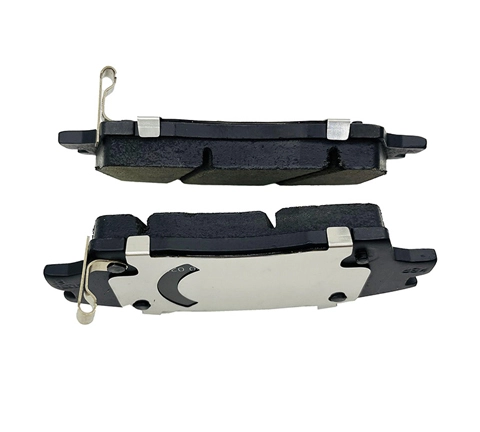
The 58101-1RA00 from YBAOH is no near-match item that sort of works. It gets produced to match factory measures exactly, so the sizes, clip spots, and base shapes line up with your Hyundai or Kia without fail. A spot-on fit brings no loose parts, no extra rubbing, and a simpler setup for you or the repair expert. This level of care means your brakes work right from day one, without the usual adjustment headaches.
Advanced Friction Technology
We use a smart mix of ceramic and semi-metallic elements made just for the load and stopping patterns of small and medium cars. This blend gets crafted to be kind to rotors, offering strong halt power while not wearing discs too soon. On top of that, our noise-reduction method includes several thin layers that soak up shakes before they turn into heard sounds. Such features make sure your drives stay calm, even in tough spots like rush hour or wet roads.
Reliability in All Conditions
No matter if you face hot summer days or wet, chilly winters, YBAOH items get checked to work well. Our pads keep a steady rubbing level over many warmth ranges. This stops “brake fade,” the risky state where brakes weaken after lots of use. With our goods, you receive the same sure stopping reach on the first mile as on the last one of a long trip. This steady output builds confidence, letting you focus on the drive rather than the mechanics.
Conclusion and Professional Service
Your Hyundai Accent merits a brake system as trustworthy as its power unit. A squeaking brake acts as a prompt to move, showing that your car’s safety buffers grow smaller. By fixing the sound now with a fine swap, you secure a hushed ride, improved steering, and reduced costs for upkeep in the future. Taking this step not only fixes the issue but also enhances your overall experience on the road, making every journey more enjoyable.
At YBAOH, we stand firm in aiding car drivers, sellers, and fix shops with leading brake answers. We go beyond supplying pieces; we deliver the calm feeling that arises from outfitting your vehicle with the top options. Our crew devotes itself to top work in building and helping customers, making certain each item we send out hits the peak worldwide marks. This dedication ensures you get parts that perform reliably, no matter where you drive.
Contact Us Today
Do you run a wholesale business seeking a steady flow of fine 58101-1RA00 pads? Or own a store that aims to give buyers a stronger pick over usual items? We stand ready to assist. Our shipping setup and expert help group prepare to meet your exact wants. Reaching out connects you with solutions tailored to your operation, boosting your business while keeping quality high.
Reach out to us right away to ask for a price or find out more on our whole line of goods. Let us aid you in making roads safer and quieter for all.
FAQ
Q: Will the 58101-1RA00 pad fit other vehicles besides the Hyundai Accent?
A: Yes, this specific OE part number is widely used across several models in the Hyundai and Kia lineup, including certain years of the Kia Rio. You should always verify your vehicle’s year and trim level to ensure a perfect match. Checking the details prevents mismatches and keeps your install smooth.
Q: How long do YBAOH brake pads typically last?
A: While lifespan depends on driving habits and environment, our pads are designed for high durability. On average, users see between 30,000 to 70,000 miles. Frequent city driving with constant stopping will wear pads faster than highway commuting. Factors like load and road type also play a role, so tracking your patterns helps predict when to replace.
Q: Why are my new pads squeaking even though they are thick?
A: If new pads squeak, it is often because they were not “bedded in” properly or the rotors were not cleaned during installation. It is essential to remove old grease and dust from the calipers and ensure the rotor surface is smooth to allow the new friction material to seat correctly. Following a proper setup routine right away can quiet things down and extend the life of your fresh parts.


