

Why Is Your Car Leaking Oil and How Can You Stop It for Good?
Introduction: Spotting the Signs of an Oil Leak
You pull into your driveway after a tough day. Then you spot a dark puddle under your car. That oily mark on the garage floor? It could be the start of real trouble. Oil leaks creep up on drivers like you. They often begin small. But they grow quick. You might see oily spots on your driveway. Or you catch a light burning smell on your drive to work. Maybe your dipstick reads lower than before. Or smoke drifts from the hood on a warm afternoon trip. These clues sting. They show something key is slipping out—your engine’s main fuel.
Skip them, and you face big risks. Low oil cuts off the slick flow your engine needs. That leads to parts rubbing raw. Pistons and bearings heat up bad. Then fixes jump from easy to huge. Your bank account hurts. And you sit stuck for days. But grab it soon. You flip the script. Simple moves and good parts put you back in charge. Your trips stay smooth and steady.
Think about this. You have tools in your garage and a free weekend. Or you plan a shop stop that fits your budget. Quality counts big. As a guy who’s fixed cars from everyday rides to old beaters, I’ve watched leaks come back too much. It happens when people pick cheap seals. Those warp fast in the heat. So I always send folks to YBAOH. They focus on car gaskets. And they give factory-level fit at lower costs. No dealer prices. Their stock acts like a pro tip. They build from tough mixes. Those handle engine heat and shakes. Seals stay tight over many miles. No extra talk. Just stuff that works. Backed by details for your model. Check their list. You find picks that make home swaps simple. You save time. And stress. It’s the trust that changes a drip headache to nothing. You buy once. Then forget the fuss. Believe me. After you use them, you’ll ask why you took less.
Now let’s dig into why this hits your car. And how you lock it down for real.
Common Causes of Oil Leaks in Your Vehicle
Oil leaks come from daily grind that piles up slow. Heat rounds dry out seals. Shakes loosen bolts. And time cracks what held strong. You drive a good rig. But bits like gaskets catch the worst. They block oil from slipping out at key points. Yet they wear out quick in hot spots.
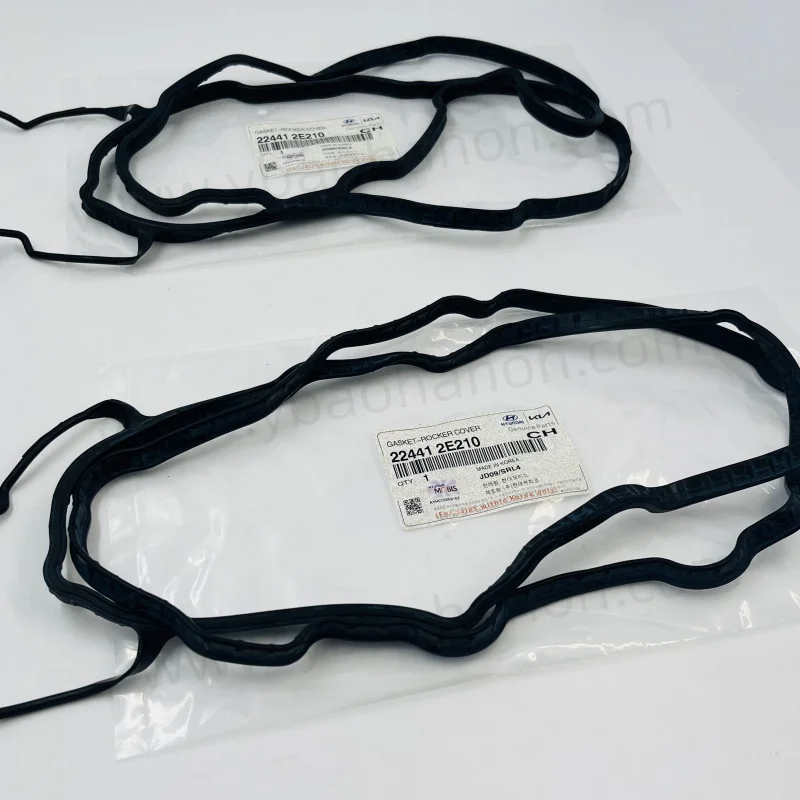
Look at the rocker cover gasket. It tops your valve cover. Oil sloshes inside there. But hot exhaust and steady push wear it down. Cracks show up. Oil drips free. It runs down the side. You notice when gunk builds on the edge. Or streaks head to the exhaust pipe. Cars with lots of miles make it worse. Say 100,000 miles. Seals get stiff. They lose bend.
Other areas add in too. The oil pan gasket down low takes road dirt and jolts from bumps. It splits from twists. Valve stem seals up top leak past old guides. That hits hard at start-up. Even drain plugs come loose from rough oil swaps. Drops fall out. Bad past fixes help too. Wrong parts shift. Gaps open. Leaks sneak in.
Grime and skips push it faster. Dirt blocks breather paths. Pressure builds. Seals blow. Missed oil swaps let junk eat rubber. You link most leaks to these simple things. But finding yours paves the way for a real patch.
Diagnosing the Leak: Step-by-Step Guide
Find the spot before you change bits. Blind swaps burn time and cash. Keep it easy. Park your car all night on fresh cardboard. Or a plain sheet. Dawn shows the leak’s shade and shape. Oil looks dark brown or black. It feels slick. Not like thin coolant or red trans fluid. A steady drop means move fast. Dots spread out point to a slow ooze.
Open the hood after. Let the motor cool down. Then sweep with a light. Hunt shiny lines on the valve cover or block sides. Or on the exhaust. Wipe spots clean. Fire up the engine short. New leaks shine when it works. Touch for heat. Warm areas mean flow now.
For sharp eyes, try a stethoscope from the shop. Or the hose test. Spray soap water on doubts. Bubbles pop where pressure drops. Check oil too. Dip the stick after shut-off. A fast fall proves loss from the leak.
Some hide deep. Inner seals like rear mains stay out of sight. Oil pressure falls first. If your dash light blinks or you hear taps, halt the drive. Those need shop gear like dye checks. You add glow tracer. Run the car. Then look under UV light for bright trails.
You nail most checks in less than an hour. With easy tools. This clear view flows right to fixes that last. No more back trips.
Fixing the Leak: Effective Solutions with Quality Parts
Check done? Time to mend. Most leaks bow to straight swaps. Rocker cover gaskets lead for reach. Undo bolts one by one. Often 10 or 12 around the top. Lift soft. Scrub join spots with cleaner. Then set in new. Tighten even to the mark. About 8 to 10 Nm. That skips bends.
Pick smart. A seal like the 22441-2E210 Gasket-Rocker Cover slides into Hyundai and Kia motors perfect. Shaped from heat-tough silicone. It bends but won’t snap. It lines up with OE tags like 22441-2GGB0 or 22441-2G710. Bolt spots match. Edges hug close. You rest easy. It takes 300°F jumps and oil soaks. Beats low-end rubber that puffs and quits.
Tougher leaks call same watch. Oil pan jobs mean lift the car. Drain the wet. Then pop the pan bolts. Scrape old seal bits. Dab glue light. Bolt back. For valve tops on straight motors, get-in is gold. Loosen side bits. Raise the cover. Swap fresh. Dab anti-stick on bolts for next time.
Quick hints. Heat the motor first. Oil thins easy for drain. Swap PCV bits in the work. Jammed ones push and grow leaks. Rust locks? Oil that eats rust frees without harm.
Bills keep small. Parts under $50. Hours of your time. You roll out dry. Motor purrs soft. This do-it way builds skill. But if tight spots scare, shops zip it with these notes.
Preventing Future Oil Leaks: Long-Term Strategies
Patch now. But eye ahead to skip next drip. Care builds your wall. Swap oil every 3,000 to 5,000 miles. Stick to your book’s grade. Thick flows guard seals best in worn motors. Peek at gaskets each year. Raise the cover. Poke for give. Stiff rims yell for new.
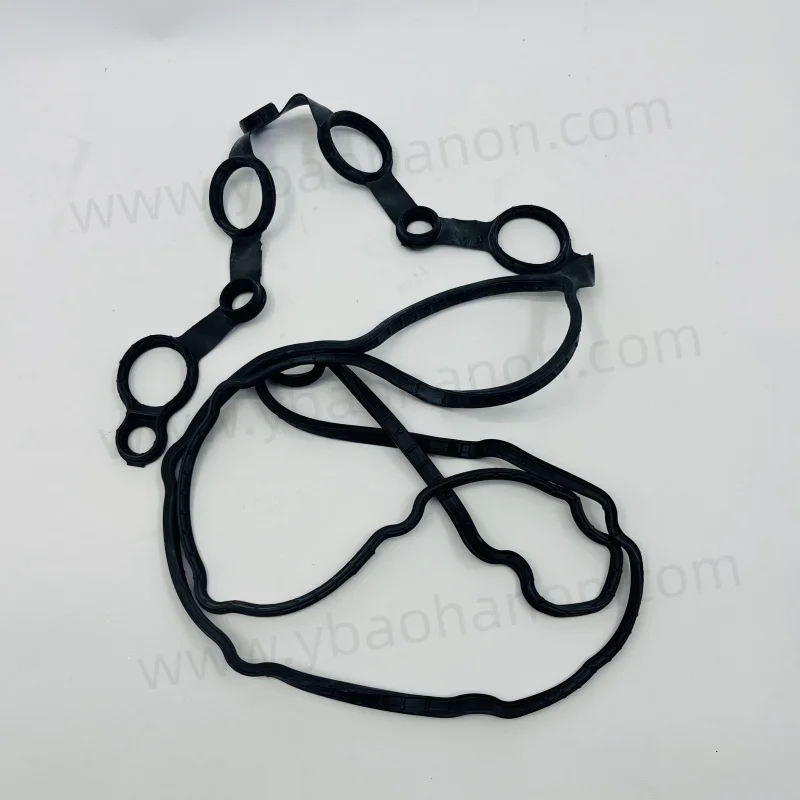
Step up early. In check-ups, slot tough picks like the 22441-2G100 Gasket-Rocker Cover. It works with OE codes 22441-2G670, 22441-2G600, or 22441-2E700. Strong rims fight squash. They keep shape past 150,000 miles. Link it to 22441-37104 or 22441-37101 for wide fit on like blocks. You build a no-leak shield from go.
Drive wise. Warm slow before big pushes. Cold seals break easy. Skip long idle in bad heat. It boils oil and ages bits. Park flat to catch signs quick. Set pans under watch spots.
Watch trends. Note oil tops. Sharp rises flag wear hid. Wash the belly every three months. Trails pop out. These ways cut leak chances half. From shop logs on kept fleets.
You put work in today. You get steady runs tomorrow. A sharp eye routine holds your motor tight and tough.
Conclusion: Drive Worry-Free with Expert Support
Oil leaks push your buttons. But you own the mend. From that first puddle to fresh seal in spot-on parts, each bit brings your car back strong. Dangers like locked motors drop when you jump quick. With holds that take heat, push, and road. Smart peeks and good swaps, like ones for 22441-2B610, 22441-2B002, or 22441-2B801, seal the wins.
Set to stock? Scan picks for your wheel and hit that leak square.
For fit hints or buy aid, hit our crew or 1-800-555-AUTO. Talk live on the page. We walk swaps, pair bits, and send swift. Your clean rolls kick off now.
FAQ
Q: How often should I check for oil leaks?
A: Look monthly. Do it extra after far hauls. Park on hard ground and eye for marks. Fast hood looks snag probs before big.
Q: Can I drive with a small oil leak?
A: Sure, if drops stay few and wet stays full. Watch tight and mend soon. Long hauls wear the motor bad.
Q: What’s the average cost to replace a rocker cover gasket?
A: Bits cost $10 to 30. Home work’s free time. Shop hits $150 to 300. It shifts on reach and spot.


