

Troubleshooting the 31119-C9000 Fuel Pump: Common Symptoms and Solutions for Your Vehicle
Keeping your drive steady relies a lot on how well your fuel supply works. When your motor begins to pause or struggles to start up in the morning, the problem often hides deep in your gas tank. For plenty of current trucks and cars, the 31119-C9000 Fuel Pump & Tube Assy serves as the main part of this setup. If this piece starts to fail, your ride loses its strength. Drivers notice this drop in power during everyday trips, and it can lead to bigger issues if not fixed soon. Understanding these parts helps you stay safe on the road and avoid surprise breakdowns that disrupt your schedule.
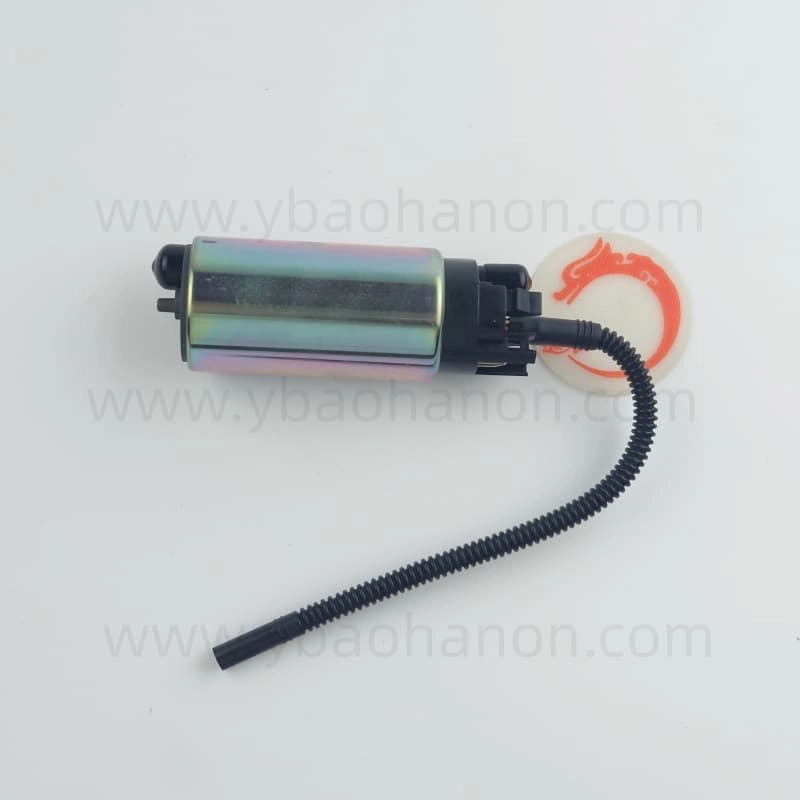
At YBAOH, we work hard to supply carefully made fixes that bring back your car’s original strength. This guide takes you step by step through the early signs of a breaking pump, explains why getting the full set makes for a solid fix, and shows you how to spot these problems just like an expert would. We aim to make this info clear so you can handle basic checks yourself or know what to tell a mechanic, saving time and money in the long run. With years of experience in auto parts, YBAOH ensures every suggestion here comes from real testing and customer feedback.
Recognizing the Red Flags: 31119-C9000 Failure Symptoms
Your vehicle gives hints when trouble brews. Since the fuel pump runs on electricity and faces steady strain, it seldom quits without some clues along the way. Noticing these hints early can keep you from paying for a big tow or facing a scary motor stop right in busy traffic. Many owners ignore small changes at first, but catching them quick leads to easier repairs and less stress. This section breaks down the main warnings so you can act before things get worse.
Difficulty Starting and “Hard Start” Issues
Do you see that your car needs way more time to turn over now? When you twist the key or press the start button, the fuel pump has to quickly create enough push to reach the fuel lines. If the built-in seal or the drive inside the piece wears down, the gas might flow back to the tank once the car shuts off. As a result, the whole system must rebuild that push each time you try to start. If cranking the motor lasts five or ten seconds before it catches, then the pump probably cannot hold its push anymore. This issue often grows over months, starting with slight delays that turn into full struggles on cold days or after parking for hours. Checking this early prevents battery drain from too many failed starts and keeps your routine on track.
Engine Hesitation and Jerking Under Load
As you join fast roads or go up sharp slopes, your motor calls for a big rush of gas. A weak pump fails to match this need. You may sense the car shake or jump, like it fights for breath. This occurs because the mix of air and gas gets too thin. YBAOH parts build to manage these tough spots, so even when the load gets heavy, the push stays even and trustworthy. Such problems show up more in stop-and-go city driving or during long hauls, where steady fuel flow matters most. Ignoring the jerks can strain other engine parts, leading to costlier fixes down the line, so addressing it promptly keeps your drives smooth and safe.
Sputtering at High Operating Temperatures
Heat affects electric parts a great deal. During your trip, the pump’s drive creates warmth, which the surrounding gas usually cools. Yet, an older drive starts to draw extra power and gets too hot. If your car works fine for twenty minutes but begins to cough or quit once the motor hits its full heat level, the wires inside the pump are breaking down. This symptom ties to how fuel systems deal with summer drives or heavy traffic, where temps rise fast. Spotting it lets you avoid overheating risks that could harm the whole motor, and switching to a reliable unit like from YBAOH prevents repeats in hot weather.
The Dreaded Whining Noise
All electric fuel pumps give off a soft buzz, but you should not catch it from the front seat. If a sharp, loud whine or hum comes from the back area, it signals real trouble. This sound often means the inner supports wear out or the built-in screen clogs up so much that the drive pushes hard to draw gas past the block. The noise grows with use, starting faint but turning constant, and it points to parts nearing the end. Listening for it during quiet moments, like right after starting, helps catch issues before they silence the pump completely, saving you from roadside waits.
Technical Insight: Why the 31119-C9000 Assembly is Superior
Once you know your fuel pump breaks, you pick between options: swap only the tiny electric drive (called the “insert”), or change the whole set? Grabbing just the drive looks cheaper at first, but it usually brings back work fees and more car woes soon after. Weighing this choice carefully avoids short-term savings that lead to long-term headaches, especially in fuel systems where one weak link affects everything.
The Benefit of a Full “Pump & Tube” Integration
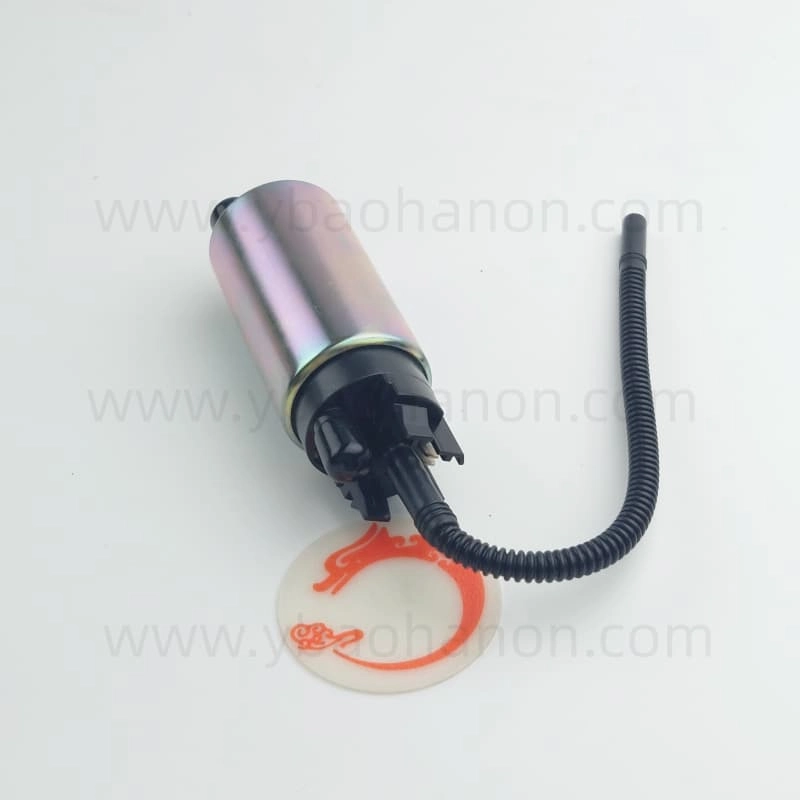
The 31119-C9000 goes beyond a simple pump; it forms a smart set that holds the gas gauge (which shows your fuel amount), the push control, the screen, and the key tube set. YBAOH sells this as one package to fix every weak spot right away. Over years, the plastic lines and joins in the tank turn hard and crack. If you swap only the drive, you chance snapping those old plastic paths, which causes inside drips that drop push even with a fresh drive. This full swap ensures no hidden flaws remain, making the repair last longer and work better overall.
Engineering for Longevity and Fitment
Going for a strong set means you pick a product made for easy slide-in placement. No need to cut wires or warm old plastic tubes to force a match. Each YBAOH set builds to copy the first flow speed and push levels just right. This care stops your car’s brain from sending “Thin Mix” fault lights, which happen often with cheap, all-purpose pumps that miss your ride’s exact push needs. Plus, the design uses tough materials that stand up to daily wear, ensuring the part fits models from various years without adjustments.
With the full unit, you also gain a new gas screen and a fresh level reader. This complete method means after you seal the tank door, you skip opening it again for another 100,000 miles. It proves the smartest way to lock in full system steadiness. Owners who choose this path report fewer trips to the shop and better gas use, as the matched parts work together without strain, extending the life of connected systems like injectors and lines.
Professional Diagnosis: Testing Your Fuel System
Before heading to buy pieces, make sure the pump truly causes the issue. At times, a burned fuse or bad switch copies a dead pump. A smart check path guarantees you use cash on the true fix. Starting with basics like fuses builds confidence and narrows down the cause step by step, turning what seems complex into a manageable task.
Conducting a Fuel Pressure Test
The surest method to gauge your fuel setup’s state uses a push meter. Many current fuel bars have a tiny spot to hook up a checker. Turn the key to “On,” and the meter ought to rise to a set push range in a flash. If it creeps up slow or hangs far under the maker’s mark, the pump weakens on the inside. If push falls fast right after shutoff, the seal in the set has quit. This test, done with basic tools from any auto store, gives hard numbers that guide your next move, whether it’s a simple relay swap or a full part change.
The “Key-On” Auditory Test
This stands as the easiest check with no gear needed. Ask a pal to listen near the gas cap as you switch the key to “On” without turning the motor. You should pick up a clear “whir” for around two seconds. That marks the pump readying the lines. Total quiet might mean an electric fault, like a fried pump switch or a flipped safety cut. Repeating this in different spots around the car helps pinpoint if the issue lies in wiring or the unit itself, making it a quick first step for anyone.
Inspecting for Electrical Integrity
Always look at the wire bundle linked to the pump’s top edge. With time, these plugs rust or even soften from the big power pull of a dying pump. If the end seems burned or off-color, fix the wires along with the pump. YBAOH sets include strong link points built to fight heat and hold a firm power tie for the part’s full run. Checking these areas prevents comebacks, as poor wires often cause repeat faults even after new parts go in.
Why Trust YBAOH for Your Replacement Parts?
Picking a swap part means more than matching a code. It involves making sure your ride stays safe and strong for years ahead. At YBAOH, we cut out the doubt. Our focus on details like exact fits and tough builds sets us apart in a market full of options, giving you peace of mind with every install.
Each piece we make faces strict checks. We copy true drive situations to confirm the flow holds steady in hot setups. Our 31119-C9000 units use better plastics and solid metals that push back against the harm from today’s gas mixes with alcohol. We understand a car out of service hits hard, so we stress lasting strength and simple setup. This testing covers everything from cold starts to full-speed runs, ensuring the part handles whatever your daily path throws at it.
Our promise to good work goes past the item. We give full help to match the right piece to your exact car setup. Pick our goods, and you gain a teammate set on car quality and lasting worth. From quick answers to detailed guides, YBAOH supports you through the whole process, whether for one fix or larger orders, building trust one satisfied driver at a time.
Conclusion and Expert Service
Overlooking signs of a failing fuel pump risks a bet that ends with a stopped car at the worst spot. If you face a bothersome “hard start” or a risky power drop on open roads, the answer rests in solid gear. Acting fast turns potential disasters into quick wins, keeping your travels reliable and worry-free.
By selecting the 31119-C9000 Fuel Pump & Tube Assy, you put money into a full, pro-level answer that covers every bit of the gas flow job. Skip half steps that leave worn, breakable pieces in your tank. Bring back your ride’s force and steadiness now. This choice not only fixes the now but sets up smoother drives for miles to come, with better response and no surprise stalls.
If questions arise on fits or you want tech details for group buys, our group stands ready to help. We take pride in speedy sends and deep know-how to keep your ride going. Our service covers everything from part picks to install tips, ensuring you get back on the road without delays.
Ready to fix your fuel system? Contact us today via our website or browse our full catalog to find the perfect fit for your vehicle.
FAQ
Q: Can I drive with a whining fuel pump?
A: It is not recommended. A whining noise is a sign of mechanical stress or a severe blockage. While the pump may still be working, it could fail completely at any moment, potentially leaving you stranded in a dangerous location or causing the engine to stall while driving. Continuing to push it risks bigger damage to the motor or even safety issues, so pull over and check soon if you hear it.
Q: Why does my car start better if I turn the key to “On” several times before cranking?
A: This process is known as “priming” the pump. By cycling the key, you are forcing the pump to build up the pressure that was lost while the car was sitting. This is a classic symptom of a failed check valve within the fuel pump assembly, indicating it is time for a replacement. It shows the system cannot hold fuel in place, a common wear sign that worsens over time without fix.
Q: Is it necessary to drain the fuel tank before replacing the 31119-C9000?
A: While you don’t need to empty it completely, it is much easier and safer to perform the replacement when the tank is less than a quarter full. This reduces the weight of the tank if it needs to be lowered and minimizes the risk of spilling fuel inside your vehicle’s interior during the removal of the assembly. Working with less gas also cuts fire risks and makes handling the heavy unit simpler, leading to a cleaner job overall.


