

Kia Rio Starting Issues? Signs Your 31110-1W000 Fuel Pump is Failing
Getting your car to start ought to be an easy, quick task. You twist the key, the motor roars awake, and you carry on with your routine. Yet, if your Kia Rio starts to falter, pause, or simply won’t fire up at all, that quick task turns into a major worry. Many times, the real problem sits way down in your gas tank.
Identifying the Source of Your Kia Rio Starting Struggles
When a ride won’t turn over, many drivers right away point to the battery or the starter. These spots do fail often, and they show clear signs like clicking noises or no power at all. But if your motor turns strong yet won’t grab hold, or if it needs several tries to keep going, you probably face a gas supply problem.
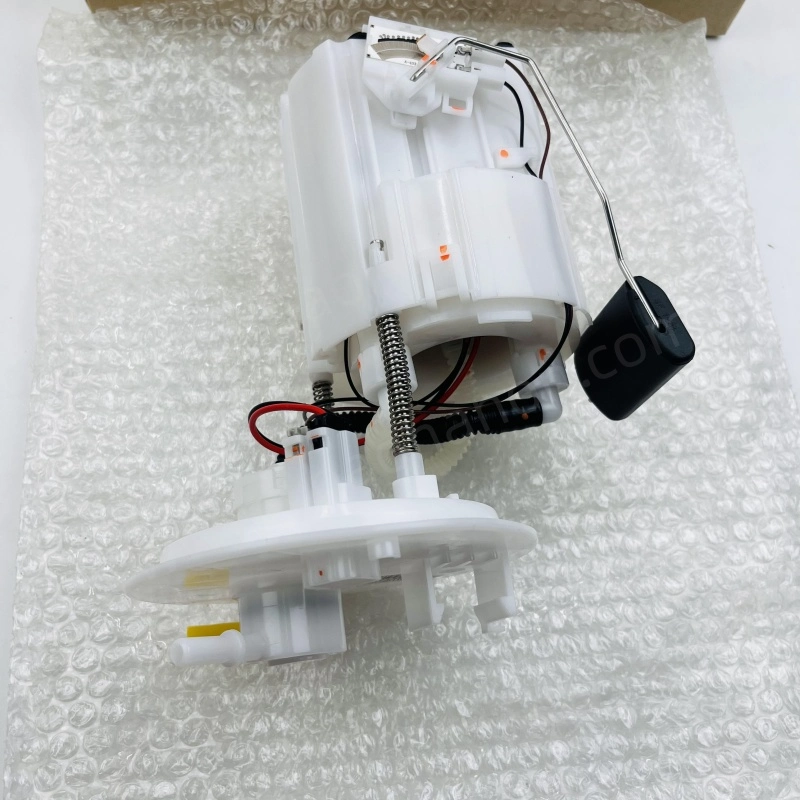
The gas pump acts as the core of your car’s fuel flow setup. It has to hold a steady push to send gas from the back end to the injectors up front. Once this piece starts to weaken, the motor goes hungry. That hunger does not strike suddenly every time; it usually kicks off with small hints, and if you skip them, it ends in a full stop on a crowded road or out in some empty lot.
The Tell-Tale Signs of a Dying Fuel Pump
A common clue that your fuel line has trouble is a sharp, high whine from the back seat spot. This differs from the rough scrape of a worn alternator, as it forms a steady, powered buzz showing the inside motor strains against buildup or a blocked screen.
Past the sound, you might spot “stutter” when you speed up. Picture pulling into quick traffic. You hit the pedal, hoping for even pull, but the car bucks or slows for an instant. The pump fails to match the motor’s call for more gas. Such uneven pull makes the drive risky and hard to predict.
Why the 31110-1W000 Assembly is the Critical Link
In today’s car builds, the fuel pump goes beyond a simple motor. It forms a full “unit” or “set.” For the Kia Rio, the 31110-1W000 Complete Fuel Pump includes the electric motor, the pressure control, the hard case, and the level sender.
Swapping only one bit of this set often proves wrong. If the motor quits, the inner strainer likely holds dirt, and the control might wear out. Picking the whole set means each part in the gas line stays fresh and matched to fit together. This brings back the right fuel push your ride needs for fast starts and steady idle, just like from the factory.
Precision Engineering for Longevity
Look for a swap piece that stands up to real fuel challenges today. Gas now holds ethanol, which eats at cheap plastics and metals in low-end pumps. A top-level set uses better carbon parts and strong materials to fight that wear. Such solid make means after you fix it, you skip dropping the tank for a long while.
Bridging the Gap Between Fuel and Handling
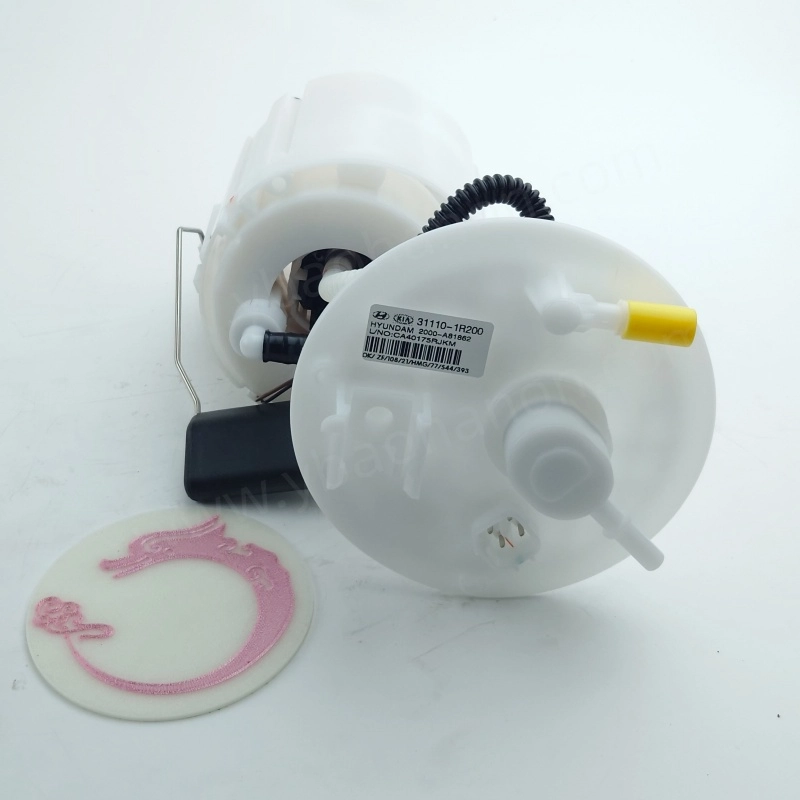
Sure, a solid motor gets you going, but your trip’s safety ties to how power hits the pavement too. As cars get older, the rubber pads and joints in the ride setup start to break down, similar to seals in a gas pump. If your car pulls one way or bangs over bumps, check the frame. To keep that first-drive feel, a good 31110-1R200 COMPLETE-FUEL PUMP holds your front setup exact, stopping odd tire rub and wild turns.
The Importance of Holistic Maintenance
Your car links many tied systems. A bad gas pump stresses the battery and starter with extra turns. In the same way, a worn arm adds load to tires and shocks. Fix these with fine pieces to balance the whole ride, guard your spend, and keep you safe.
Introducing Your Automotive Partner: YBAOH
For getting these key bits, you want more than a seller; you seek a team deep in car quality. Meet YBAOH, a name that shifts what “top quality” means in spare parts world. Having watched tons of bits quit too soon, I know the gap comes in small things.
YBAOH goes past making items; they craft fixes. Each gas pump and ride part comes from hard tests and tweaks. They pick prime base stuff and exact make ways that beat first-gear levels often. Grab something from their list, and you get calm from long know-how and global care vows. Their group handles each buy with quick tech focus your ride earns.
Logical Steps for Troubleshooting Your Starting Issue
Think your gas line causes the no-start? Take a few smart steps before the shop. This order pinpoints the fault without extra cash on wrong bits. Start with basics to build sure knowledge, then move to checks that need tools, all while keeping safety first in every move you make.
Step 1: The Prime Test
Before full key turn to start, switch to “on” or “access” spot. Hear close. A soft two-second hum from the back means the pump fills the lines. No sound points to a dead motor or switch issue.
Step 2: Check for Pressure Consistency
Hook a pressure tool to the fuel bar under the hood. A good setup holds steady in the maker’s range. If it jumps or falls fast after shut-off, the inner valve leaks, leading to tough starts.
Step 3: Inspect the Electrical Connections
The pump might work, but wires could rust or melt from bad flow. Look at the top-tank plug for burn marks or green build-up. A hurt link stops even new pumps from running right.
The Advantage of Choosing Professional Grade Components
Picking a swap balances price and trust. Online cheap picks tempt, but the work to change a gas pump or arm takes time. Twice the job from a deal that breaks quick costs more in the end and wastes your effort.
Top-level bits bring main gains:
Quiet Ride: Fine pumps use even inside turns to cut sound and shake.
True Fuel Read: Exact senders make your dash show real tank levels.
Easy Fit: Bits match old sizes just, so no cuts or force in setup.
Focus on these to make the fix bring back full run, not just a short road fix.
Expert Service and Global Reach
From plant to your spot, a bit’s path matters as much as the bit. Top sellers pack safe and ship fast so your ride stays off stands short. Plus, a help team on call means questions on fit or put-in get pro answers quick.
Quality push covers more than the item. It means clear chains, open talks, and real back-up vows. Such care sets world-top givers apart from plain shops.
Contact Us for Your Automotive Solutions
Face no-starts or frame bangs now? Skip risk to your safe drive. Our group stands ready with right bits to fix your ride’s base. We focus on strong gas lines and frame pieces made for last and true work.
Reach out now:
Hit the road sure. Pick bits made to hold up long.
FAQ
Q: Can I replace just the fuel pump motor instead of the whole 31110-1W000 assembly?
A: While it is technically possible to swap just the motor, it is not recommended. The plastic housing, the internal fuel filter, and the pressure regulator all age at the same rate. Replacing only the motor often leads to a second failure shortly after because the old filter is clogged or the regulator is leaking pressure. A complete assembly ensures total system reliability.
Q: How do I know if my starting issue is the fuel pump or a clogged fuel filter?
A: In many modern vehicles, including the Kia Rio, the fuel filter is integrated into the pump assembly inside the tank. It is not a separate, easily accessible part under the car. Therefore, if the filter is clogged, you typically must replace the entire fuel pump module anyway to resolve the restriction.
Q: Does a new fuel pump improve gas mileage?
A: Yes, indirectly. A failing pump often provides inconsistent pressure, which causes the engine control unit (ECU) to compensate by adjusting fuel trim levels. This can lead to a “rich” condition where too much fuel is used. A new, high-efficiency pump restores proper pressure and atomization, allowing the engine to run at its most efficient factory settings.


