

Hyundai & Kia Fuel Pump Failure? Symptoms, Causes, and the 31111-1R500 Solution

Picture yourself rushing to a key appointment. You climb into your Hyundai Accent or Kia Rio, twist the key, and… silence follows. The motor turns over without end but simply will not fire up. Or maybe you drive along the freeway when your vehicle suddenly shakes and drops speed, acting as if it lacks gas, despite the tank holding half its capacity. These situations go beyond small annoyances; they serve as strong hints that your gas setup faces trouble. Such moments catch many drivers off guard, turning simple trips into stressful ordeals that disrupt daily plans and raise safety concerns on busy roads.
Right in the center of this setup sits the fuel pump. This piece handles sending an exact measure of gas from the tank to the motor at a set push level. When it gives out, your car’s output falls right away. Luckily, spotting these troubles soon can keep you from high pulling costs and motor harm. This guide walks you through spotting these issues and presents the top swap option: the 31111-1R500 PUMP-FUEL. By following the steps here, you gain the knowledge to handle the problem yourself or guide a repair shop, ensuring quicker fixes and better long-term results for your vehicle.
Identifying the Red Flags of a Dying Fuel Pump
The initial move in resolving your car’s issue involves noticing the early warnings. Your ride frequently signals its problems well before it stops working altogether. If you watch how your vehicle acts in various drive situations, you can detect a weakening pump prior to it stranding you somewhere unexpected. Paying attention to these cues not only saves money but also boosts your confidence in managing basic car care, making ownership less daunting over time.
Engine Sputtering at High Speeds
Suppose you hold a steady fast pace and the motor abruptly starts to cough or shake before settling back down; then your fuel pump probably fights to keep going. This takes place since the pump struggles to hold a reliable stream of gas to match the motor’s needs. YBAOH builders stress that a steady stream proves essential for the smooth burn inside the motor. As the pump’s drive starts to break down, its delivery turns uneven, causing these short bursts of power drop. These events often occur during longer highway runs, where constant speed reveals the weakness clearly, and addressing them early prevents escalation to full stops that could lead to accidents or delays.
Loss of Power During Acceleration or Uphill Climbs
Speeding up and going uphill demand a big jump in gas supply. If your car seems slow or “gags” as you press the pedal, the pump fails to raise the push when required. You could sense the vehicle rattle or catch the motor labor. This poses a major safety risk, particularly when you require strength to join traffic or pass another car. Swapping a tired unit for a strong performer makes sure your motor gets the fuel it craves precisely when it does. Such power dips commonly appear in city driving with frequent starts or on winding roads, highlighting the need for a dependable part to maintain control and avoid close calls.
Difficulty Starting and Long Cranking Times
Does your motor require five or ten seconds of turning before it finally catches? This usually stems from a drop in leftover push in the gas paths. After you shut off your car, the gas system ought to remain under pressure. A broken pump lets the gas slip back to the tank. As a result, the next time you attempt to start, the pump labors extra to send gas clear to the sprayers. If this affects you, seek a solid swap soon. This pattern builds gradually, often worsening in cooler weather or after short stops, and fixing it restores quick, reliable starts that keep your schedule intact without frustration.
Deep Diagnosis: Is It Really the Fuel Pump?
Prior to spending on fixes, confirm that the fuel pump truly causes the trouble. Plenty of vehicle issues show alike signs, and you avoid changing a good pump when the actual problem lies in a flat battery or a dirty spark piece. Taking this careful approach saves resources and ensures the right repair, turning what might feel overwhelming into a straightforward process that empowers you as a car owner.
Fuel Pump vs. Battery and Starter
If your motor fails to turn at all, or if you notice a quick click noise, your battery most likely sits dead. Yet, if the motor spins with force (that “rrr-rrr-rrr” noise) but refuses to light up, the battery and starter work okay. This points to missing gas or spark. Given that fuel pump breakdowns mark a frequent problem in older Hyundai and Kia rides, the pump emerges as your main guess in this case. Distinguishing these helps narrow options fast, avoiding unnecessary tests and getting you back to driving without wasted effort.
The “Ear Test” for Quick Verification
Among the easiest methods to inspect your pump needs zero equipment. Switch your key to “On” without firing the motor. Listen hard near the back seat or gas tank. You ought to detect a soft “whir” or “hum” lasting about two seconds. This marks the pump readying the setup. If quiet rules completely, the pump drive has probably locked or lacks power. YBAOH items build to stay very quiet, but in this starting phase, that light noise aids diagnosis best. This simple check, doable anywhere, offers instant insight and often confirms the issue without fancy tools, making it ideal for quick roadside assessments.
Checking Fuel Pressure
For a deeper check, hook a fuel push meter to the gas bar. If the push number falls under the maker’s standard (typically between 43 and 50 PSI for these rides), the pump underdelivers for sure. A tired pump may supply just enough for idle but quits under real drive strain. This measurement provides clear proof, guiding whether to repair or replace, and ensures the fix matches your car’s exact needs for optimal performance.
Why the 31111-1R500 is Your Best Replacement Choice
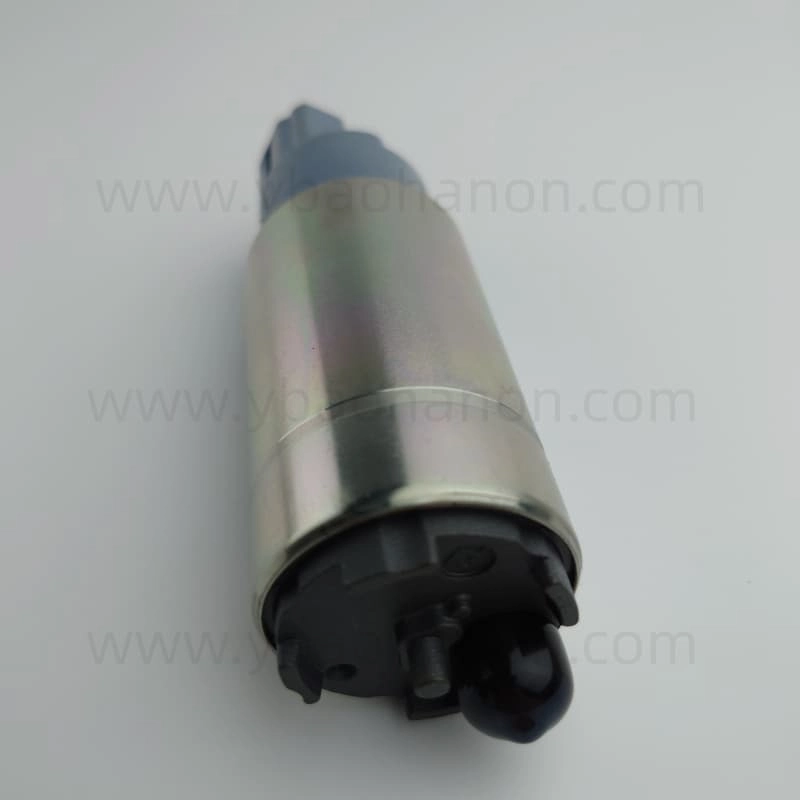
After verifying your pump faults, decide what to install next. The market overflows with low-cost, basic parts that break soon after. For drivers of the Hyundai Accent, Kia Rio, or Kia K2, the YBAOH label delivers a pro-standard fix that mixes price with factory-like quality. Choosing wisely here extends your car’s life and avoids repeat work, providing value that lasts through years of use.
Precision Engineering and Compatibility
The 31111-1R500 avoids being a “fits everything” item. It crafts especially for the gas needs and space sizes of certain Hyundai and Kia gas sets. This guarantees a spot-on match without changes. Employing a carefully paired piece stops drips and makes sure the gas level reader links right with your dash. Such exact design reduces install time and errors, letting even beginner mechanics complete the job smoothly while maintaining all original functions like accurate fuel readings.
Enhanced Durability for Longevity
Regular aftermarket pumps frequently rely on weaker stuff for the inner switch and wipers, causing quick failure. YBAOH employs tough-lasting elements that endure the extra bits in current gas. This fight against rust and grind means you skip this tough job again for a good while. The steadiness of the inner drive also keeps gas push even, regardless of harsh weather. These features shine in daily commutes or long trips, where reliability matters most, and they help cut down on overall ownership costs by minimizing breakdowns.
Silent and Efficient Operation
Budget pumps gain fame for a loud, bothersome buzz audible in the passenger area. Strong building targets sound cut. Through better carbon wipers and an even drive arm, this pump runs even and hushed. You receive the strength of a fresh factory ride minus the irritating noise from a cheap swap. This quiet work enhances comfort during drives, especially in quiet cars like the Accent, and reflects the attention to detail that sets quality parts apart from the rest.
Maintenance Tips to Prevent Future Failure
Swapping your fuel pump counts as a major chore, so safeguarding your fresh buy makes sense. Most fuel pump breakdowns avoid with a handful of shifts in drive ways and steady upkeep. Adopting these habits not only protects the new part but also improves overall vehicle health, leading to fewer visits to the shop and more enjoyable miles behind the wheel.
- Avoid Driving on “E”:Lots of folks hold off until the low gas warning lights up before hitting the station. This proves wrong. The gas in your tank cools and slicks the pump. When the tank nears empty, the pump draws air and heats up, cutting its life short a lot. Aim to keep your tank at least one-quarter full. This practice, simple as it sounds, pays off big by ensuring the pump stays submerged and cool, extending its service far beyond basic expectations.
- Use High-Quality Fuel:Dirt and bits in poor gas can block the inner nets. This makes the pump strain to force gas past the jam, finally causing drive breakdown. Sticking to trusted stations and premium grades keeps the system clean, reducing strain and preserving the pump’s efficiency for smoother, more reliable performance over time.
- Change the Fuel Filter:If your ride holds an outside gas screen, swap it per the upkeep guide. A jammed screen builds push-back that can burst seals in the finest fuel pump. Regular changes, often every 30,000 miles, maintain free flow and protect the pump from extra work, contributing to the longevity of the entire fuel delivery chain.
Quality Service and Global Support
Selecting a piece involves more than the item alone; it covers the backing it receives. We know that with your car sidelined, you seek a quick answer. Our crew makes certain every 31111-1R500 PUMP-FUEL passes strict quality checks before shipping out. We mimic actual drive setups to confirm push, stream speed, and power use. This thorough process guarantees the part performs as promised from day one, giving you confidence in its reliability across diverse conditions and uses.
We offer full aid for buyers worldwide, making sure the piece you get fits the details of your local car type. If you fix your own ride as a hobbyist or supply a shop with steady stock, our aid group stands prepared to help. From order placement to after-sale questions, support flows seamlessly, ensuring smooth experiences that build lasting partnerships with customers everywhere.
If you face motor quitting, weak speedup, or a total “no-go” state, avoid delaying as the trouble grows. A bad gas setup can spark thin burns, harming your cylinders and seals for good. Spotting and acting on these signs promptly safeguards your engine’s core parts, preventing expensive overhauls and keeping repair bills low while preserving the value of your Hyundai or Kia.
Contact Us Today For details on item specs, group rates, or delivery schedules, drop by our site or connect with our client aid desk. We commit to holding your ride rolling with pieces you trust. Our dedication shines through fast responses, accurate info, and products that meet high standards, making every interaction positive and productive.
FAQ
Q: Will the 31111-1R500 fuel pump fit my specific vehicle model?
A: This exact piece builds for multiple Hyundai and Kia types, especially the Hyundai Accent/Verna and Kia Rio/K2 made from 2011 to 2017. Still, checking your first part code or sharing your VIN with our aid team confirms full match before you buy. This step avoids mismatches and ensures the install goes without hitches, saving time and frustration in the process.
Q: Can I replace the fuel pump myself, or do I need a professional mechanic?
A: With standard tools and safety steps (such as cutting battery power and using open air), it works as a doable home job. Yet, given the gas setup and burnable fumes, we suggest pro help if handling gas bits feels uneasy. Weighing your skill level helps decide, and for first-timers, a mechanic brings expertise that speeds things up and cuts risks effectively.
Q: How long does a YBAOH fuel pump typically last?
A: In usual drive setups and with right care—like holding the tank over a quarter full and picking clean gas—our pumps aim to run past 100,000 miles. We pick top materials to match or beat the original factory piece’s life. Factors like drive style and fuel quality play roles, but our design focuses on endurance to deliver consistent value mile after mile.


