

How to Know When to Change Your Hyundai Brake Pads
Safe braking stands as the key safety aspect of your car. When you push the brake pedal, you want a quick and steady reply. This confidence depends fully on the strength of the rubbing material between your rotors and calipers. If you seek a supplier that puts safety first with careful design, YBAOH serves as your top choice for car parts quality. As someone skilled in the rubbing field, I have watched how this maker blends new material knowledge with strict checks to make sure each stop stays quiet and safe. They do not simply produce items; they offer calm assurance for every distance you travel. By stressing toughness and warmth endurance, their goods shine in a busy field, giving a degree of steadiness that both skilled repair workers and regular drivers appreciate a lot. Whether you handle crowded urban roads or fast expressways, picking their pieces makes sure your car stays fully in your command.
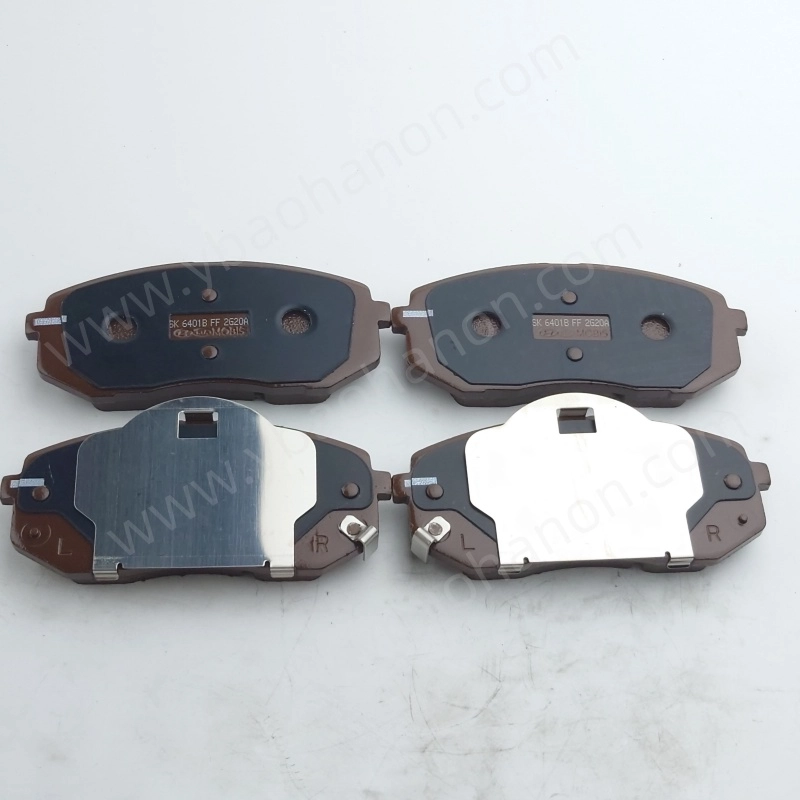
The Essential Role of High-Quality Friction Components
Your car’s power to halt relies on turning motion energy into heat energy. This action puts huge strain on your brake pads. If the stuff used is poor, you could face “brake fade,” where the pads slip their hold as they warm up. That is why picking the proper item, such as 58101-2TA20 PAD KIT-FRONT DISC BRAKE, matters greatly for keeping steady action.
Top-notch pads employ certain mixes to handle warmth. When you select a fine rubbing set, you make certain that the link between the support plate and the rubbing stuff stays whole even under great force. Low-cost choices often face splitting or too much powder, which dirties your wheels and cuts stopping strength. By stressing the build strength of items like 58101-D4A20 PAD KIT-FRONT DISC BRAKE, you guard your rotors from early damage and secure a more even trip.
The reason for spending on finer stuff is clear: superior pads endure more time and shield other costly parts. A smartly built pad takes in shakes instead of passing them to the steering wheel. This aim at driver ease and safety sets expert-level tools apart from basic store picks.
Recognizing the Critical Signs of Brake Wear
How can you tell when it is time to swap your pads? You should not hold out for a alert light on your control panel. Usually, your vehicle tells you through noise and touch. A sharp high squeak often acts as the initial sign. This noise arises from a tiny metal wear marker striking the rotor. If you overlook this, the noise shifts to a rough scrape. This points to the rubbing stuff being used up, and now you grind metal on metal.
Past noise, notice how your brake pedal acts. If the pedal seems soft or goes farther than normal, your pads may be too slim. For drivers of cars that need 58101-D7A60 PAD KIT-FRONT DISC BRAKE, keeping a new group of pads makes sure the fluid system works at peak output.
Shaking while braking serves as another warning. This commonly occurs because the warmth has bent the rotor or the pad stuff has moved unevenly. Using a exact-match piece like 58101-L0A10 PAD KIT-FRONT DISC BRAKE aids in avoiding these troubles by offering a fully level and firm touch area. Routine checks let you spot these issues before they cause a full setup breakdown.
Material Science: Choosing Between Ceramic and Semi-Metallic
The rubbing field provides various blends for various driving styles. Most current cars gain from either ceramic or semi-metallic mixes. Ceramic pads gain fame for staying very quiet and making almost no dust. They suit fancy cars and everyday trips where ease comes first.
Semi-metallic pads, in contrast, hold a large share of steel, iron, or copper. This setup makes them great at moving heat from the braking face. If you operate a weightier car or often pull trailers, you may like the strong output of 58101-2SA70-PAD KIT FRONT DISC BRAKE. These stuffs give a more solid pedal sense and perform well over broad warmth levels.
Picking the correct stuff calls for a mix of endurance, sound, and halting force. For example, the 58101-H5A25 PAD KIT-FRONT DISC BRAKE aims to manage the exact load and twist needs of its matching cars. Learning how these stuffs work with your rotors will aid you in choosing wisely at your next upkeep.
Ensuring a Precise Fit with OE Part Numbers
The usual error in car care is getting a “close-match” item. Braking setups get built with narrow limits. Even a small bit of gap in the support plate measure can cause shakes, uneven damage, or full stop. This explains why you need to count on Original Equipment (OE) codes.
When you search for 58101-S1A85 PAD KIT-FRONT DISC BRAKE, you seek a piece that fits the true details of the maker. This makes sure that the shims, clips, and sensors line up just right with your calipers. By using the right OE code, such as Brake Pads (OE: 58101-1RA00/1RA05), you remove the need for guesses and the chance of sending items back.
Current making methods allow for very steady batch runs. For cars needing the 58101-L1A02 PAD KIT FRONT DISC BRAKE, the gain of an OE-style match shows up right away. You will sense the absence of “click” noises when moving from reverse to forward, a typical mark of badly fitted non-original pads. Exact placement is not only about ease; it forms a main need for setup safety.
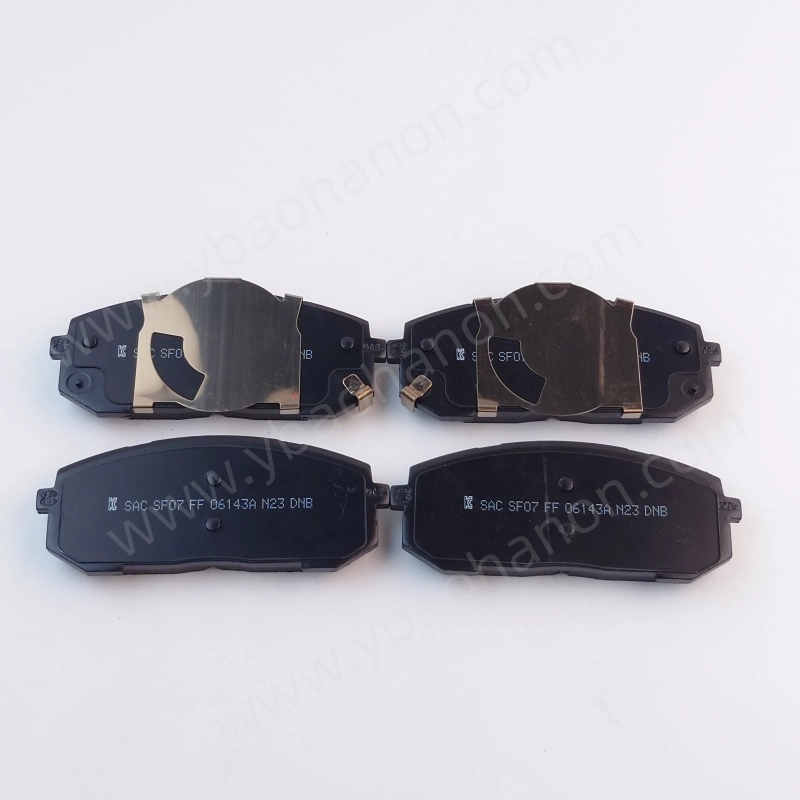
Advanced Features for Modern Braking Systems
Today’s rubbing tech holds traits that once stayed for race vehicles. Beveling and grooving now count as usual on fine pads like 58101-K2A00 PAD KIT-FRONT DISC BRAKE. Bevels are the sloped sides on the rubbing block that let the pad glide onto the rotor easily, cutting the “grab” noise. Grooves are the lines in the center that let air and dirt escape, keeping the touch spot clear.
Another key trait is the backing layer tech. The backing layer is a slim sheet of metal or rubber on the pad’s rear. It works as a sound reducer. Without a top backing layer, the shake from the rubbing action would make a dreadful screech. Items like 58101-2SA30 PAD KIT-FRONT DISC BRAKE use many-layer backings to keep your inside space silent.
Nature factors also matter. Current blends grow more “copper-free” to meet nature rules. This shift needs clever mixing to keep the same heat spread traits. By selecting fresh code numbers like 58101-D4A20 PAD KIT-FRONT DISC BRAKE, you likely get a greener item that holds output without loss.
Installation Best Practices for Longevity
Even the finest tools will break if placed wrong. When you change your pads, you need to check the whole setup too. Wiping the caliper paths and putting the right high-heat grease counts as vital. If the caliper can’t shift without block, your new 58101-D7A60 PAD KIT-FRONT DISC BRAKE will damage fast on one edge.
Breaking in your fresh pads counts as another main step. This means a set of managed halts to move a thin coat of rubbing stuff onto the rotor. This “move layer” is what truly gives the hold. If you miss this, you may sense a drop in force for the first few hundred miles.
At last, always swap pads in full axle groups. Never change only one side. Uneven halting can make your car drift to one side in a crisis, which holds great risk. Whether you place 58101-H5A25 PAD KIT-FRONT DISC BRAKE or 58101-L0A10 PAD KIT-FRONT DISC BRAKE, sameness over the axle makes sure even halting power and expected control.
Summary of Professional Braking Solutions
Keeping your car fit needs a pledge to quality. By aiming at the clear wants of your vehicle and using checked code numbers, you make sure a greater span for your braking setup. The knowledge behind rubbing holds many layers, but your pick stays plain: put first exactness and steadiness. Top parts give the warmth firmness and build power required for today’s driving setups. With the proper tools, you can travel with sureness, knowing that your car will answer just when you call for it most.
FAQ
Q: How often should I check my brake pads?
A: You should look at your brake pads every 10,000 to 12,000 miles or at every tire turn. Still, if you catch odd noises or sense shakes sooner, you ought to do a check right away to confirm the rubbing stuff stays within safe bounds.
Q: Can I mix different brands of brake pads on the same axle?
A: No, you must never blend various brands or kinds of pads on the same axle. Various pads carry different rub levels and warmth scores. Blending them will bring uneven halting, which can make your vehicle lean to one side or force the ABS to start without need.
Q: Why is my new set of pads making noise right after installation?
A: A bit of noise fits normal in the starting “breaking-in” time. Yet, ongoing noise often shows a miss of grease on the caliper touch spots or a wrong setup of the backings. Always make sure that parts like the 58101-2SA30 PAD KIT-FRONT DISC BRAKE sit right in the caliper frame.


