

DIY Replacement: Step-by-Step Guide to Changing Your Front Stabilizer Link

What a Stabilizer Link Does in Your Vehicle’s Suspension System
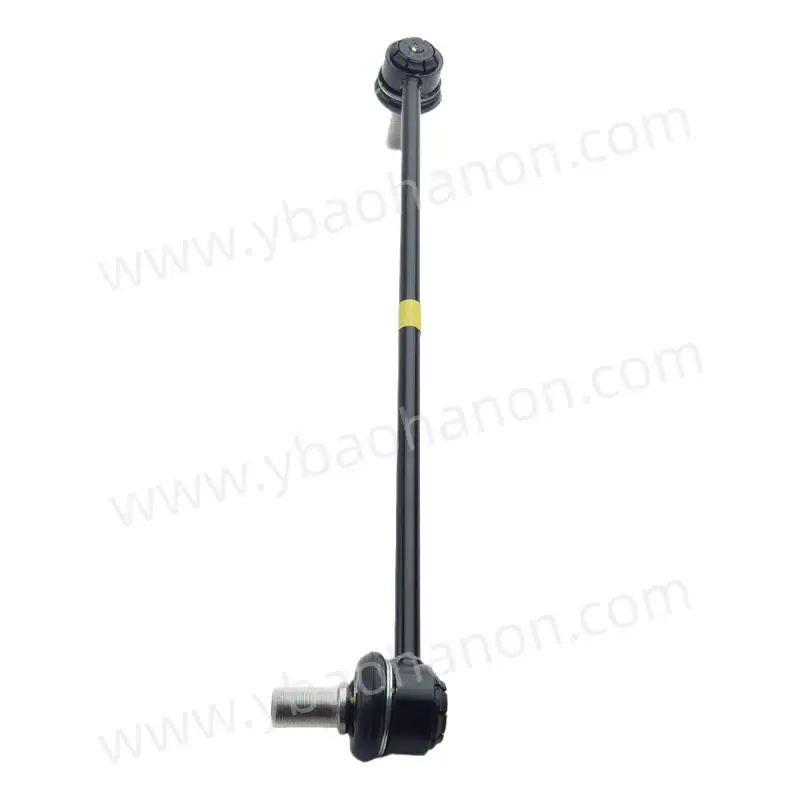
The stabilizer link, sometimes known as a sway bar link, acts as an important piece in the suspension setup. It links the vehicle’s sway bar to the control arm or the strut assembly. Its key role is to lessen body roll when you turn corners. The part does this by spreading out the pressure between the wheels. As a result, your tires stay in full touch with the road. This holds true even as you steer through tight bends or cross bumpy ground.
A stabilizer link in solid shape gives you better steering feel, stronger turn performance, and a more secure ride. The component shares side forces in a balanced manner. It cuts down on too much tilt. At the same time, it helps the whole vehicle stay steady. Such features prove vital in urgent turns or quick path shifts. In fact, these actions can make a big difference in keeping control during unexpected road events. Without a working link, the car might sway more, which could lead to less confidence behind the wheel. Everyday drivers rely on this stability for smooth trips, whether in traffic or on open highways. The design of the stabilizer link ties directly into how the suspension handles weight shifts, making it a core element for safe travel.
Still, much like other suspension items, stabilizer links tend to break down after regular use. Constant motion wears them out. Road shakes add to the stress. Contact with rough conditions like water and salt speeds up the damage. OE part numbers like 54830-C1000 LINK-STABILIZER, 54830-3Q000 LINK-STABILIZER, and LINK-STABILIZER 54830-0U000 stand for particular types. These appear in many vehicle suspension systems. Mechanics often use these codes to find the exact match for a repair. Having the right number on hand simplifies the search at parts stores or online. It also ensures the new piece fits without issues, which saves time and avoids extra work later. For owners who track their car’s needs, knowing these details builds a better maintenance plan over the years.
Signs That Indicate a Worn or Failing Stabilizer Link
You could spot a troubled stabilizer link first by the noises it makes. Clunking or rattling sounds over bumps serve as usual warnings. These noises happen because the joint or bushing in the link has loosened or frayed. That lets metal parts rub against each other.
The way the car handles might worsen as well. Your vehicle could tip extra during turns. Or it might not respond well to your steering moves. In that case, the stabilizer link may stand at fault. As problems grow, you might notice tire wear that looks uneven. This points to the suspension losing its proper setup and weight balance. Catching these clues early allows for a simple fix before costs rise. Many people ignore small rattles at first, but they often signal bigger troubles ahead. For example, a loose link can throw off the whole alignment, leading to faster tire changes or even steering pulls. Regular checks during oil stops can spot this wear, keeping drives safer and more even.
When these signs appear, look over your stabilizer links right away. A change might need OE matches such as LINK-STABILIZER 54830-2W000 or LINK-STABILIZER 54830-2H000. The choice depends on your car’s brand and style. Picking the correct one keeps the suspension in tune. It prevents new problems from popping up soon after the swap. Home mechanics find that matching the OE number leads to a smoother install process overall.
Tools and Equipment You’ll Need for DIY Replacement
If you aim to swap a stabilizer link at home, collect the basic tools for safe and quick work. You will want at least these items on hand.
- A hydraulic jack and jack stands to safely lift and secure your vehicle
- A socket wrench set suitable for your vehicle’s fasteners
- A torque wrench for tightening bolts to manufacturer-recommended specifications
- Penetrating oil to loosen rusted or seized bolts
- Safety gloves and eye protection
Keeping all tools nearby before you start cuts down on pauses. It lets you stay focused on each part of the task in a steady way. This approach not only speeds things up but also reduces errors from fumbling around. People new to car work often learn that a prepared space makes the job less stressful. Over time, this habit turns simple repairs into routine tasks that save money compared to shop visits. Plus, the right tools ensure the new part seats correctly, which boosts its lifespan in daily use.
Safety Measures Before Starting the Job
Before any work under the vehicle, always put safety at the top. Park the car on flat, even ground first. Set the parking brake tight. Then, place wheel chocks behind the back tires. This stops any chance of the vehicle rolling.
After it sits secure, grab your tools and protective items. Do this before you lift the vehicle. Position the jack stands under strong lift areas. This prevents harm and keeps things stable the whole time. These basic steps form the foundation for risk-free repairs. Many overlook them in a hurry, but they prevent accidents that could injure or damage the car. Seasoned DIYers stress this routine for every underbody job. It builds good practices that carry over to other fixes, like brake changes or exhaust work. In the end, safe starts lead to successful finishes every time.
Lifting the Vehicle and Locating the Stabilizer Link
Start the process by raising the front of your vehicle with a hydraulic jack. When it sits high, put jack stands firmly under both sides. Then, lower the car slowly onto them. Never work under the vehicle using just the jack for support.
Now, find the stabilizer link. This part stretches straight up or at an angle between the sway bar, which is a long bar across the front, and the control arm or strut. OE numbers such as 54830-1G500 LINK-STABILIZER or 54830-0U000 LINK-STABILIZER match exact setups in various cars. Spotting it clearly sets up the next steps without confusion. A quick visual scan often reveals the link’s position amid other parts. If dirt covers things, a wipe helps reveal the bolts and joints. This careful location ensures you target the right component, avoiding mix-ups with similar suspension pieces nearby.
Removing the Old Stabilizer Link Assembly
Apply penetrating oil to both ends of the stabilizer link bolts. Let it soak for a few minutes if rust or buildup shows. Take a socket wrench and remove the nuts from each end of the link. If the ball joint spins as you turn the nut, use another wrench to hold it in place.
With both ends loose, ease the old stabilizer link out of its spots. This removal often highlights the wear, such as cracked bushings or loose connections. Cleaning the area during this step removes old grease and debris. It prepares a clean base for the new part. Patience pays off here, as forcing stuck pieces can strip threads or bend metal. Once free, inspect the mounting points for any damage that might need attention before reinstalling.
Installing the New 54830-C1000 or Compatible YBAOH Stabilizer Link
Select a solid replacement to gain lasting dependability. The 54830-C1000 serves as an OEM-style stabilizer link built for exact fit. Yet, other choices work well for targeted performance goals.
Compatible YBAOH Products for Replacement
54830-2H000 LINK-STABILIZER fits HYUNDAI KIA MOBIS needs. It includes treated metal areas for stronger protection from rust. The product ships in packs of 50 units. Production follows strict guidelines to deliver even results in every piece. YBAOH focuses on quality that matches daily demands, ensuring each link handles road stress without quick failure. Bulk packaging suits shops that order in volume, keeping inventory ready for fast turns.
For cars that tackle rough paths, try 54830-2T000 LINK-STABILIZER. This version has stronger ball joints. They manage added weight without early breakdown. The build thinks about heavy use, so it stands up in demanding settings like gravel roads or construction sites. Drivers in such areas value the extra toughness that extends repair intervals.
Both selections emphasize strength and align with precise OEM standards, similar to those in LINK-STABILIZER 54830-2H000 or 54830-C1000 LINK-STABILIZER units. YBAOH crafts these with care, from material choice to final tests. This process guarantees fit and function that rivals factory parts. For businesses, this reliability means fewer returns and happier customers. The consistent output across batches simplifies stocking and sales in competitive markets.
Securing and Torquing New Components Properly
Place the new stabilizer link into its usual spots. Connect it first to the sway bar. Then, attach it to the control arm or strut. Hand-tighten each nut at the start for good lineup. After both ends sit straight, apply the torque wrench. Tighten to the vehicle maker’s listed values.
Steer clear of over-tightening. It can harm bushings or lead to early joint wear. When everything locks in, check each bolt again for firmness. Proper torque keeps the system balanced and responsive. It matches the original setup, ensuring smooth operation right away. Mechanics remind that this step prevents vibrations or looseness that could develop over time. A final once-over builds assurance that the repair holds through normal driving cycles.
Post-Replacement Checks You Should Perform
Once the setup finishes, lower the vehicle bit by bit from the jack stands. Use the hydraulic jack for this. Clear all tools from under and around the car. Then, start the engine.
Head out for a brief test run. Cover flat roads and some rough ones. Feel for better steering and listen for strange sounds. Back home, give the stabilizer link a close visual look. Confirm all links stay tight. Make sure no bolts have come loose from the drive. These reviews spot any oversights early. They allow tweaks before issues build. A second check after a few miles confirms the install’s success. This practice not only verifies the work but also enhances overall vehicle safety for future trips.
Durability and Quality Assurance of YBAOH Products
Quality checks play a big role when picking parts like stabilizer links. Hyundai/Kia Auto Parts – OEM Custom & Fast Delivery|YBAOH delivers items shaped by a 15-step review process. This includes fit checks tailored to certain models. The company sticks to Korean raw materials. It uses accurate mold making. Optional rust-proof layers help reach OEM quality levels.
Such methods create products like 54830-2T000 LINK-STABILIZER that work steadily under pressure. They also last longer in service. YBAOH’s approach covers every angle, from initial sourcing to end testing. This thoroughness ensures parts withstand real-world tests like potholes and weather exposure. For suppliers, it means reliable stock that meets client expectations. The focus on details like joint strength and coating thickness sets YBAOH apart in the auto parts field. Long-term, this leads to fewer complaints and stronger brand trust among users worldwide.
Improved Driving Comfort and Safety With YBAOH Parts
Using strong parts lowers noise, shakes, and rough feels, known together as NVH. These show up most in city rides or trail drives. Correctly fitted stabilizer links bring back normal function. They often improve turn steadiness too. This comes from close manufacturing tolerances and solid joint builds.
The gains suit vehicles with OE codes like LINK-STABILIZER 54830-2W000 or LINK-STABILIZER 54830-3Q000. Here, steady performance matters on different road types. Reduced NVH makes the cabin quieter and smoother. It eases long hauls or stop-and-go traffic. On the safety side, better grip in curves cuts accident risks. YBAOH designs for these benefits, so changes feel noticeable soon after install. Vehicle owners share stories of rides that turn more enjoyable, with less sway and firmer control. This upgrade fits well for daily commuters or adventure seekers alike.
Professional Assistance When You Need It
This guide offers clear steps, yet snags like jammed bolts or vague torque figures can arise. When they do, reach out to tech support without delay. They aid in finding matching parts or solving setup queries.
YBAOH’s service staff offers advice on fits using VIN details or OE numbers like 54830-C1000 LINK-STABILIZER or 54830-1G500 LINK-STABILIZER. Their expertise draws from deep auto knowledge. It covers common models and rare ones too. Quick responses via chat or call resolve doubts fast. This help turns challenging repairs into straightforward ones. Users appreciate the personalized tips that match their specific vehicle needs.
How to Contact YBAOH for Product Inquiries or Orders
When you want to order replacement stabilizer links or seek extra tech info, contact them directly. Use the official website. Or send email. You can also call +86 13651090708. The team handles languages like English, Arabic, Russian, and Spanish. This serves global customers well.
The website features easy navigation with product catalogs, detailed specs, and simple ordering tools. Email works for detailed questions or quotes. Phone offers instant support during business hours. Based in a key manufacturing hub, YBAOH stays linked to suppliers and industry updates. This setup ensures prompt replies on availability or custom options. From single purchases to large shipments, the multilingual aid makes dealings smooth for international trade.
FAQ
Q: How long does it take to replace a front stabilizer link on my own?
A: On average, DIY replacement takes about 1–2 hours depending on experience level and accessibility of components. Beginners may need extra time to review steps. Seasoned folks often finish quicker with familiar tools.
Q: Can I drive with a broken stabilizer link?
A: While technically possible, it’s unsafe. A broken link affects handling and increases body roll during turns, raising risk of accidents. Park the car and repair it soon to avoid further harm to the suspension or tires.
Q: Is it necessary to replace both sides at once?
A: It’s highly recommended. If one stabilizer link has worn out, the other is likely close behind; replacing both ensures balanced performance. This approach prevents uneven wear and maintains even steering response across the front end.


