

Are You Maintaining Your Engine the Right Way? 7 Essential Tips Every Car Owner Should Know
Your engine truly is the beating heart of the car. It delivers that wonderful rush of power the moment you press the accelerator, starts without complaint on those bitter-cold winter mornings, and gives you the confident pull you need when merging onto a busy highway or climbing a steep hill. The sad truth is that most drivers pay very little attention to it until the day it starts complaining. Small things you ignore today turn into bigger problems tomorrow – that slight shake at idle becomes a real stumble, your fuel costs creep higher every week, and before you know it you’re looking at a repair quote that makes your stomach drop. But here’s the encouraging part: you really can stop nearly all of those headaches before they start, just by building a few simple routines and choosing solid replacement parts when the time comes. Follow these seven down-to-earth tips faithfully, and your engine will reward you with silky-smooth running, noticeably lower fuel bills, rock-solid reliability for years to come, and a much happier bank account.
Change Your Oil on Time – It All Starts Here
Engine oil does far more than just slick things up inside. It cools hot spots, carries away dirt, and stops metal from grinding against metal. When oil gets old, dirty, or runs low, wear happens incredibly fast.
Get into the routine of pulling that dipstick at least once every month just to see where the level sits and whether the oil still looks honey-colored instead of black sludge. Then set a firm reminder to drain and replace it somewhere between 5,000 and 8,000 miles—whatever your owner’s manual actually recommends for your driving conditions, because that number is there for a reason. When you refill, don’t guess; pour in exactly the viscosity printed on the cap or listed in the book—most modern cars want something like a nice 5W-30 or the really slippery new 0W-20 blends. Clean, fresh oil is the difference between parts whispering past each other for hundreds of thousands of miles and the same parts grinding away metal every single revolution. Let this simple job slide for too long and the wear begins quietly in places you’ll never see until the day something expensive finally lets go.
Keep Coolant Fresh to Prevent Overheating
Coolant isn’t just “anti-freeze.” It fights rust inside the engine, keeps seals soft, and helps the water pump spin freely. Let it get old or low and you’re asking for hot spots, warped cylinder heads, or worse.
Top it off whenever the reservoir looks shy, and do a full flush every 30,000–60,000 miles or every five years, whichever comes first. If you ever catch a sweet smell under the hood or see orange crust around the cap, act fast – those are clear red flags. A happy cooling system quietly protects your entire motor from disaster.
Replace Air Filters Before They Choke Performance
A clogged air filter is like trying to breathe through a stuffed-up nose. Your engine gasps for clean air, burns extra fuel, loses pep, and mileage drops hard – especially when you drive on dusty back roads.
Give the filter a quick look every 12,000 miles. Hold it up to a bright light; if you can barely see through it, toss it and put in a fresh one. The difference feels instant: crisper pickup, a little extra power, and your tank lasts noticeably longer. Best part? It’s one of the cheapest upgrades you’ll ever do.
Inspect Belts, Hoses, and Battery Connections Regularly
Belts and hoses don’t usually scream before they fail – they just snap or burst when you least expect it. A broken serpentine belt kills power steering and charging in seconds. A leaking hose can empty your coolant in minutes.
Just spend half a minute every time you’re doing an oil change to really look at those belts and hoses up close—run your fingers along them and watch for little hairline cracks, shiny patches that look almost glazed over, or places that feel spongy and defeated when you squeeze. Most belts honestly earn their retirement somewhere between 60,000 and 100,000 miles, so don’t push your luck. And since the hood is already up, grab a wire brush or even an old rag and knock that chalky white corrosion off the battery terminals, then wiggle the cables to be sure they’re clamped down solid. When the battery is tired and weak, your starter and the whole ignition system have to fight harder with every crank, and all that extra stress quietly eats away at engine life faster than you’d ever guess.
Listen to Your Engine – Strange Noises Are Early Warnings
You spend enough time behind the wheel to know your car’s normal voice. When it starts knocking, rattling, whining, or hissing, it’s trying to tell you something important.
A sharp knock under load might mean bad gas or carbon buildup. A high-pitched whine often points at loose belts or a tired pump. Hiss usually means a vacuum leak or exhaust trouble. Catch these sounds early and a quick fix costs pennies compared to letting the problem grow.
Choose the Right Spark Plugs and Replace Them on Schedule
Spark plugs live right in the middle of the action. Thousands of times every minute they create the tiny lightning bolt that burns the fuel and keeps you moving. When they wear out, get dirty, or simply don’t match your engine, everything suffers – rough idle, sluggish takeoff, wasted gas, and sometimes even damage to the catalytic converter.
Today’s engines love long-life iridium plugs that easily go 100,000 miles or beyond if you treat them nicely. Older cars with copper plugs still need fresh ones every 30,000–40,000 miles. The trick is picking the exact heat range, thread length, and gap the factory designed in.
Bargain plugs might look similar and save a couple bucks, but they burn away faster, open the gap too wide, and throw weaker sparks. You feel it as stumbling, hesitation, and extra trips to the pump. Quality really shows here.
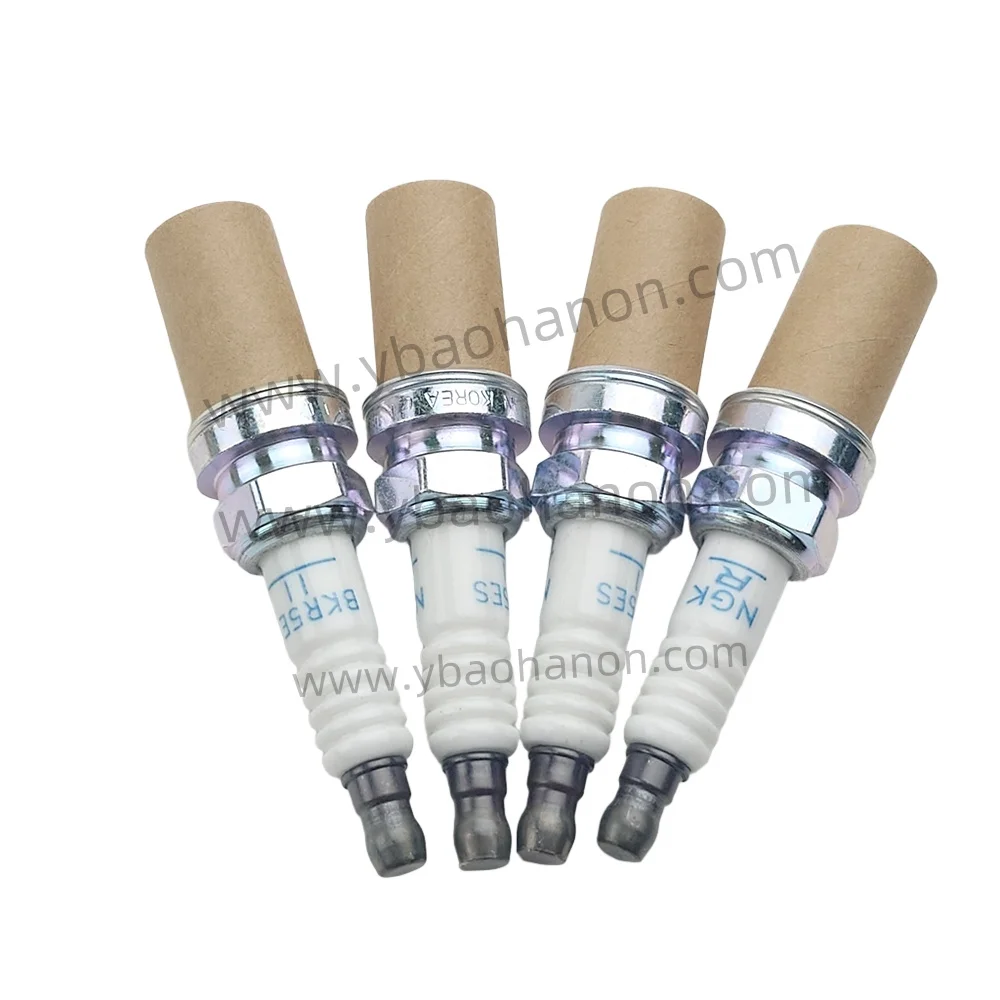
When replacement day arrives, reach for proven OEM-spec iridium plugs made exactly for your motor. For countless Elantra, Tucson, Sonata, Santa Fe, Sportage, Sorento and similar models, the smartest choices carry numbers like 18849-11070 PLUG ASSY-SPARK and 18814-11051 PLUG ASSY-SPARK. These feature laser-welded iridium tips that laugh at wear, super-fine center electrodes only 0.7–0.8 mm across, and precise resistor values built in. The spark jumps easier, burns cleaner, and stays strong mile after mile.
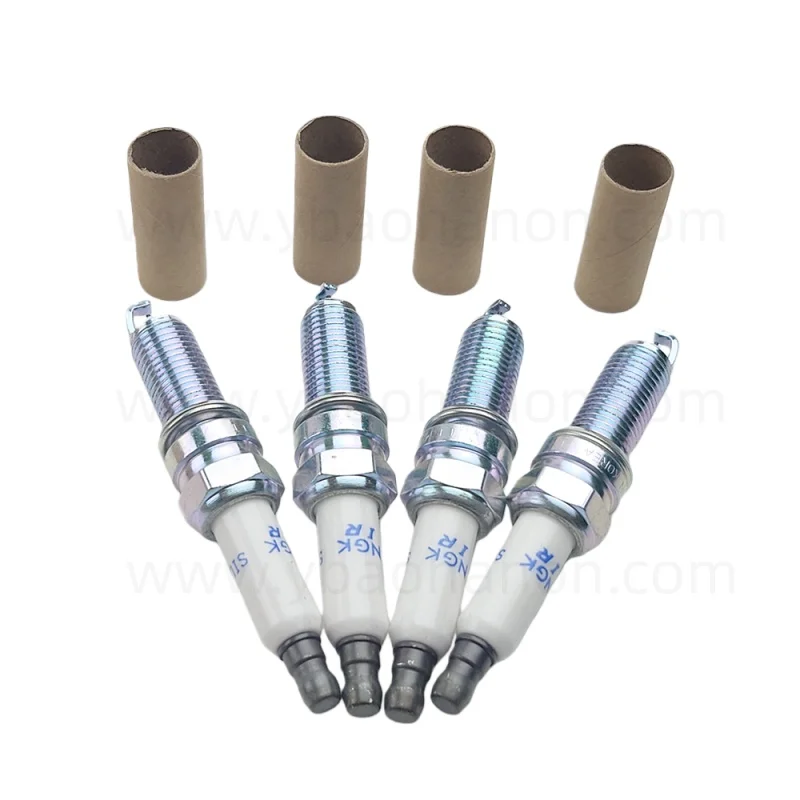
Owners swear by the difference: buttery-smooth idle, instant response the moment you touch the throttle, and genuinely better mileage. Other rock-solid OE numbers you’ll see on shelves include 18855-10060 PLUG ASSY-SPARK (a favorite in many 1.6L and 2.0L engines), 18849-09085 PLUG ASSY-SPARK (common in turbo 1.6L setups), 18846-08071 PLUG ASSY-SPARK, 18846-10060 PLUG ASSY-SPARK, 18846-11070 PLUG ASSY-SPARK (all over 2010–2021 Tucson, Elantra, and Santa Fe engines), 18847-11160 PLUG ASSY-SPARK, and 18849-08080 PLUG ASSY-SPARK. Every single one fits like the original, fires exactly the way the engineers planned, and keeps check-engine lights away.
I’ve watched engines come back to life just from a proper plug swap. One friend with a 2018 Sonata rolled in frustrated – occasional hiccups, sluggish on ramps, and mileage down almost 10%. Eight new 18849-11070 plugs later he was grinning ear to ear: no more stumbles, power felt brand-new, and he picked up two solid mpg on his daily commute. That’s real-world proof that the right parts deliver.
Put It All Together and Enjoy the Rewards
Stick with these seven straightforward habits and your engine will stay happy, strong, and thrifty for years and hundreds of thousands of miles. You’ll spend less at the pump, dodge those scary breakdown moments, and keep your car’s resale value high when the day comes to sell.
Here’s the part most people miss: top-notch parts make every single tip work better and last longer. That’s exactly why seasoned mechanics and smart owners keep going back to one trusted specialist for genuine-standard Hyundai and Kia pieces. If you’ve ever wasted hours hunting the correct plug online or worried about fake parts from random sellers, you’ll love a supplier that actually stocks every OE number, double-checks fitment against your VIN, packs carefully, and ships worldwide faster than you expect. Shops rely on them daily because everything arrives perfect – no returns, no drama, just happy customers and engines that run beautifully.
Head over to https://www.ybaohanon.com/ right now and browse for yourself. Need help confirming the right part, want bulk pricing, or just have a quick tech question? The YBAOH team answers fast and knows these cars inside out. Give your engine what it really deserves – you’ll feel the difference every time you turn the key.
FAQ
Q: How do I know if my spark plugs need replacement before the scheduled mileage?
A: Pay attention to shaky idle, sluggish pickup when you accelerate, dropping fuel economy, tough cold starts, or a check-engine light showing misfire codes (P0300–P030x). Pull one plug and look closely – heavy black soot, oily deposits, burned electrodes, or a gap wider than about 0.044 inches all say it’s time.
Q: Can I use any iridium plug or does the exact OE number matter?
A: Heat range, reach, resistor, and projection have to match perfectly. Sticking to the correct OE number like 18846-11070 or 18849-11070 keeps detonation away, protects ignition coils, and won’t void any remaining warranty.
Q: Will upgrading to iridium plugs on an older engine that came with copper help?
A: Absolutely, as long as the heat range is right. You’ll usually enjoy smoother running, easier cold starts, and service life that jumps from 30,000 miles to 100,000 miles or more – just double-check fitment first.


