
Kia Radiator Filler Neck Leaks: How Distributors Can Avoid Wrong Cooling System Parts in Bulk Orders
Kia radiator filler neck leaks can look like a minor coolant issue until the customer returns with a low level, dried residue around the connection, or an overheating complaint.
The filler neck is only one cooling-system part, so you should not order it from a vague description. The leak location, OE number, and hose or radiator connection must point to the same assembly.

Why Filler Neck Leaks Need Exact Leak Location
Visible Coolant Evidence
A leak around a filler neck may leave dried coolant staining, dampness at a joint, or a smell after the engine has been hot. It can also be confused with a hose-end leak, radiator damage, a cap issue, a reservoir connection, or coolant that has travelled from another point. A buyer should ask where the workshop found the leak before suggesting a replacement assembly.
The phrase ‘coolant leak near the radiator’ is not enough for a purchase order. It does not tell you which connection was involved or whether the filler neck is cracked, distorted, loose, or simply adjacent to the actual problem. A correct order starts with the exact location and the part number, then uses pictures as a second check.
Cooling-System Inspection
Kia includes the cooling system and hoses in its multi-point vehicle inspection material. That supports a straightforward purchasing rule: inspect the connected cooling parts before you replace one assembly in isolation.
A filler neck can be part of a wider cooling job. Check the hose connection, clamp, radiator interface, coolant level, nearby abrasion, and any sign that the system has been opened recently. Do not promise that a new filler neck will correct every heat complaint. It is appropriate when the part itself is the confirmed source of the leak.
The Fitment Details Buyers Cannot Skip
OE Number and Connection Shape
Filler neck assemblies can differ in hose angle, diameter, mounting, branch connection, cap arrangement, and the radiator or tank interface. A part that looks close may route a hose incorrectly or fail to sit against its intended mating surface. This is why an OE number and an old-part photo are worth far more than a broad claim that the part fits a familiar Kia model.
Ask for vehicle model, year, engine or market details where available, the number on the old part, and clear views of the connection points. If the buyer does not have a complete catalogue, request a photo that includes the surrounding hose and radiator area. That gives the supplier a better basis for identifying the assembly.
Repair-Scope Questions
Before a bulk order, ask whether the workshop is replacing a cracked filler neck, a damaged hose connection, or a complete cooling component after an impact. The scope matters. A filler neck should not be sold as a stand-in for a radiator, cap, hose, thermostat housing, or water-pump diagnosis.
This is a useful way to reduce claims. When the repair scope is clear, the buyer can request the correct part. When it is unclear, the best next step is another inspection rather than a product substitution. The result may feel slower for one day, but it saves far more time than receiving a cooling part that does not belong on the vehicle.
25329-F2000 Product Data and Order Control
Listed Assembly Information
Listas de STARIA 25329-F2000FILLER cuello ASSY-RADIATOR with part name FILLER NECK ASSY-RADIATOR, DEM number 25329-F2000, original packaging, Hyundai Kia Mobis application, and MOQ 1. Those details make it suitable for a specific enquiry or a small trial, but they do not replace vehicle-level fitment confirmation.
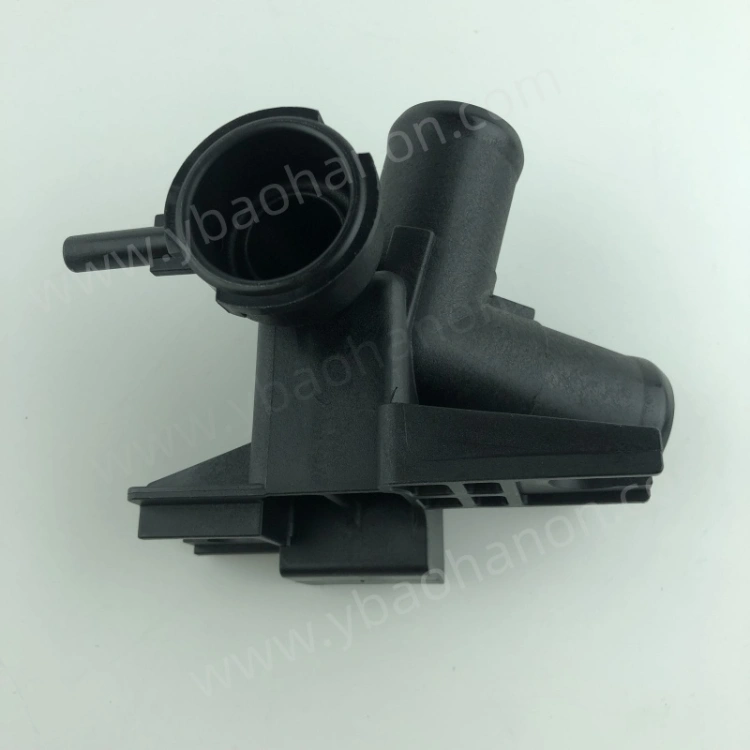
MOQ 1 is useful for buyers who need a sample or a confirmed repair item before they build a broader cooling range. It also gives a distributor room to compare the part against the removed assembly without committing to a large quantity. The part number should remain visible in every step of that trial, from quotation through receiving.
Tabla de control de producto
|
Detalles del producto STARIA |
Información listada |
Verificación del comprador |
|
Producto |
RELLENADOR CUELLO ASSY-RADIATOR |
Use full product description |
|
DEM number |
25329-F2000 |
Primary fitment reference |
|
Marca |
Embalaje original |
Confirm resale need |
|
Aplicación |
Hyundai Kia Mobis |
Check exact vehicle |
|
MOQ |
1 |
Use for sample or controlled order |
The product page gives a practical order record: part name, DEM number, application wording, packaging statement, and MOQ. It does not provide coolant specifications, pressure-test results, or an all-model fitment list. Keep the product facts separate from the vehicle-specific information that your workshop or customer needs to supply.
When This Cooling Part Belongs in Stock
Focused Cooling Demand
A distributor can stock this filler neck when local Hyundai/Kia repairs show repeat demand for the confirmed number and the team can quote it by DEM or OE reference. It can also be a good controlled line for a customer who regularly handles cooling-system repairs and can supply clear feedback about the vehicle applications it sees.
Cooling parts often sell faster in hot periods, but seasonal demand alone is not a fitment check. The best stock lines are tied to a known vehicle population, a clear application record, and an ability to keep similar necks and hoses from being mixed on the shelf.
Poor Stock Assumptions
|
Suposición |
Why It Fails |
Better Action |
|
Coolant leak means filler neck |
Leak can come from several connections |
Locate the source |
|
Photo looks similar |
Hose angle and interfaces can differ |
Match DEM number |
|
One sample fits |
Other versions may vary |
Confirm model and market |
|
Hot weather guarantees sales |
Demand may not match this OE number |
Review repair history |
Kia radiator filler neck leaks should lead to a straightforward decision tree. Replace the assembly when the leak is confirmed at the assembly and the number matches. Pause when the source is unclear. That advice is better for buyers than a generic promise that a new cooling component will solve every temperature complaint.
Warehouse and Return Discipline
Receiving Checks
When a shipment arrives, inspect carton condition, product label, connection points, and visible shape before the assembly is stocked. Compare the part to the approved source record or sample. Keep the product protected from heavy items that could distort fittings or crack a plastic component during storage.
Use shelf labels that include the full DEM number rather than a vague description such as ‘radiator neck.’ Cooling parts can look similar after the carton is opened. A clear label and a retained reference photo stop the warehouse from sending the wrong assembly when an urgent repair request comes in.
Claim Information
If a customer reports a fitment or leak issue, ask for the DEM number ordered, vehicle details, a photo of the removed and supplied part, installation date, connection photos, and the workshop finding. Separate a wrong selection from transport damage, installation damage, and a possible product concern. That makes a fair review possible.
STARIA can help review the part and the purchase record. The distributor should keep the application evidence that explains the original choice. A better record turns future cooling-system orders into repeatable work rather than a fresh matching exercise every time.
Source Cooling Assemblies With STARIA
A Useful Enquiry
When Kia radiator filler neck leaks have been traced to the assembly and the request points to 25329-F2000, send STARIA the DEM number, vehicle data, engine or market detail, connection photos, sample requirement, and planned quantity. This creates a more reliable purchase path than asking for a generic radiator accessory.
Servicio y contacto
Usar STARIA’s cooling-system product path to compare related repair categories, then send the confirmed assembly request through the STARIA contact channel. The purchasing choice is clear: source the filler neck for a documented assembly leak and confirmed vehicle fitment; do not use an uncertain coolant complaint as the only reason to order it.
Preguntas frecuentes
Do Kia radiator filler neck leaks always mean the whole radiator must be replaced?
No. The leak may be at the filler neck, hose, clamp, cap area, radiator, or another cooling connection. Identify the exact source before you order a replacement assembly.
What should a buyer send for a 25329-F2000 request?
Send the DEM number, vehicle model and year, engine or market detail, photos of the old part and connection points, sample need, and target quantity.
Why is MOQ 1 useful for this filler neck assembly?
It allows a buyer to request a confirmed repair item or a sample before building a wider stock position. The vehicle fitment still needs to be checked.