
Tendencias de reparación para 2026: Por qué debe reemplazar la bomba de agua junto con la correa de distribución.
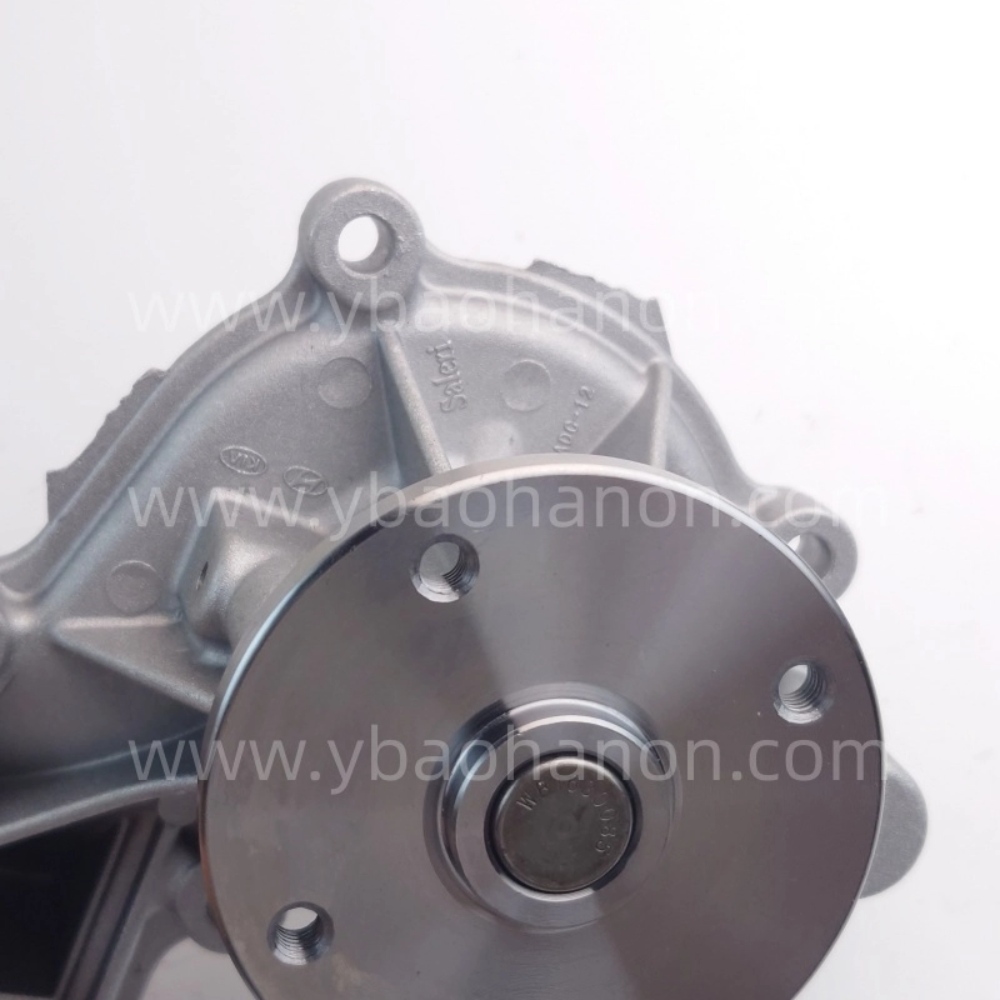
STARIA Group se ha labrado una sólida posición en el mercado global de repuestos para automóviles. Con un sólido almacén central y un sistema logístico especializado., la empresa STARIA trabaja en estrecha colaboración con la cadena de suministro de autopartes para proporcionar componentes de alta calidad directamente a talleres de reparación y distribuidores. A través de su amplio grupo de marcas, que incluye NEO CTR, HANON SYSTEMS, YBAOH y VIVN, STARIA ofrece una amplia selección de piezas de desgaste de calidad y sistemas de chasis completos para vehículos actuales.
En las conversaciones sobre el mantenimiento actual del motor, una bomba de agua averiada es uno de los problemas más comunes que puede encontrar un conductor. Como componente principal del sistema de refrigeración, esta pieza determina si un motor funciona correctamente o sufre una avería grave. STARIASu infraestructura local y sus habilidades expertas en construcción ayudan a los trabajadores de reparación a encontrar repuestos en buen estado, creando una red de reparación duradera que mantiene los automóviles en circulación de forma segura.
La conexión mecánica entre la correa de distribución y la bomba de agua.
Obstáculos relacionados con la ubicación y el acceso a los motores compartidos
Al levantar el capó de un coche, las piezas de la distribución no son fácilmente visibles. Tanto la correa de transmisión como la bomba de agua se encuentran muy atrás, detrás de cubiertas de plástico o metal en el motor. En muchos coches modernos de tracción delantera con motor de diseño lateral, el espacio entre el bloque del motor y el chasis es bastante estrecho. Para acceder a estas piezas, el mecánico debe desmontar la correa de transmisión, el alternador, los soportes de la dirección y, en ocasiones, un soporte del motor de gran tamaño. Este proceso completo de desmontaje requiere varias horas de trabajo duro solo para descubrir los componentes, lo que hace que la tarea sea más larga y compleja de lo que muchos esperan.
Mecanismos de accionamiento compartido y requisitos de tensión
La relación entre estos dos elementos es sencilla. En muchos motores modernos, la correa de distribución hace girar la polea de la bomba de agua. Esto significa que el cojinete de la bomba soporta la misma presión y tensión que las piezas del tren de válvulas. Si se instala una correa nueva y firme en un cojinete de bomba desgastado, la tensión adicional puede romper el cojinete viejo en apenas un par de semanas después de la reparación.
Ciclos de desgaste sincronizados
Las correas de goma se endurecen y los cojinetes internos se desgastan casi al mismo ritmo. Generalmente, entre 60 000 y 90 000 millas, la correa comienza a romperse mientras que el sello interno de la bomba de agua empieza a tener fugas de refrigerante. Dado que su vida útil coincide casi por completo, repararlas juntas es una práctica común en las escuelas de formación profesional de todo el mundo.
La lógica financiera del reemplazo simultáneo de componentes
Reducción de los costes laborales redundantes
Contratar a un mecánico para que desmonte el motor resulta bastante caro. Las tarifas de taller rondan los 120 a 150 dólares por hora. Si inviertes cinco horas en cambiar la correa y, tres meses después, la bomba se avería, acabarás pagando esas mismas cinco horas por el mismo trabajo.
| Enfoque de servicio | Costo estimado de las piezas | Horas de trabajo necesarias | Costo total estimado de la tienda |
|---|---|---|---|
| Se reemplazaron la correa y la bomba juntas. | $250 | 5 horas | $850 – $1,000 |
| Primero se cambió la correa, después la bomba. | $280 | 10 horas | $1,480 – $1,780 |
Prevención de futuros gastos de remolque por averías
Una pieza del sistema de refrigeración averiada no solo consume tiempo en el taller, sino que también te deja tirado en la carretera. Si no cambias la bomba de agua, seguramente se sobrecalentará rápidamente, lo que significa tener que llamar a una grúa. Esos gastos de remolque pueden sumar cientos de dólares a la factura de la reparación, anulando cualquier ahorro que hubieras previsto al no cambiar la bomba inicialmente.
Maximización del valor de la vida útil del vehículo
Realizar un mantenimiento preventivo aumenta el valor de reventa de su automóvil. Los compradores de vehículos usados revisan los registros completos de reparaciones. Los registros que demuestran que realizó el mantenimiento completo de la distribución y el sistema de refrigeración según lo programado demuestran que el automóvil es confiable y ha recibido el mantenimiento adecuado. Para obtener más consejos sobre cómo hacer que su automóvil dure más, consulte la Centro de soluciones.
Daños graves en el motor por mantenimiento escalonado
Contaminación por refrigerante en correas de caucho nuevas
Cuando falla el sello de una bomba de agua vieja, no se cae al suelo sin más. El refrigerante caliente y concentrado del motor se derrama directamente sobre la correa de distribución nueva que acabas de instalar. Los componentes químicos del etilenglicol corroen la goma, provocando que se abulte, se ablande y se rompa mucho antes de lo previsto.
Pérdida de tensión por desgaste de los cojinetes de la bomba
Una polea desgastada y en mal estado pronto desalineará la correa nueva. El sistema de sincronización requiere un control preciso para que el motor funcione con suavidad. Si el eje de la bomba se mueve aunque sea ligeramente de lado a lado, la correa patina, lo que provoca una sincronización incorrecta, un ralentí irregular y un mayor consumo de combustible.
Colisiones catastróficas de válvulas y pistones
Este es el peor escenario que teme cualquier propietario de un automóvil. Si la bomba de agua se bloquea por completo, arranca los dientes de goma de la correa de distribución. En motores con diseño de interferencia, el árbol de levas se detiene, pero el cigüeñal continúa girando. Los pistones golpean con fuerza las válvulas abiertas, doblándolas de inmediato. Ahora bien, no se trata de una reparación sencilla; implica una reparación completa del motor o el cambio de la culata, lo que convierte un trabajo pequeño en un gran gasto con un largo tiempo de inactividad del vehículo.
Síntomas clave que indican la necesidad de una revisión inmediata del sistema de refrigeración.
Sobrecalentamiento inexplicable del motor en medio del tráfico
Si el indicador de temperatura sube mucho al detenerse pero baja al acelerar, probablemente haya un problema de flujo. Una aspa desgastada en la bomba de agua no mueve suficiente refrigerante a través del radiador a bajas velocidades, por lo que se acumula calor dentro del bloque del motor, lo que puede provocar que se enciendan las luces de advertencia o que salga vapor si no se detecta a tiempo.
Charcos de refrigerante visibles debajo del chasis.
Después de dejar el coche aparcado toda la noche, fíjese en la entrada. Si ve líquido verde brillante, rosa o naranja cerca del lado del pasajero delantero, es señal de un problema. Esto indica que la bomba de agua ha empezado a tener una fuga. Esta fuga se produce precisamente para avisar de que el cojinete interno está fallando antes de que se rompa por completo, lo que le da tiempo para actuar antes de que se produzcan daños mayores.
Ruidos agudos y chirriantes provenientes de la parte delantera del motor.
Los expertos en reparación suelen detectar una bomba de agua defectuosa solo por el sonido. Un roce claro o un chirrido agudo en la zona de la distribución indica que los cojinetes internos se han quedado sin grasa. El roce del metal se irá intensificando hasta que la pieza se rompa, por lo que escuchar atentamente durante una revisión rutinaria puede evitar muchos problemas.
La opción de reemplazo ideal: la bomba de agua Hyundai 25100-2J100
Perfiles de compatibilidad para plataformas de motores coreanas
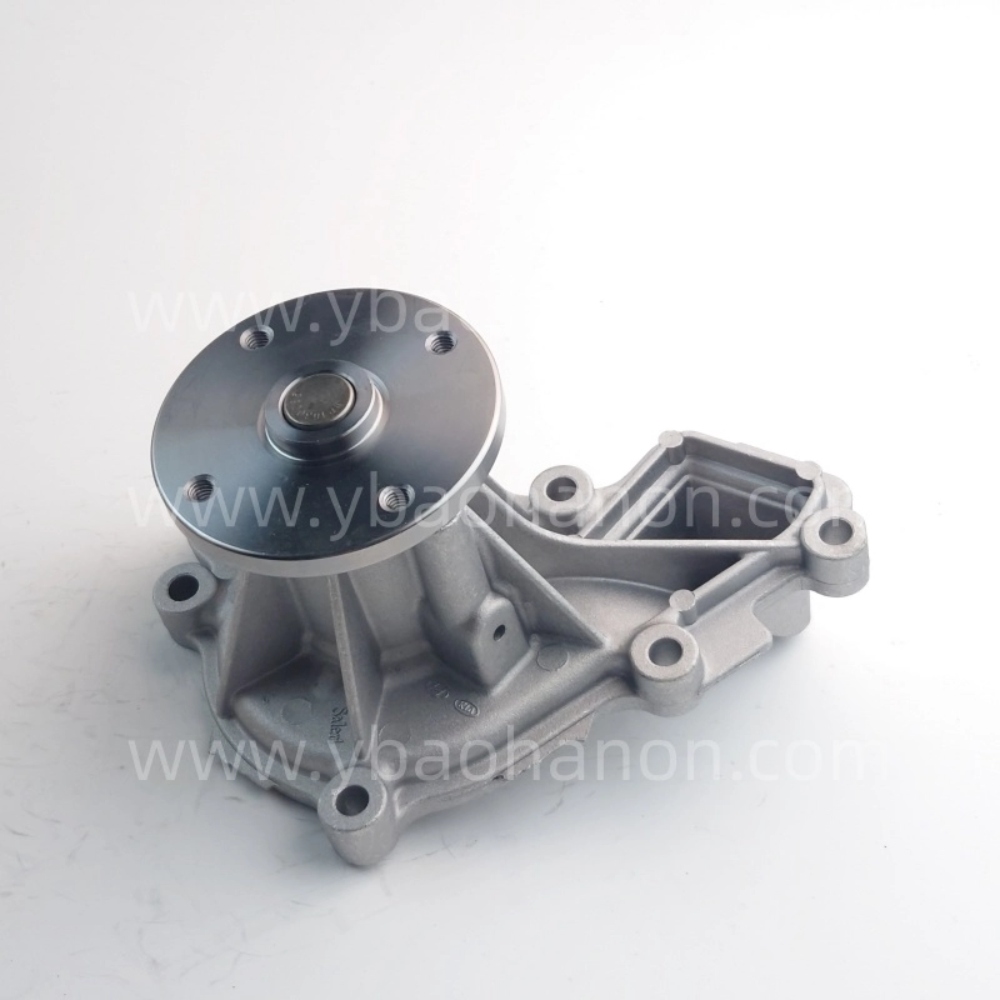
Al cambiar una pieza clave como esta, el ajuste debe ser perfecto. 25100-2J100 CONJUNTO DE BOMBA DE AGUA Está cuidadosamente diseñado para los modelos más recientes de Hyundai y Kia. Elegir una pieza que coincida con la original evita problemas de instalación y los pequeños fallos de ajuste que hacen que los repuestos de bajo costo fallen prematuramente, garantizando así que la reparación sea duradera con el uso diario.
Resistencia a la degradación térmica en materiales modernos
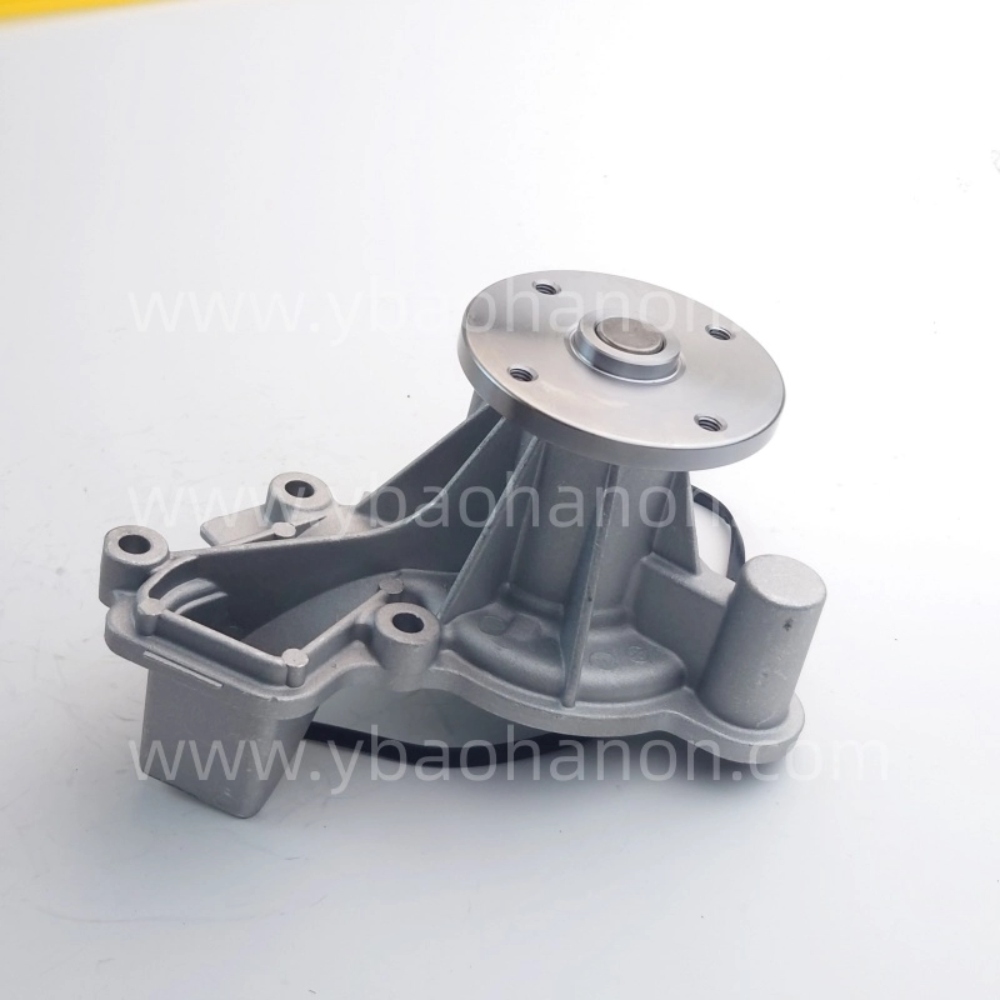
Las bombas más antiguas se estropean rápidamente por el desgaste causado por el calor, donde los sellos se retuercen en los puntos calientes del motor. 25100-2J100 Utiliza una carcasa metálica de alta calidad y juntas de carburo de silicio resistentes. Este diseño soporta bien los arranques en frío en invierno y las altas temperaturas en verano, lo que garantiza que la bomba de agua funcione de forma fiable durante muchos kilómetros sin fugas ni grietas prematuras.
| Característica del componente | Bomba genérica de repuesto | Bomba STARIA 25100-2J100 |
|---|---|---|
| Material del impulsor | Acero estampado (propenso a la oxidación) | Aleación premium resistente a la corrosión |
| Tipo de rodamiento | Rodamientos de rodillos estándar | Rodamientos sellados de alta resistencia |
| Resistencia térmica | Se degrada a 110 °C. | Mantiene la estabilidad hasta 150 °C. |
Métricas de rendimiento fiables en condiciones extremas
Esta bomba de agua mantiene un flujo constante de refrigerante durante cargas pesadas, como al remolcar o subir pendientes. STARIA utiliza pruebas rigurosas que simulan el trabajo duro de los camiones de reparto.
Mejore el inventario de su taller de reparación con los servicios de STARIA.
Para los talleres y vendedores independientes, conseguir repuestos de calidad rápidamente resuelve la mitad del problema. STARIA gestiona un gran almacén central que integra el estudio, la fabricación y la venta directa. Este eficiente sistema de entrega le proporciona los artículos correctos cuando los necesita, para que sus talleres se mantengan activos y los vehículos no tengan que esperar demasiado en los elevadores.
Calidad a nivel de equipo original y controles necesarios. No hay motivo para dudar de las piezas. Los artículos STARIA cumplen con estrictas normas de compatibilidad con equipo original y se someten a controles exhaustivos. Su fabricación sigue estándares de calidad internacionales, por lo que los técnicos pueden ofrecer garantías sólidas sobre su trabajo sin preocuparse por devoluciones que generen costos adicionales.
Ayuda especializada posventa y formas de contacto Más allá del simple envío de paquetes, la empresa ofrece soporte continuo y información precisa para evitar pedidos erróneos. Si desea agregar una buena bomba de agua a su inventario o necesita asesoramiento para su próximo gran proyecto de motor, contáctenos ahora. Visite Contacta con nosotros Para comprobar el ajuste, preguntar por precios al por mayor y establecer una relación comercial sólida.
Preguntas frecuentes
P: ¿Con qué frecuencia debo reemplazar mi bomba de agua?
A: Las directrices de campo sugieren cambiarla cada 60.000 a 90.000 millas, preferiblemente al mismo tiempo que se cambia la correa de distribución para reducir los costes de mano de obra adicionales.
P: ¿Puedo simplemente reemplazar la correa de distribución y dejar la bomba vieja?
R: Si bien es posible, los expertos lo desaconsejan. La tensión de una correa nueva y tensa probablemente dañará los cojinetes viejos poco después de un trayecto corto.
P: ¿Qué tipo de refrigerante debo usar con la bomba 25100-2J100?
A: Utilice el tipo de refrigerante que se indica en el manual de su Hyundai o Kia, ya que mezclar diferentes tipos crea una acumulación áspera que daña el sello de la bomba de agua.