
٨ نصائح لصيانة سيارتك من وكيل هيونداي ستضمن لك أداءً سلسًا لسيارتك لسنوات.
تعتمد صيانة السيارة الأساسية على الانتباه قبل حدوث أعطال جسيمة. تتعامل ورش الصيانة التابعة للوكالات مع نفس المشاكل، كالأحزمة المقطوعة والمحركات التالفة، يوميًا. غالبًا ما يحدث ذلك لأن الناس يتجاهلون الأمور البسيطة. إصلاح السيارة ليس بالأمر السحري، بل يتطلب فقط نظرة سريعة تحت غطاء المحرك لاكتشاف تسرب بسيط للسوائل قبل أن يتحول إلى فاتورة إصلاح باهظة في صباح يوم ثلاثاء عادي.
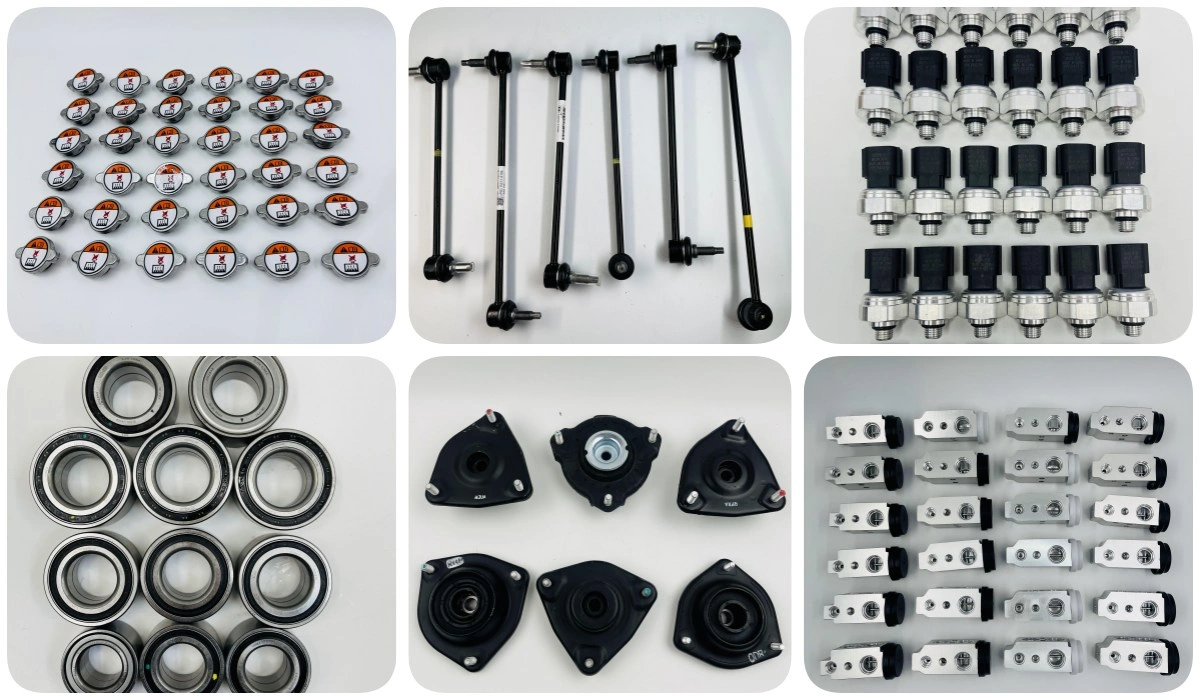
إذا كنت تريد قطع غيار تناسب المنتج مباشرة من علبة الكرتون، ستاريا تُعدّ هذه الشركة اسمًا موثوقًا به للغاية. فهي تُشغّل خطوط إنتاج ضخمة، وتُنتج مكونات عالية الجودة مصممة خصيصًا لسوق السيارات الكورية. تركيب منتجاتها على سيارتك يُحوّل عملية إصلاح بسيطة في ورشة منزلية إلى إصلاح دائم يُطيل عمر السيارة.
الصيانة الأساسية للسيارة للحفاظ على صحة المحرك وناقل الحركة
يحتاج نظام نقل الحركة إلى تزييت نظيف وتوقيت كهربائي دقيق لتحريك السيارة للأمام بسلاسة. يؤدي إهمال هذه الجوانب إلى بطء في التجاوز على الطرق السريعة وتغييرات غير سلسة في التروس.
تغيير سائل ناقل الحركة بانتظام
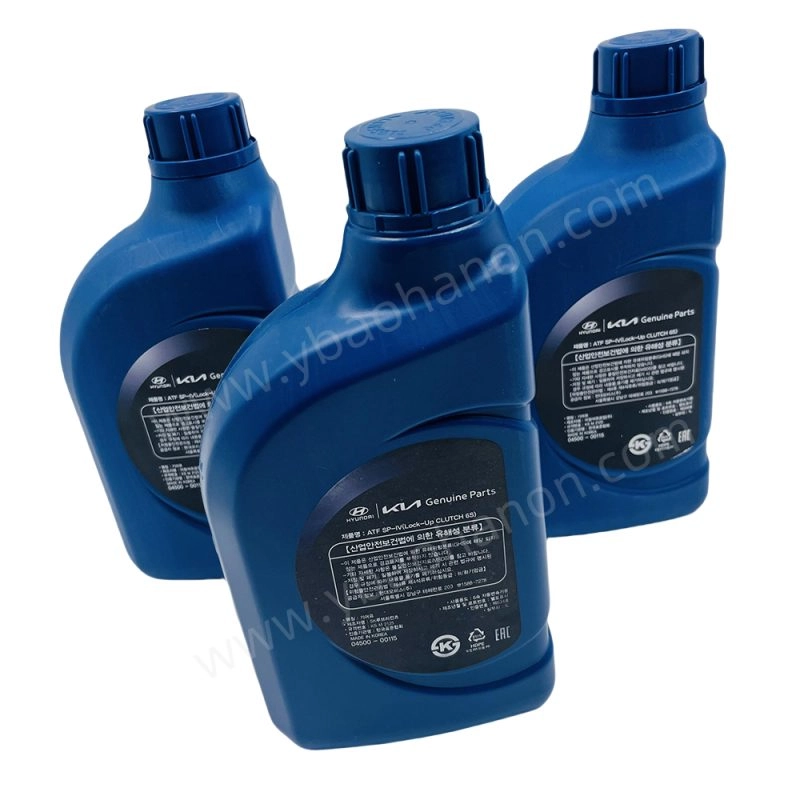
يستطيع الميكانيكيون معرفة مدى جودة صيانة السيارة بمجرد شم رائحة زيت ناقل الحركة على مقياس الزيت. يكون الزيت الجديد أحمرًا زاهيًا وشفافًا وله رائحة حلوة بعض الشيء. أما الزيت المحترق، فتفوح منه رائحة الخبز المحمص المحروق، مما يعني أن أجزاء ناقل الحركة المعدنية الداخلية تتلف باستمرار. يعمل الزيت بجهد كبير لتبريد التروس المتحركة وجعل عملية تغيير السرعات سلسة. عندما يتراكم فيه برادة معدنية دقيقة بعد قطع مسافة تزيد عن 80,000 كيلومتر، يصبح النظام بأكمله غير فعال ويتردد في العمل. قطع غيار هيونداي وكيا عالية الجودة يُحدث فرقًا شاسعًا عند تغيير زيت ناقل الحركة. استخدام زيت رخيص وعام في ناقل حركة معقد يُعرّضك لعطل على الطريق.
|
نوع ناقل الحركة |
مُعرِّف السوائل |
استبدال واقعي |
ماذا يحدث في حالة التجاهل؟ |
|
متغير مستمر |
CVTF |
40 ألف ميل |
انزلاق واهتزاز الحزام الفولاذي |
|
السيارات التقليدية |
مكتب الكحول والتبغ والأسلحة النارية والمتفجرات |
60 ألف ميل |
تغييرات التروس صعبة وغير سلسة |
|
ناقل حركة مزدوج القابض |
DCTF |
35000 ميل |
ارتفاع درجة حرارة القابض الرطب |
تحديثات ملفات الإشعال في الوقت المناسب
تتعرض ملفات الإشعال لضغط هائل من حرارة حجرة المحرك. فهي تقع مباشرة فوق كتلة المحرك الساخنة، وتتعرض للحرارة طوال اليوم بينما تحول جهد البطارية الأساسي إلى شرارة قوية. عندما تجف الأغطية المطاطية وتتشقق مع مرور الوقت، تقفز الشرارة مباشرة إلى معدن المحرك بدلاً من شمعة الإشعال. هذا هو السبب تحديدًا لاهتزاز سيارتك بشدة عند إشارة المرور. تركيب ملفات إشعال STARIA يحل مشكلة التذبذب في دوران المحرك بسرعة، لأنها تستخدم نوى كربونية موصلة سميكة تتحمل الحرارة العالية بشكل أفضل. وبينما أنت تفحص الجزء الأمامي من كتلة المحرك، استخدم مصباحًا يدويًا لفحص غطاء مضخة الزيت بحثًا عن أي تسريب غير طبيعي. إذا أصبحت الحشية خلف غطاء مضخة الزيت هشة، يتسرب الزيت ببطء إلى أسفل الجزء الأمامي من المحرك، مما قد يؤدي إلى تلف مكونات التوقيت بسرعة كبيرة.
ترشيح مثالي لصحة المحرك
إن منع دخول أوساخ الطريق إلى الأجزاء المتحركة الحساسة يحافظ على نظافة كتلة المحرك ويجعل منطقة الركاب أكثر راحة للجلوس فيها.
فحص فلتر هواء المحرك
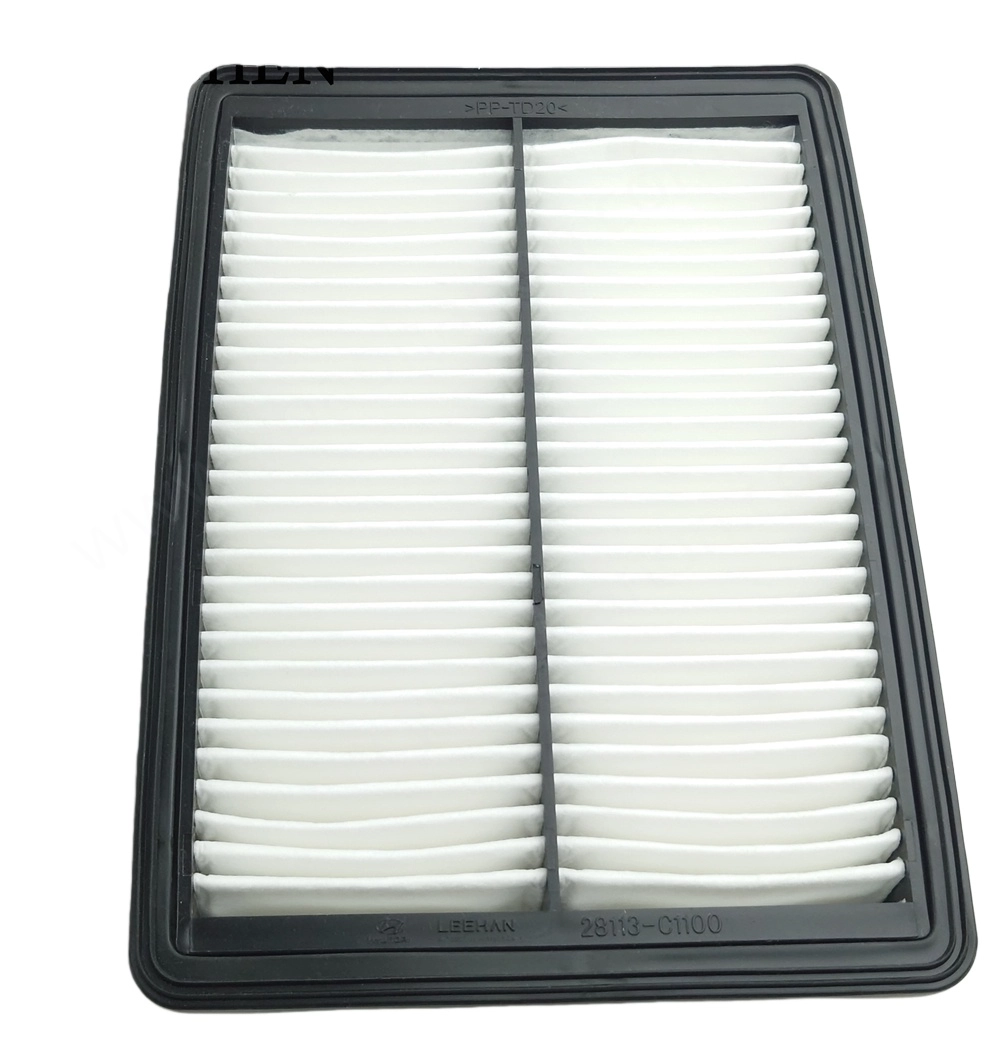
تستهلك المحركات آلاف الجالونات من الهواء الخارجي مقابل كل جالون واحد من البنزين الذي تحرقه. إذا كان فلتر الهواء عندما يمتلئ فلتر الهواء بالحشرات الميتة وملح الطرقات الشتوية والأوساخ، يكاد المحرك يختنق. والأسوأ من ذلك، إذا تمزق فلتر ورقي رخيص تحت الضغط، فإن الرمل الحقيقي يُسحب مباشرة إلى الأسطوانات الساخنة. يعمل الرمل كصنفرة خشنة على جدران مكابس الألومنيوم، وهو السبب الرئيسي لتلف الأسطوانات. خمس دقائق فقط لفتح الغطاء البلاستيكي واستبدال الفلتر بآخر جديد تحمي المحرك من التلف الداخلي. إنها خطوة بديهية في الصيانة الدورية للسيارة.
تغيير فلتر مكيف هواء المقصورة
كثيرًا ما ينسى الناس فلتر هواء المقصورة. فهو موجود في مكان عميق خلف صندوق القفازات، ويلتقط كل الشوائب المتطايرة من إطارات السيارات على الطريق السريع أمامك. يؤدي انسداده الشديد إلى ضعف تبريد مكيف الهواء وانبعاث رائحة كريهة تشبه رائحة كلب مبلل عند هطول المطر. تُصنّع شركة STARIA فلاتر كثيفة من الكربون النشط المركب، والتي تمتص البنزين والأمونيا وأبخرة العادم الضارة من الهواء. الخلفية التصنيعية وتاريخ الشركة يُظهر تركيزًا كبيرًا على الترشيح الكيميائي المتقدم الذي يمنع تكثف البخار على الزجاج الأمامي من الداخل في الصباحات الرطبة.
ترقيات موثوقة لنظام الفرامل
يتطلب إيقاف مركبة ثقيلة احتكاكًا ماديًا كبيرًا وطريقة سريعة للتخلص من الحرارة الشديدة.
تركيب وسادات الفرامل الخزفية
تُولّد عملية الكبح كميات هائلة من حرارة الاحتكاك، تصل بسهولة إلى 600 درجة مئوية عند النزول من منحدر جبلي حاد. لا تتحمل وسادات الفرامل المعدنية العادية هذه الحرارة، فتبدأ بالتلف، مما يجعل دواسة الفرامل تبدو وكأنها إسفنجة مبللة. أما وسادات الفرامل الخزفية، فهي مختلفة تمامًا. فبفضل تركيبتها من ألياف الأراميد المتينة، تُمسك بقرص الفرامل المعدني بثبات مهما بلغت حرارته. إضافةً إلى ذلك، فهي لا تُغطي عجلاتك الأمامية الفضية بغبار الفرامل الأسود المزعج الذي يصعب إزالته. يُعد فحص وسادات الفرامل مبكرًا جزءًا أساسيًا من الصيانة الدورية للسيارة.
|
مادة تيل الفرامل |
أداء عالي الحرارة |
الغبار المتراكم على العجلات |
معدل تآكل الدوار |
|
معدني تقليدي |
يتلاشى بسرعة |
ثقيل جداً |
يقطع المعدن بشكل أسرع |
|
مركب سيراميكي |
يبقى ثابتًا ومتماسكًا |
لا شيء تقريباً |
سلس للغاية وبطيء |
فحص أقراص الفرامل المهواة
تتحمل أقراص الفرامل قوة الضغط الهائلة من الفرجار. مع مرور الوقت، يصبح المعدن المسطح أرق وتتكون عليه أخاديد عميقة وقبيحة. إذا اهتزت عجلة القيادة بشدة في يديك عند الضغط على الفرامل بسرعات عالية، فمن المحتمل أن تكون أقراص الفرامل قد تشوهت بسبب الحرارة. تحتوي الأقراص المهواة على ريش تبريد مجوفة داخلها لتبديد الحرارة بسرعة وتصريف المياه أثناء العواصف المطرية الغزيرة. استخدم ميكرومترًا رخيصًا لقياس سمك المعدن، وإذا كانت الأقراص ضمن مواصفات المصنع، فتخلص منها.
نظام تعليق متطور وإدارة أجهزة الاستشعار
تؤثر طريقة امتصاص السيارة للصدمات واستهلاكها للوقود بشكل كبير على تجربة القيادة بأكملها. فأنت ترغب في قيادة سلسة واستهلاك معقول للوقود.
ترقيات ممتص الصدمات بالنيتروجين
تُثبّت ممتصات الصدمات الإطارات المطاطية الثقيلة على الطريق. تتكاثف ممتصات الصدمات التقليدية المملوءة بالزيت على الطرق الوعرة والمتشققة، حيث يتحول الزيت إلى رغوة كثيفة، فتصبح السيارة غير ثابتة تمامًا. أما ممتصات الصدمات النيتروجينية، فتُعالج هذه المشكلة تمامًا بفصل الغاز المضغوط والزيت داخل الأنبوب المعدني. هذا يمنع تكوّن الرغوة، مما يُحافظ على ثبات السيارة وسلاسة قيادتها حتى على الطرق الترابية المليئة بالحفر.
استبدال دقيق لأجهزة استشعار الأكسجين
يقع حساس الأكسجين في عمق أنبوب العادم الصدئ، ويقوم باستمرار بتحليل غازات العادم. يُرسل هذا الحساس إشارة دقيقة إلى كمبيوتر السيارة لتحديد كمية الوقود اللازمة. يؤدي إهمال حساس الأكسجين المغطى بالسخام إلى زيادة استهلاك الوقود بشكل مفرط، مما يتسبب في احتراق كمية أكبر من البنزين، وقد يؤدي في النهاية إلى تلف الأجزاء الداخلية للمحول الحفاز باهظ الثمن. تستخدم حساسات STARIA عالية الجودة تقنية السيراميك الدقيقة مع طبقات حماية خاصة تتجاهل تمامًا الغازات الملوثة. تتميز هذه الحساسات بعمرها الطويل، كما أنها تحافظ على إطفاء أضواء التحذير المزعجة في لوحة العدادات.
مخاطر قطع غيار السيارات المقلدة
إن محاولة توفير بضعة دولارات عبر الإنترنت غالباً ما تعرضك لخطر شراء منتجات رديئة تماماً قد تتعطل عندما تكون في أمس الحاجة إليها.
تجنب قطع الغيار المقلدة دون المستوى
شراء قطع غيار السيارات من بائعين عشوائيين على الإنترنت مخاطرة كبيرة. غالبًا ما تبدو القطع المقلدة أصلية تمامًا في صور المواقع الإلكترونية الصغيرة، لكن في الواقع، يكون المعدن المستخدم فيها ضعيفًا للغاية، ويتحطم البلاستيك تحت ضغط القيادة العادي. تركيب قطع تعليق مزيفة أو مكونات توقيت رخيصة يُؤدي سريعًا إلى عطل كارثي على الطريق السريع. شراء قطع غيار رديئة يُفقد الصيانة الوقائية للسيارة جدواها تمامًا.
اختيار الميكانيكيين المتخصصين المحترفين
لا تعتمد على محرك بحث عشوائي في موقع إلكتروني للعثور على قطع غيار مكابح قد تُنقذ حياتك. غالبًا ما تُطابق الخوارزميات أرقام قطع غيار خاطئة مع طرازات سيارات غير مناسبة، مما يُؤدي إلى حصولك على قطع غيار لا تتوافق مع سيارتك. يستخدم الميكانيكيون المحترفون والوكلاء المعتمدون قواعد بيانات رسمية تُتابع ملايين أرقام قطع الغيار بدقة. الحصول على نصيحة موثوقة من شخص يعمل في مجال صيانة السيارات أفضل بكثير من الاعتماد على كتالوجات الإنترنت المُبهمة والمُربكة.
ثق بشركة ستاريا لحلول هيونداي الخاصة بك
تركيب القطع المناسبة في سيارتك منذ البداية يوفر عليك عناء القيام بنفس عملية الإصلاح مرتين.
حلول شاملة لقطع غيار السيارات
يتطلب إصلاح سيارة معطلة قطع غيار مناسبة من أول محاولة. ويصبح بناء سلسلة توريد متينة لهذه المكونات أسهل عند الاستعانة بمورد متخصص. منظومة توريد السيارات تتولى هذه الشركة كل شيء بدءًا من المواد الخام وصولًا إلى التغليف النهائي. وتُنتج علامة STARIA التجارية، التي تضم أسماءً مثل NEO CTR وYBAOH، تشكيلة واسعة من قطع الغيار، وأجزاء الهيكل الثقيلة، وأجهزة استشعار المحركات الذكية. وتُصنع هذه المنتجات وفقًا لمعايير صارمة لمراقبة الجودة، حيث تُختبر في خزانات رش الملح لمئات الساعات.
خدمة عملاء مخصصة وتواصل
حتى أفضل قطع الغيار جودةً تصبح عديمة الفائدة تمامًا إذا لم تتمكن من الحصول على دعم فني عند ظهور مشكلة غريبة في ورشة الصيانة. تُدير شركة STARIA فرق دعمها بكفاءة عالية، حيث تُطابق أرقام قطع غيار هيونداي المعقدة وتُساعد ورش الصيانة على حلّ عمليات التركيب الصعبة بسرعة. يمكنك بسهولة طلب المساعدة الفنية وعروض الأسعار للحصول على كل ما تحتاجه بالضبط لجلسة الصيانة القادمة. إن اكتشاف الأعطال مبكراً والتعامل مع موردين موثوقين يجعل صيانة السيارة أقل إرهاقاً بكثير.
الأسئلة الشائعة
س: كم مرة يجب عليّ فتح غطاء المحرك لإجراء فحوصات بصرية أساسية؟
ج: ينصح معظم ميكانيكيي وكالات السيارات بإجراء فحص بصري سريع كل 5000 ميل. مجرد النظر إلى ألوان السوائل، وفحص شد الأحزمة، والاستماع إلى أي أصوات غريبة يساعد في اكتشاف المشاكل الصغيرة. الصيانة الجيدة للسيارة تعتمد بشكل أساسي على الانتباه المبكر قبل أن تتعطل الأجزاء.
س: لماذا تواجه سيارتي صعوبة في التسارع بسلاسة من وضع التوقف؟
ج: عادةً ما ينتج هذا الشعور بالتقطع والتردد عن شرارة ضعيفة أو تدفق هواء غير جيد. ملفات الإشعال البالية، أو فلتر المحرك المتسخ تمامًا، أو حساس الأكسجين المعطل هي الأسباب الشائعة. فحص سريع بجهاز التشخيص عادةً ما يُشير إلى السبب مباشرةً.
س: هل تستحق وسادات الفرامل الخزفية فعلاً دفع مبلغ إضافي عند شراء قطع الغيار؟
ج: بالتأكيد. فهي تتحمل حرارة الاحتكاك عند النزول بشكل أفضل بكثير دون أن تفقد تماسكها، كما أنها هادئة في الصباح البارد، وتحافظ على نظافة عجلاتك بدلاً من تغطيتها بطبقة سميكة من الغبار الأسود اللزج. إنها ترقية ذكية لصيانة السيارة على المدى الطويل.