
How Often Should You Change a Hyundai Oil Filter? Mileage and Warning Signs
A hyundai oem oil filter should be changed according to the maintenance schedule for the exact Hyundai model, engine, oil type, and driving conditions. Mileage matters, but warning signs matter too. If the vehicle sees short trips, dust, heat, towing, or long idling, the filter may need closer attention.
STARIA supports Hyundai/Kia buyers with filters, repair parts, sensors, ignition parts, brake parts, and export service. For oil filters, STARIA’s value is practical: confirm the OE number, check the vehicle, discuss packing, and keep repeat stock from turning into a wrong-filter problem.
Start With the Owner Manual, Then Read the Car
Mileage Schedule
Hyundai maintenance schedules vary by model year, engine, market, and driving condition. The safest source is always the current manual for the vehicle. Hyundai’s maintenance manual library is a useful starting point because it lets buyers check the schedule instead of trusting a generic mileage number from a listing.
If the manual gives different normal and severe-use intervals, do not pick the longer one just because it is convenient. Severe use can mean short trips, dusty roads, high heat, stop-and-go traffic, towing, or long idle time. Many vehicles that look like normal daily drivers actually live severe-use lives.
Service History
The second check is the service history. A clean record makes the next oil-filter change easier to plan. A missing record means you should be more conservative. When a used Hyundai arrives with unknown oil history, the first filter change is less about squeezing every mile from the filter and more about resetting trust in the maintenance baseline.
For fleets, write down both mileage and date. A vehicle that travels little but idles daily can still age oil. A vehicle that travels far on steady highway routes may look different. The filter decision should follow how the vehicle lives, not only what number appears on the odometer.
|
Situation |
Mileage Decision |
Buyer Note |
|
Owner manual available |
Follow the listed interval |
Use the exact model and engine schedule |
|
Severe-use driving |
Use the shorter schedule where listed |
Short trips and heat matter |
|
Unknown service history |
Change sooner |
Reset the maintenance baseline |
|
Fleet or taxi use |
Track by mileage and time |
Idle hours can age oil and filter |
|
Warning light or pressure issue |
Inspect immediately |
Do not wait for the interval |
Warning Signs You Should Not Ignore
Oil Pressure and Noise
A dashboard oil-pressure warning, ticking noise after startup, or delayed pressure behavior deserves immediate attention. The filter may not be the only possible cause, but it belongs in the check. Low oil level, wrong oil, sludge, a weak pump, or a poor filter can all create trouble. Do not keep driving just to reach a mileage target.
Mileage is a planning tool, not a permission slip. A car used for gentle highway driving may reach the manual interval without drama. A delivery vehicle that idles, stops, restarts, and runs hot all day can age oil faster. If the service pattern is hard, let the schedule be stricter.
Drivers often describe the early signs casually: the engine sounds dry for a few seconds, the light flickers, or the car feels rough after sitting overnight. Those descriptions are not a diagnosis, but they are useful warnings for the shop.
Dirty Oil and Service Delays
Dark oil alone does not prove the filter is failing, but overdue oil with unknown filter quality is not a good combination. If the oil smells burnt, feels gritty, or the service sticker is long past due, treat the filter as part of the reset. A cheap filter used too long can become the most expensive item in a routine service.
For used cars, do not trust the windshield sticker too much. It may belong to the last oil, the last owner, or a shop that guessed. When in doubt, change the oil and filter, write the date and mileage, and start a clean record. The next service decision becomes easier.
Hyundai OEM Oil Filter Quality Checks
Seal and Valve Behavior
A hyundai oem oil filter decision should consider more than outer shape. The gasket must seal, the shell must handle installation and transport, and the internal valve behavior must suit the engine. A filter that screws on is not automatically the right filter.
Media and Flow Balance
The media has to hold contaminants without choking oil flow. Too much restriction can create poor flow. Too little filtration can leave debris in circulation. Buyers cannot see that balance from a photo, which is why OE number, supplier consistency, and repeatable packing are part of the decision.
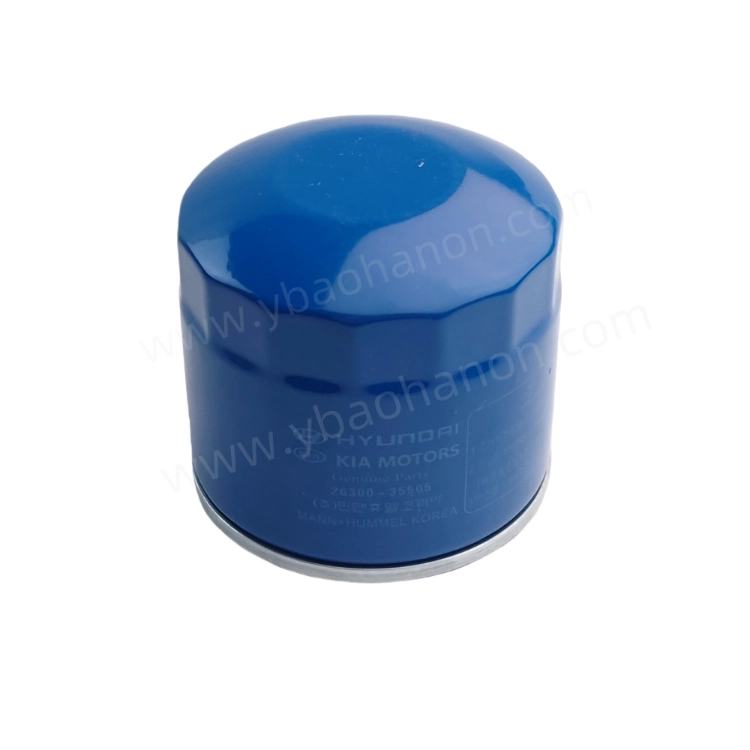
Product Focus: 26300-35505 Filter Assy-Engine Oil
OE Number Confirmation
The FILTER ASSY-ENGINE OIL 26300-35505 should be ordered by OE number and vehicle confirmation, not by a broad Hyundai label. Confirm model, engine, market, and removed filter before bulk purchase.
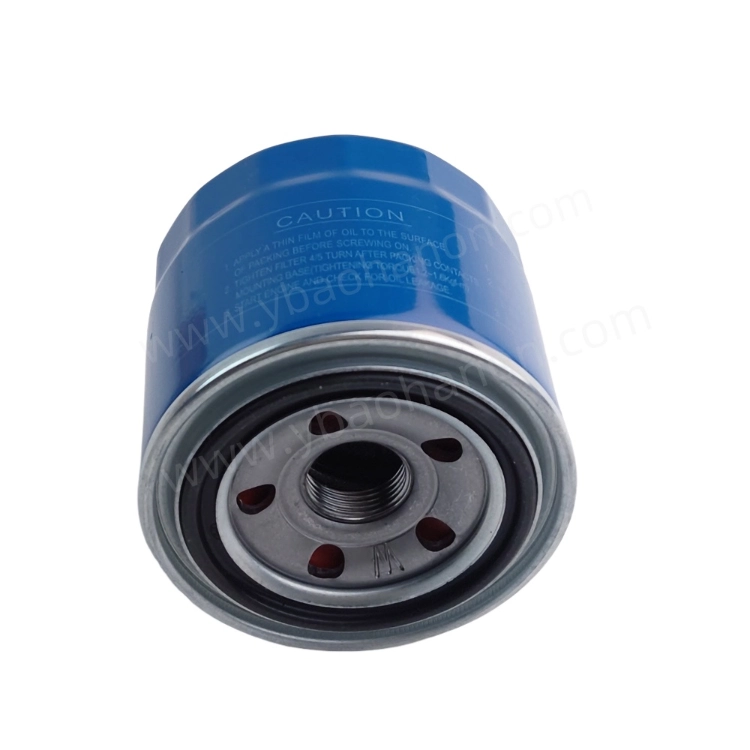
This is especially important for wholesalers. Oil filters move quickly, and fast-moving stock creates fast-moving mistakes when labels are vague. Keep the OE number visible in the quote, carton discussion, and warehouse shelf note.
Ask for carton labeling before a larger order. Filters with similar shapes and nearby part numbers are easy to mix on a shelf. A warehouse picker under time pressure will not study every gasket. Clear labels and separated bins are cheap insurance.
If your customers are small repair shops, add the OE number and intended model range to the invoice description. It helps the shop match the filter later when the box has already been opened or moved from the original shelf.
Product Data for Sourcing
|
Product Data |
Buying Use |
|
Product |
FILTER ASSY-ENGINE OIL 26300-35505 |
|
OE Number |
26300-35505 |
|
Category |
Engine oil filter |
|
Fitment Step |
Confirm Hyundai model, engine, market, and removed filter |
|
Main Risk |
Wrong filter from photo-only or model-only ordering |
When to Change Sooner Than Planned
Severe Driving
Change sooner when the vehicle does frequent short trips, long idling, dusty-road use, high-temperature driving, towing, or fleet work. These conditions can age oil and load the filter faster than gentle highway driving. If the manual has a severe-use schedule, follow that path.
Uncertain Parts History
Change sooner when the previous filter brand, service interval, or oil grade is unknown. Used cars, auction cars, imported vehicles, and fleet disposals often arrive with incomplete service stories. A fresh oil and filter service gives the next maintenance plan a cleaner starting line.
Change sooner after engine work as well. If a valve cover, timing component, oil pan, or related repair was recently handled, fresh oil and a filter can remove small debris and give the shop a clean point for follow-up. It is a small cost compared with a second visit for oil-related noise.
Confirm Oil Filter Supply With STARIA
Practical Buying Judgment
For hyundai oem oil filter buying, use the vehicle manual for timing and the OE number for fitment. Do not stretch a service interval because the car still runs, and do not approve a filter because the photo looks close. Routine parts still need disciplined matching.
Service and Contact
STARIA can help you check 26300-35505 fitment, packing, quantity, and repeat supply. Send the vehicle details and order plan through filter supply support before turning a maintenance item into a parts complaint.
FAQ
How often should you change a Hyundai oil filter?
Follow the owner manual for the exact model, engine, market, oil type, and driving condition. Use the shorter severe-use schedule when the vehicle sees hard service.
What warning signs suggest the filter should be checked early?
Oil-pressure warning, unusual startup noise, overdue service, burnt-smelling oil, gritty oil, or unknown service history are all reasons to inspect sooner.
Why does hyundai oem oil filter matching matter for 26300-35505?
Oil filters differ in seal fit, internal valve behavior, media, and flow. Confirm OE number, vehicle details, and removed filter before ordering from STARIA.