
Top 5 Mistakes Mechanics Make When Buying Hyundai Oil Filters Online and How to Avoid Them
Buying a Hyundai oil filter online can look simple until the part arrives and does not match the engine, thread, seal, or service requirement. You then lose workshop time, delay the repair, and may need to book the vehicle again. Most errors come from weak fitment checks, mixed product categories, incomplete listings, price-only decisions, and poor supplier support.
STARIA supplies Hyundai and Kia aftermarket parts for repair shops, importers, distributors, and parts retailers. The business began in 2010, became an authorized Hyundai and Kia dealer in 2013, entered Mobis distribution in 2015, and later formed an international trade team. Its range covers filters, engine parts, chassis parts, repair parts, sensors, ignition parts, and air-conditioning components.
Mistake 1: Matching by Model Name Alone
A vehicle name is only the start of a fitment check. Hyundai may use different engines, housings, or production changes under the same model badge. A search result can look correct while pointing to a part for another year or market.
Hyundai Oil Filter Fitment Checks
Before you order a Hyundai oil filter, match the full OE number from the removed part, the VIN, production month, engine code, and market version. Do not rely on a listing that says only “fits Elantra” or “fits Tucson.” Those names can cover several engine families.
Check the mounting style too. A spin-on filter and a cartridge element are not interchangeable. For a cartridge, compare element length, outside diameter, cap design, and sealing rings. For a spin-on unit, check the thread, gasket diameter, body clearance, and valve requirements.
A five-minute catalog check can save an hour on the lift. STARIA’s company background is closely tied to Hyundai and Kia parts distribution, so you can request vehicle matching instead of treating a web listing as the final answer.
VIN and Production-Date Checks
The VIN narrows the vehicle build, but it should not replace a physical check when the old part is available. Send a clear photo of the old label, stamped number, mounting face, and vehicle plate. Include the production month because a mid-year change may matter more than the model year on the registration document.
Keep the confirmed OE number, supplier code, engine, and order date with the job record. The next service becomes faster, and another technician does not need to repeat the search.
Mistake 2: Confusing Oil Filters with Fuel Filters
The word “filter” covers several unrelated parts. Oil, fuel, air, and cabin filters work in separate systems and use different fitment rules. A broad search term can send you to the wrong product page within seconds.
Oil and Fuel Filtration Roles
An oil filter cleans circulating engine lubricant. It removes wear particles, carbon residue, and other contamination before oil returns to bearings, cam surfaces, oil passages, and turbo components where fitted.
A fuel filter works in the fuel supply system. It stops dirt, rust, and other contamination from reaching the pump and injectors. Some diesel systems also need water separation. A fuel filter should never be presented as a substitute for a Hyundai oil filter.
|
Comparison Point |
Engine Oil Filter |
Fuel Filter |
|
Working fluid |
Engine oil |
Gasoline or diesel fuel |
|
Main job |
Removes contamination from lubricating oil |
Removes contamination from fuel |
|
Parts protected |
Bearings, valve-train parts, oil passages, and turbo parts where fitted |
Fuel pump, injectors, fuel rail, and related passages |
|
Main fitment checks |
OE number, thread or cartridge size, seal, housing, and valve design |
OE number, fuel type, port layout, housing, connector, and installation position |
|
Common ordering error |
Wrong thread, seal, or cartridge size |
Wrong system, connector, or fuel application |
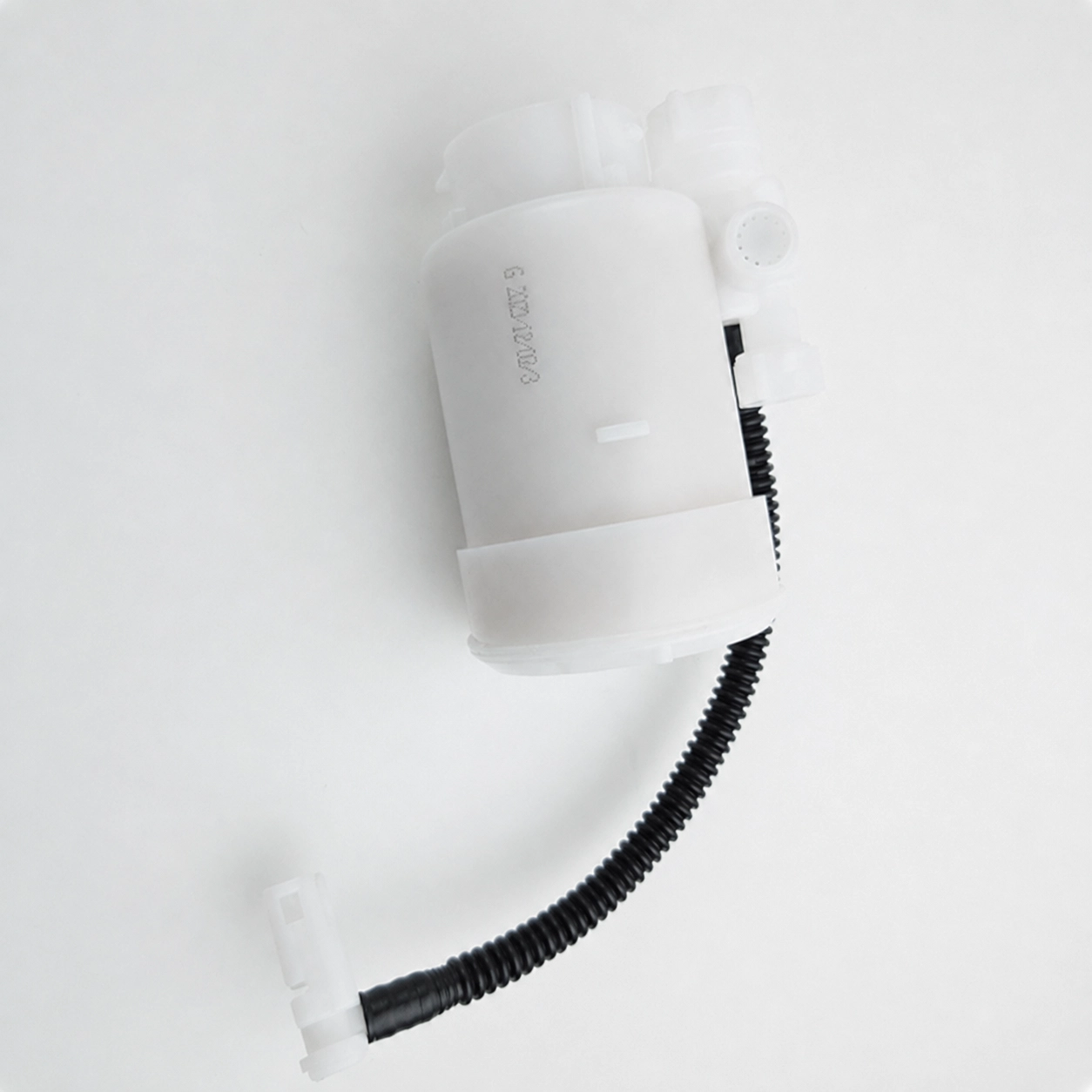
This distinction explains why STARIA’s 31112-3X000 FILTER should be treated as a fuel-system product. It is a practical choice when its OE number matches the vehicle and STARIA confirms the VIN. It should not be described as an oil-filter replacement simply because both products contain the word “filter.”
System-Specific Purchase Criteria
For an oil filter, identify the filter type first. Then compare the sealing face, bypass arrangement, anti-drainback requirement where used, and housing fit. A front photo tells you very little about these details.
For a fuel filter, check whether it sits in the tank, near the pump, along the line, or in the engine bay. Compare ports, clips, electrical connections, sealing rings, and fuel-flow direction. When you source the 31112-3X000 product, request written fitment confirmation before a carton order.
Mistake 3: Trusting Product Photos Instead of Technical Data
Photos help with an initial check, but they are not proof of fitment. Sellers may reuse one stock image across several listings. Two filters can share the same shape while using different threads, seals, ports, or internal media.
Listing Image Limitations
Start with the OE number and technical fields, then use the photo as supporting evidence. Zoom in on stamped numbers, molded marks, gasket shape, port positions, and packaging labels. When a seller shows one low-resolution image, ask for current stock photos.
For a Hyundai oil filter, a small difference at the sealing face may cause leakage or poor seating. A cartridge that is slightly too long may stop the cap from closing correctly. A filter that looks right from the side may still have the wrong center opening.
One slightly untidy but useful workshop habit is to place the removed part beside a ruler and take a photo before disposal. That image often settles a supplier question faster than a long email chain.
Specification and Packaging Review
The title, OE field, description, package label, carton quantity, and invoice should all refer to the same part. When one field shows another number, stop and ask for clarification.
|
Listing Detail |
What You Should Confirm |
Why It Matters |
|
Product title |
Correct category and full OE number |
Prevents different filter types from being mixed |
|
Vehicle data |
Model, engine, production period, and market |
Reduces errors caused by shared model names |
|
Dimensions |
Thread, element size, seal, ports, or connectors |
Confirms physical installation |
|
Product photos |
Current product, label, packaging, and mounting faces |
Helps expose reused or incomplete images |
|
Packing data |
Units per box, inner packing, and carton label |
Supports receiving and stock control |
|
Warranty terms |
Coverage, evidence, and claim process |
Sets expectations before installation |
The STARIA Solution Center gives you a direct route for parts questions. Send the OE number, VIN, quantity, packaging request, and destination in one message so the reply can cover the full order.
Mistake 4: Choosing the Lowest Price Without Checking the Supplier
Price matters when you buy workshop stock or full cartons. Still, the cheapest offer can become expensive after return freight, lost labor, bay occupancy, and customer delay. Your real cost is the fitted result, not the shopping-cart figure.
Counterfeit and Quality Risks
Counterfeit and poor-grade filters may copy the outside shape while using weak seals, thin housings, loose bonding, or low-grade media. You may not see the difference during unpacking. Problems often appear after heat cycles, pressure changes, vibration, or extended service.
Ask for a clear invoice description, batch information, packaging photos, and a traceable product source. Do not accept “same as original” as a technical statement. Ask which OE number is being cross-referenced and how the seller confirmed it.
This matters when you stock a Hyundai oil filter for routine service. One wrong unit is annoying. A shelf full of the wrong units becomes a stock and customer-care problem.
Supplier History and Supply Capacity
A useful supplier should answer three questions: Is the part correct, is the batch available, and can the same reference be supplied again? A marketplace listing may answer only the second.
STARIA works across Hyundai and Kia filtration, engine, chassis, repair, sensor, ignition, and air-conditioning categories. Its broader supply structure can reduce split orders and make repeat buying easier.
|
Supplier Check |
Weak Offer |
Stronger Offer |
|
Fitment reply |
“It should fit” |
OE, VIN, engine, and production data checked |
|
Product identity |
Generic photo and short title |
Matching title, label, invoice, and packing data |
|
Order support |
Payment link only |
Quote, stock status, carton details, and lead time |
|
Problem handling |
No stated process |
Clear return, warranty, and evidence rules |
|
Repeat supply |
Listing may disappear |
Stable reference and reorder record |
Mistake 5: Ignoring Service, Returns, and Repeat Supply
Online purchasing does not end when the parcel arrives. You still need to inspect the part, fit it, document the job, and handle any claim. Check the supplier’s service process before payment, not after a problem appears.
Pre-Sale Matching Support
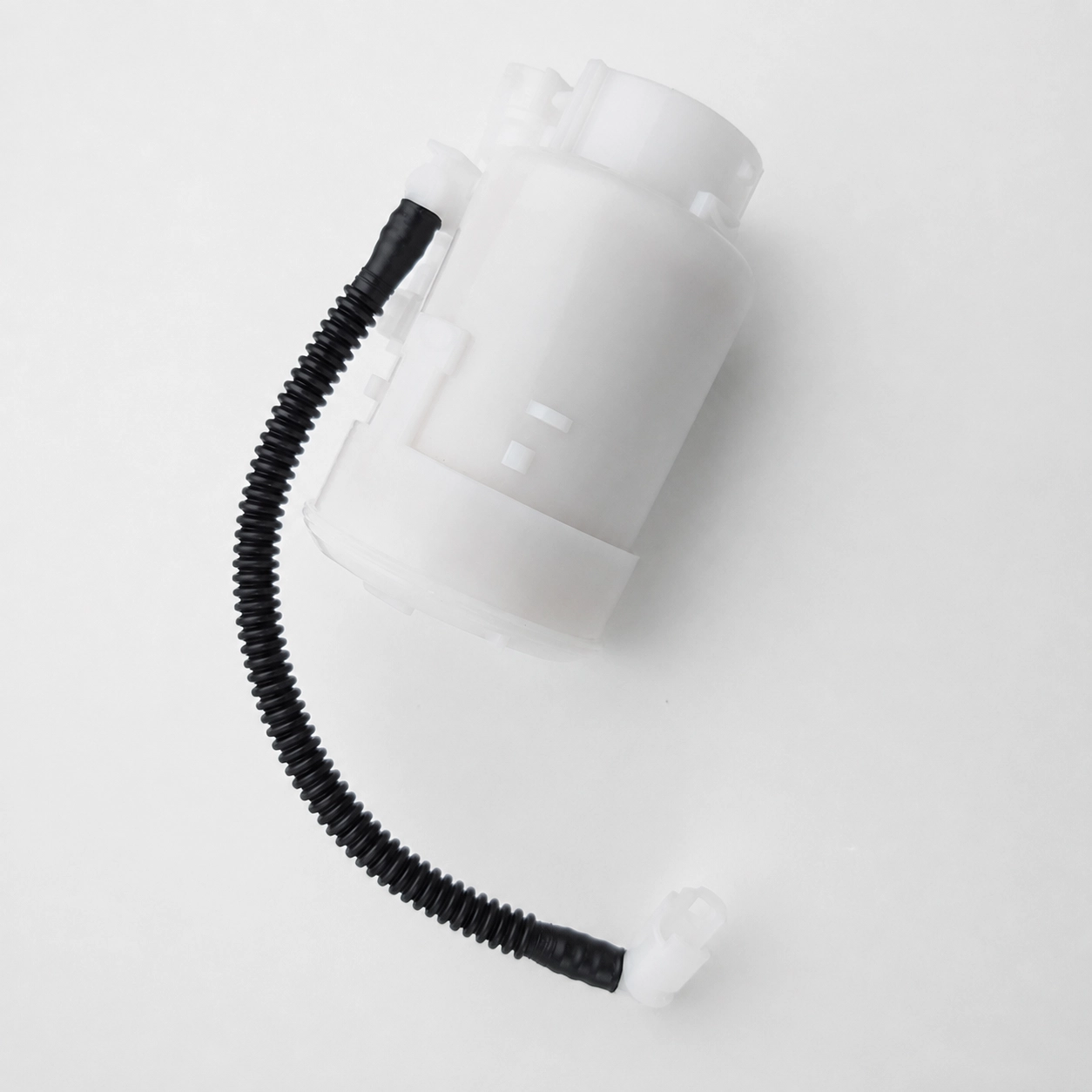
Send complete order information at the start. Include the OE number, VIN, engine code, production date, quantity, destination, and packaging needs. For the 31112-3X000 fuel-system filter, ask for OE confirmation rather than asking only whether it “fits Hyundai.”
For a sample order, request the product label and mounting details before shipment. For a carton order, ask whether all units come from one batch and whether the carton carries the same reference as the inner packs. This gives importers and distributors cleaner receiving records.
Good pre-sale support also protects your calendar. When STARIA confirms the part before dispatch, you are less likely to keep a vehicle overnight while waiting for a replacement.
After-Sales and Stock Continuity
Read the return terms before you open or fit the product. Some suppliers accept unopened returns but handle installed-part claims through a separate process. Ask what evidence is needed, such as photos, installation records, packaging, or the removed part.
For repeat supply, save the quotation, confirmed OE reference, carton quantity, and contact person. Do not rely only on a marketplace bookmark. Listings change, titles get edited, and sellers may combine several variants under one page.
STARIA’s wider Hyundai and Kia range can also support mixed inquiries for sensors, ignition parts, engine repair parts, chassis items, and wear parts. You can discuss matching, stock, packing, and after-sales handling through one supplier.
Source Hyundai Filters with STARIA
Safe online purchasing starts with the vehicle system, not the product photo. Confirm whether you need an oil filter or fuel filter, match the OE number and VIN, compare technical details, check the supplier, and read the return terms. These steps make a Hyundai oil filter order far less likely to cause a second workshop visit.
STARIA supports repair shops, wholesalers, importers, and retailers that need Hyundai and Kia aftermarket parts. You can ask about the 31112-3X000 fuel-system filter when that OE number matches your application. Send the vehicle data, quantity, packaging request, and destination through the contact page to request a quote and fitment reply.
Product Matching and Quote Support
For a faster response, provide the old part number, VIN, engine code, production date, label photos, and required quantity in the first inquiry. State whether the order is for a workshop job, local resale, or wholesale stock. This helps STARIA prepare a practical reply without several rounds of basic questions.
Service and Contact Access
Before payment, confirm the final OE number, packing quantity, lead time, warranty terms, and claim process in writing. After delivery, check the label and mounting details before installation. STARIA can then support both the immediate purchase and later reorders.
FAQ
Q: How Can You Confirm a Hyundai Oil Filter Before Ordering Online?
A: Match the full OE number, VIN, engine code, production date, filter style, seal, and mounting dimensions. Use the product photo only as a secondary check. Ask for written fitment confirmation when a listing covers several engine versions.
Q: Is the STARIA 31112-3X000 Product an Engine Oil Filter?
A: No. The 31112-3X000 product is listed for the fuel-pump filtration system, so you should treat it as a fuel filter. Order it only after the OE number and VIN match the vehicle.
Q: What Should You Send STARIA for a Bulk Filter Quote?
A: Send the OE numbers, VIN or vehicle list, engine details, quantities, packaging needs, delivery country, and target schedule. Clear photos of old labels also help. Ask STARIA to include fitment confirmation, carton data, warranty terms, service details, and the correct contact route in its reply.