
Kia Crankshaft Position Sensor: OEM vs Aftermarket — Is Cheaper Worth It?
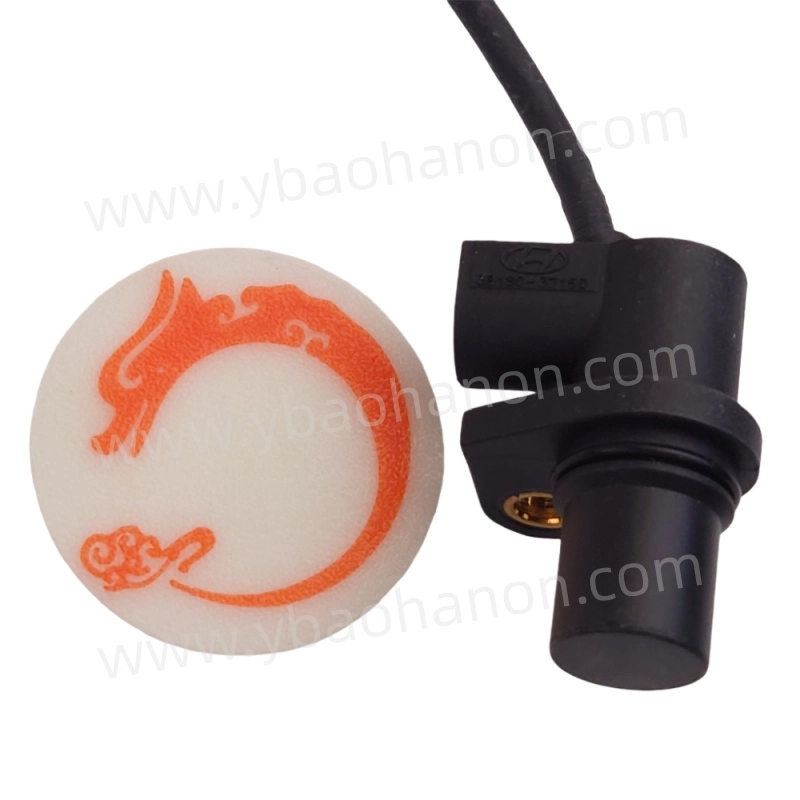
For kia genuine parts vs aftermarket longevity, a crankshaft position sensor is the wrong place to judge only by the lowest quote. A cheaper unit can be sensible when the supplier proves fitment, batch stability, and a clear return path. It becomes expensive when the car comes back with a hot no-start problem.
STARIA supplies Hyundai and Kia repair parts for overseas buyers, with YBAOH kept inside the STARIA-owned brand structure for Korean engine and repair categories. That matters when you need a small electrical part backed by product matching, packing discussion, and export service instead of a loose online listing.
Why a Cheap Sensor Can Create a Costly Repair
Engine Timing Signals
On the bench, a crankshaft position sensor looks like one more small electrical part. In the car, it is one of the signals the ECU waits for before it decides when to fire and when to inject fuel. When that signal goes missing, the complaint is rarely tidy. One car may crank all morning and start after lunch. Another may stall only after sitting in traffic with the fan running.
That is why the price conversation feels a little lopsided. The sensor may cost less than a lunch for two, but the comeback can eat a service bay, a tow bill, and a customer relationship. Workshops know this one too well: the part was cheap, the diagnosis was not.
Heat, Oil, and Vibration
This sensor does its work in an ugly corner of the vehicle. Heat comes off the block. Oil mist finds the connector. Road splash dries into grit. The wiring may already be tired on a ten-year-old car. A weak aftermarket sensor can pass the first start, then act strangely after two hot days and a few stop-start trips. That delayed failure is the part that makes importers nervous.
The wider repair market also raises the stakes. U.S. vehicle age data from S&P Global Mobility reported an average U.S. light-vehicle age of 12.8 years in 2025 and 289 million light vehicles in operation. Older vehicles create steady sensor demand, but old wiring and heat-stressed engine bays also expose weak parts faster.
|
Market Signal |
Reported Figure |
Buying Meaning |
|
Average age of U.S. light vehicles |
12.8 years in 2025 |
More older vehicles need engine-management repair. |
|
U.S. light vehicles in operation |
289 million in 2025 |
Sensor demand is broad, so repeatable supply matters. |
|
Light-truck average age |
11.9 years in 2025 |
SUV and light-truck repairs remain a strong aftermarket category. |
|
Passenger-car average age |
14.5 years in 2025 |
Older cars can be price-sensitive but still need reliable critical parts. |
Kia Genuine Parts vs Aftermarket Longevity in Practice
OE-Standard Confidence
When buyers compare kia genuine parts vs aftermarket longevity, the useful question is not whether the box looks official. It is whether the part keeps giving a clean signal after heat, vibration, and repeat starts. Genuine or OE-standard supply usually gives you a straighter trail: the intended number, the connector match, the packaging trail, and someone who can answer more than ‘yes, same part’.
That does not make every aftermarket part poor. Many aftermarket sensors serve older Hyundai and Kia vehicles well. The difference is proof. A good aftermarket supplier should confirm the OE number, current batch photos, connector shape, application range, packing quantity, and after-sales handling before you approve the order.
Aftermarket Price Boundaries
Aftermarket can be the right call on an older, out-of-warranty car when the owner is trying to keep the bill sane. The same decision feels different on a taxi, a delivery car, or a workshop warranty repair. Nobody on a Monday morning route is impressed that the sensor was cheaper if the vehicle has to be pushed out of the road.
A simple buying line works better than a slogan: use the safer supply for jobs where a comeback hurts, and use aftermarket only when the price, vehicle age, and supplier proof all sit on the same side of the table.
Product Focus: 39180-37150 Sensor-Crankshaft Position
Part-Number Matching
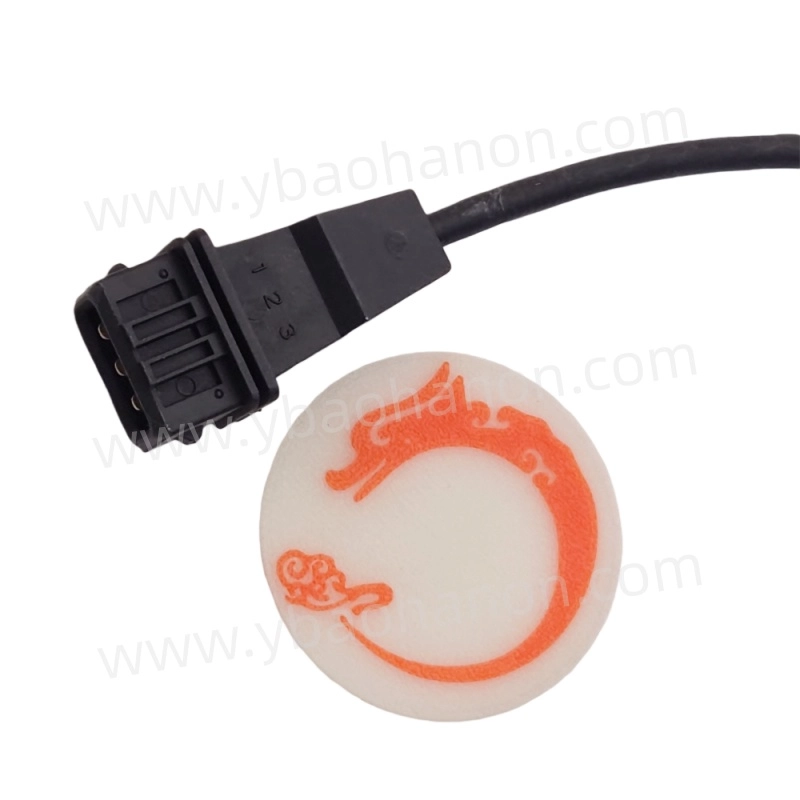
For this category, the 39180-37150 SENSOR-CRANKSHAFT POSITION should be checked by OE number first. A photo is not enough. Similar Hyundai and Kia engine layouts may use sensors that look close but differ in connector detail, signal pattern, or mounting relationship to the trigger wheel.
Before buying, compare the removed part number, vehicle model, engine information, production year, and local market version. If VIN access is available, use it. If the buyer cannot provide a VIN, the OE number and clear product images become even more important.
STARIA Listing Details
|
Product Data |
Listed Detail |
|
Product |
39180-37150 SENSOR-CRANKSHAFT POSITION |
|
OE Number |
39180-37150 |
|
Type |
HYUNDAI KIA MOBIS |
|
Application |
All kinds of sensors |
|
Packing |
100 pieces per box |
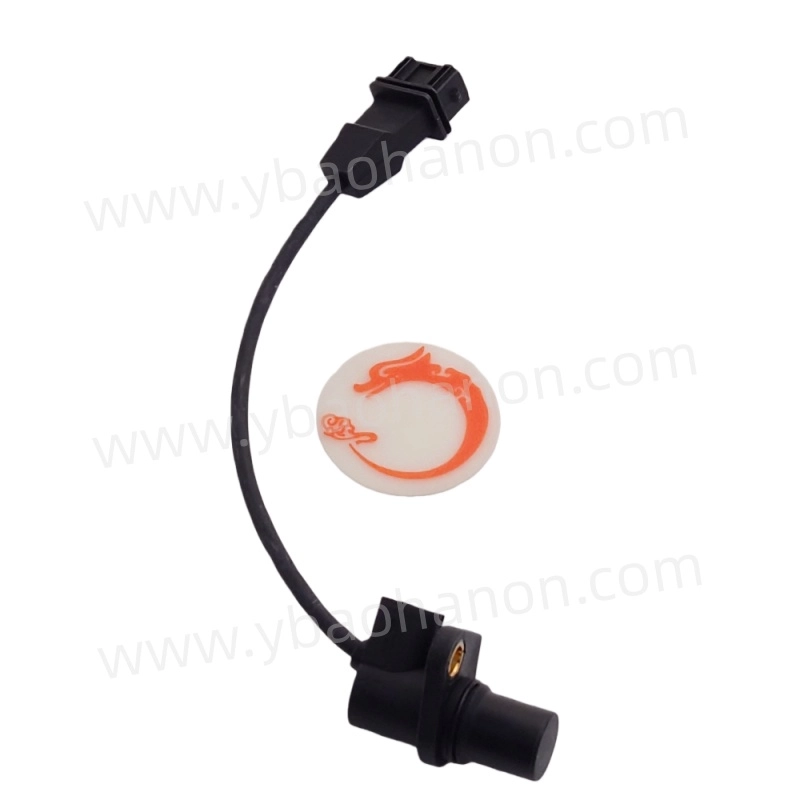
These listing details are useful for importers because they turn the quote into a controlled sourcing task. You can classify the part as a sensor item, plan carton quantity, ask for batch photos, and discuss whether sample approval is needed before full shipment.
Buying Checks Before You Approve the Order
Fitment Evidence
Ask the supplier for the OE number confirmation, connector view, mounting view, and product labeling. For repeat orders, ask whether future batches follow the same specification and packing. If you sell to repair shops, ask how quality complaints are handled after installation. A clear answer before payment is often the best sign of a serious supplier.
You should also confirm that the diagnostic work is sound. A no-start problem can involve fuel pressure, camshaft sensor signal, wiring, immobilizer faults, grounds, or a weak battery. The sensor may be the right repair, but buying the wrong sensor adds noise to an already messy diagnosis.
Batch and Packing Control
For wholesale buyers, packing is part of quality. A listed 100-piece box needs enough protection for connector pins and plastic housings. Ask for carton labeling, inner packing, and batch traceability. It sounds plain, but it prevents disputes after a long shipment.
This is where kia genuine parts vs aftermarket longevity becomes a supply-chain question. A part that works once is not enough. You need the same part to work across boxes, repeat orders, and different customer locations.
When Cheaper Is Worth It and When It Is Not
Reasonable Aftermarket Cases
A checked aftermarket crankshaft sensor can be worth it when the market is price-sensitive and the supplier has already behaved well across repeat cartons. Some distributors quietly keep a small test batch for a month before opening wider sales. It is not glamorous, but it tells you more than a perfect catalog photo.
High-Risk Repair Cases
Do not chase the lowest price for a customer who cannot tolerate downtime, a workshop warranty repair, or a vehicle with repeated ignition or starting complaints. If a sensor failure can create a second labor claim, the safer purchase is usually the one with stronger fitment support and a clearer supply path.
Confirm Sensor Supply With STARIA
Clear Procurement Judgment
The buying answer is not OEM good, aftermarket bad. For kia genuine parts vs aftermarket longevity, the better rule is calmer: use genuine or OE-standard supply when the repair risk is high; use aftermarket when the exact number, current batch, and support path are clear. With a crankshaft sensor, the expensive part is often not the part. It is the weak signal nobody wanted to chase twice.
Service and Contact
STARIA can help you check fitment, box quantity, batch supply, and export service for Hyundai/Kia sensor orders. Send the OE number, vehicle list, and order quantity through a fitment conversation before the cheap sensor becomes the expensive one.
FAQ
Is a cheaper crankshaft position sensor always a bad choice?
No. A cheaper sensor can work when the supplier confirms the OE number, connector details, current batch, packing, and application. It becomes risky when price is the only evidence.
Why does kia genuine parts vs aftermarket longevity matter more for sensors than trim parts?
A crankshaft sensor affects engine speed, crank angle, ignition timing, and injection timing. If it fails, the vehicle may stall, misfire, or refuse to start.
What should you send STARIA before ordering 39180-37150?
Send the OE number, vehicle model, engine details if available, sample needs, packing request, and target order quantity. That gives STARIA a cleaner basis for service and contact support.