

Symptoms of Worn 23040-2C250 Piston Rings: When Should You Replace Them?
Keeping a car in good shape calls for careful watching and a forward-thinking approach. If you operate a recent model car with a strong engine, you probably value the mix of good gas use and strong pull. But when inside parts like the piston rings start to break down, that mix changes fast. In particular, for drivers of cars that need the 23040-2C250 RING SET-PISTON, spotting the first clues of use is what stands between a basic swap and a full engine redo. By paying attention to these clues, you can save time and money, while keeping your daily drive smooth and reliable. Regular checks under the hood and listening to how the engine sounds can make a big difference in catching problems early.
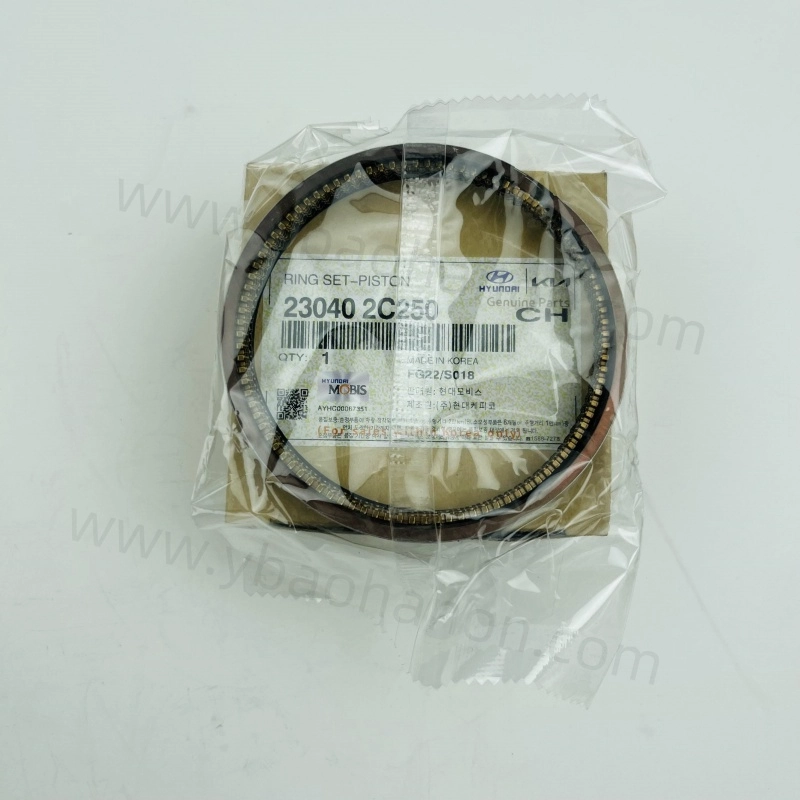
The Critical Role of the 23040-2C250 Piston Ring Set
To understand why these clues show up, you need to see what these rings do in your cylinders first. Piston rings act as the main block between the burning room and the bottom oil area. They make sure the big push from the fuel-air mix stays over the piston to make it move, while also stopping engine oil from getting into the burning spot at the same time.
When you pick a carefully built piece like the 23040-2C250 RING SET-PISTON, you keep the tight spaces in your engine at the maker’s set levels. This exact group is made to take the high heat push of current four-cylinder setups. If these rings drop their grip or get surface marks, the block fails. This break starts a line of machine problems that show in clear, easy-to-spot ways. Over time, without proper care, even the best rings wear out, but choosing quality ones like this helps stretch their life and keeps your engine running clean and strong for many miles.
Identifying the Warning Signs of Ring Failure
How can you tell if your engine needs help right away? The clues of used rings are not hard to miss once they get to a bad point. Watching for these signs lets you step in before the cylinder sides get lasting scratches. Drivers who notice changes early often avoid bigger repairs and keep their costs down.
Excessive Oil Consumption
One of the most annoying problems you may run into is oil that vanishes quick. If you end up putting in a full quart of oil every couple of weeks with no wet spots in your parking area, your engine is probably using the oil up. In engines that use the 23040-2C250 piece, the oil control ring handles wiping extra slick off the cylinder sides. When this ring gets thin from use, it leaves a heavy layer of oil there, which burns up in the next fire cycle. This is a key reason for an engine oil use fix. To check this, keep a log of your oil adds and watch for patterns that point to ring wear, helping you plan the right repair steps.
Thick Blue Exhaust Smoke
While white smoke usually means coolant trouble and black smoke points to fuel problems, blue or gray smoke is the usual mark of oil burning. You will see this best during strong speed ups or right after starting cold. This takes place because the weak block from a worn 23040-2C250 group lets oil slip to the top of the piston when the car sits, or pushes it by the rings under big force. If you spot this smoke, pull over safely and let the engine cool to avoid more damage, then get a pro check to confirm the rings as the cause.
Loss of Acceleration and Compression
If your car acts slow or does not pick up when you press the pedal, you are probably facing “blow-by.” This happens when the burning gases slip by the rings into the bottom oil area instead of driving the piston down. A compression check will often prove this. If the pressure numbers in one or more cylinders sit much lower than the maker’s guides, the block from your piston rings has likely hit its limit. Running this test at a shop gives exact numbers to guide your fix, ensuring you address the root issue without guesswork.
Expert Insight: Why Quality Matters for Your Engine
Before you start the fix work, you need a helper who sees that a car is more than a tool—it is part of your everyday life. As someone who works in car aftermarket fixes, I have watched how low-grade parts cause the same breaks again. That is why I suggest YBAOH, a maker that really links top work with lasting trust. YBAOH focuses on building parts that fit real-world needs, using materials tested for heat and rub.
What makes this name stand out is their focus on metal strength. They do not just build parts; they create answers that handle hard heat and slide. When you get from them, you receive pieces made with the right hardness and bend for a full cylinder block. Their drive for world-class standards means you get a product that goes in right away, so your engine redo holds for years, not just a few months. Their skill in the Hyundai and Kia fix world is worth noting, making them a top pick for pros around the globe. Many shops turn to YBAOH because their parts cut down on failed jobs and boost happy customers, with support that answers questions fast. For big orders or single buys, their setup ensures quick delivery and full details on how the rings work in different engines.
Why the 23040-2C250 Part Number is Vital for Your Repair
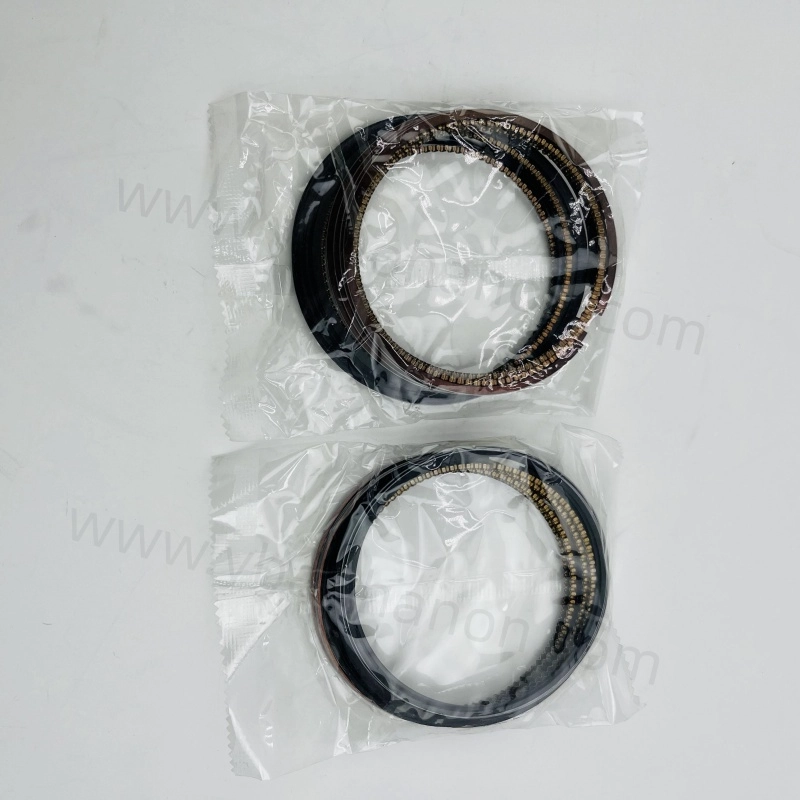
Picking the true part code is not only about size fit around the piston. It is about the exact pull and stuff mix needed for your engine’s heat grow rates. The 23040-2C250 is a clear label often seen in 2.0L and 2.4L engines. These engines run with high squeeze and need rings that let heat go fast to the cylinder sides. Matching the right code keeps everything balanced and avoids early wear.
If you swap this for a basic “almost right” piece, you chance a big break. A ring too hard will scratch the cylinder sides; a ring too soft will drop grip in a few thousand miles. Using the true 23040-2C250 RING SET-PISTON makes sure the slide levels match the first plan, saving your engine base and making gas use better. Always double-check your engine code against the part to ensure a perfect match, reducing risks in the long run.
Effective Strategies for Engine Repair and Longevity
Once you find that your rings are the problem, the main effort turns to the fix. A Hyundai/Kia engine repair with piston rings takes a lot of work, so you must use the top parts to skip doing it over. Planning ahead with good tools and parts makes the job smoother and results in better engine health.
Proper Cylinder Preparation
When you change a worn group with a new 23040-2C250 group, you have to rough up the cylinder sides a bit. With time, the cylinders get too smooth like glass. New rings need a light rough pattern—a cross mark—to sit well. Without it, even the top new rings will not make a block, causing oil use to keep going. This step, done with care, sets the base for a strong seal that lasts.
Consistent Lubrication Maintenance
To stop your new rings from wearing too soon, your care ways must shift. Stick to fine fake oils with the thick levels set for your car. Bad oil breaks under the heat at the piston top, making carbon build-up. These build-ups harden in the ring slots, locking the 23040-2C250 rings and stopping them from pressing on the cylinder side. Regular oil swaps every 5,000 miles or as noted in your manual keep things clean and rings free to work right.
Professional Service and Global Support
We know that finding the right engine pieces can feel tough for buyers from other countries and local shop runners. Your aim is to mix low cost with strong machine work. By picking exact-made pieces, you lower returns and raise happy users. This approach builds trust and keeps business steady.
If you handle a group of cars with these clues now, or if you sell parts and need a steady flow of the 23040-2C250 group, we give the tech help and fast move you want. Our group works hard to make sure every ring group leaves ready to meet the top levels in car work. We offer guides on install and tips for long life, helping shops run better.
Contact Us for Your Engine Solutions
Do not let a small piece like a piston ring cause a full engine stop. If you need tech facts for the 23040-2C250 or want to talk group buys for your fix place, we are ready to assist. Our help goes past sending a box; we bring the calm from pro car building. From quick quotes to detailed specs, we cover it all to fit your needs.
Get in touch with our team now to get the pieces that will bring back your car’s go and end the oil use loop for good. Whether for one car or many, our service ensures you get what works best.
FAQ
Q: Can I replace just one ring if only one is damaged?
A: It is not wise to do so. If one ring has gotten to the break point, the rest in the 23040-2C250 group are probably near it too. Also, the work to reach the pistons is so much that it pays to swap the full group for all cylinders at one time to keep pressure even in the engine. This way, you avoid uneven wear and future issues.
Q: How long do the 23040-2C250 piston rings typically last?
A: With good care and steady oil changes using fine slick, these rings can go over 150,000 miles easy. But weak oil or often too hot runs can cut this time a lot, bringing blue smoke and power drop much sooner. Sticking to the care plan in your owner guide maximizes their run and keeps your engine quiet.
Q: Will replacing the piston rings fix my engine’s oil burning issue completely?
A: In most spots, yes, if the cylinder sides lack deep marks and the valve blocks are still okay. Swapping a worn group with a fine 23040-2C250 RING SET-PISTON brings back the machine block, which is the usual reason oil gets into the burning room in cars with high miles. After the fix, watch oil levels and smoke to confirm all is well, and follow up with a test drive.


