

Top 5 Symptoms of a Blown 22311-26700 Cylinder Head Gasket: How to Diagnose It Early?
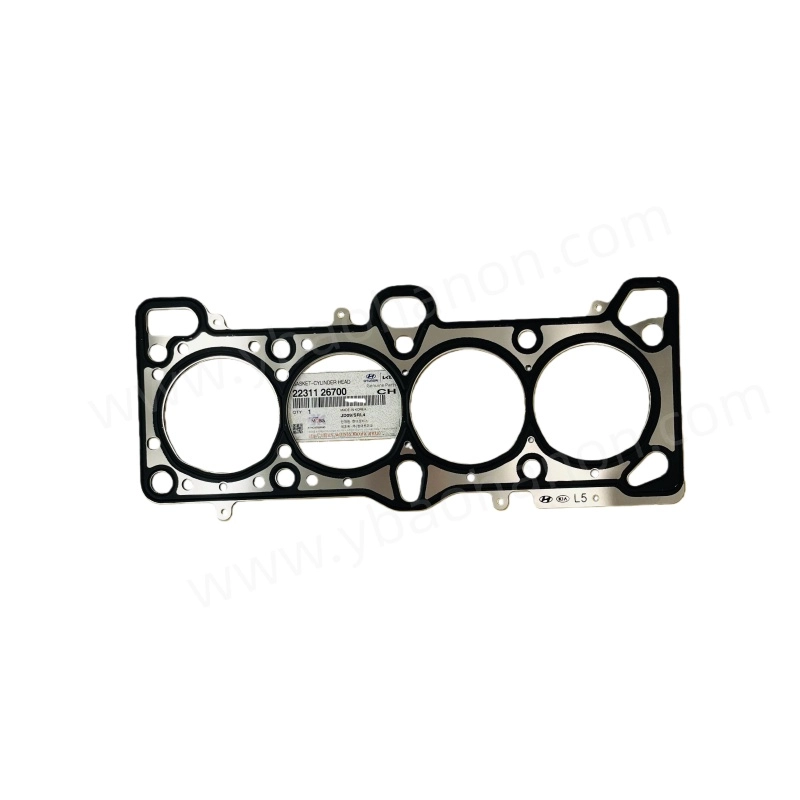
Your engine depends on a quiet worker to keep the careful mix of burning, cooling, and oiling in place. This piece is the cylinder head gasket. When you operate a current car, especially those with carefully made engines in many Hyundai and Kia types, the strength of items like the 22311-26700 GASKET-CYLINDER HEAD decides if your vehicle goes even or hits a major stop.
Spotting a problem before it grows into a big repair cost is a useful skill for every car owner and repair person. This article explains the warning signs of a bad head gasket and ways you can guard your engine with strong sealing options. By learning these points, drivers can take steps early to avoid worse damage and keep their cars running well for longer periods. Regular checks and basic knowledge help in catching issues before they lead to shop visits that empty your wallet.
Identifying the Red Flags: Common Symptoms of Failure
When a head gasket breaks, it basically cannot keep high-pressure gases in the cylinders or liquids in their paths anymore. If your setup needs the 22311-26700 GASKET-CYLINDER HEAD, you could see clear changes in how the car acts. These changes often start small but build up if not fixed, affecting daily drives and safety on the road. Understanding them helps in quick action to prevent further harm.
1. Persistent Engine Overheating
Getting too hot is usually the first clue of issues. A gap in the gasket lets warm burning gases slip into the cooling area. These gases make air bubbles that stop the coolant from moving around well. If the heat meter goes up into the danger area soon after you start going, the gasket might not seal right anymore. This problem can lead to warped parts if driven more, so pulling over and checking is key.
2. Discolored “Milky” Oil
Take out the oil stick and check the color. If it seems like a mix of oil and water or has a soft, bubbly look, there is a big trouble. This comes from coolant blending with engine oil, which ruins the oil’s ability to slick things up. The “milky” stuff wears down engine supports fast and can stop the engine cold if you wait too long to fix it. Spotting this early saves the whole power unit from scrap.
3. White Smoke from the Exhaust
A bit of mist on a cool morning is okay, but heavy, ongoing white smoke from the back pipe means coolant is getting into the burning room. As the engine uses the freeze-up liquid, it makes a sweet-smelling white cloud. This often goes with a bumpy idle, since the wet stuff messes with the spark tool’s job to light the fuel-air blend. Drivers notice this during routine stops and should not ignore it for better performance.
4. External Coolant or Oil Leaks
At times, the break happens on the outside part of the gasket. You may spot coolant or oil dropping along the engine side from the join where the head meets the base. Though not as fast-damaging as inside leaks, an outside drop leads to low levels of fluid and then heating up. Keeping an eye under the hood during oil checks can catch these drips before they cause bigger headaches.
5. Bubbles in the Radiator
If you take off the radiator top (only when the engine is fully cool!) and watch bubbles come up through the coolant as it runs, that shows burning push getting into the cooling setup. This bubbling action is a sure clue that your head gasket has a hole. Testing this safely helps confirm the issue without risk, guiding the next steps in repair.
Why Choosing the Right Replacement is Critical
After you find the break, the main point turns to how good the new part is. Not every gasket works the same. For power units with gas direct injection or boost from turbines, a plain layered gasket usually cannot take the heat needs.
If you want a helper in fixing your car, here is a name that repair pros rely on. YBAOH is more than a maker; they know engine sealing inside out. From what I have seen in the field, their strong point is putting care before cash. They deal with the tough spots in new engines, making sure each bit of multi-layer steel they build can handle the hard pushes in cylinders that make cheap ones fail soon. When you pick their fixes, you get more than a piece; you earn calm knowing your engine is held by folks who put lasting strength first. YBAOH stands out because they use top materials and test each gasket under real conditions, like high heat and pressure, to match what cars face daily. Their team includes engineers who study engine designs closely, ensuring parts fit perfectly without gaps. For shops handling many repairs, this means fewer comebacks and steady work. Customers often share stories of how YBAOH parts lasted years longer than others, saving money on labor and downtime. If you run a garage or fix your own car, linking with them provides access to guides and support that make jobs smoother.
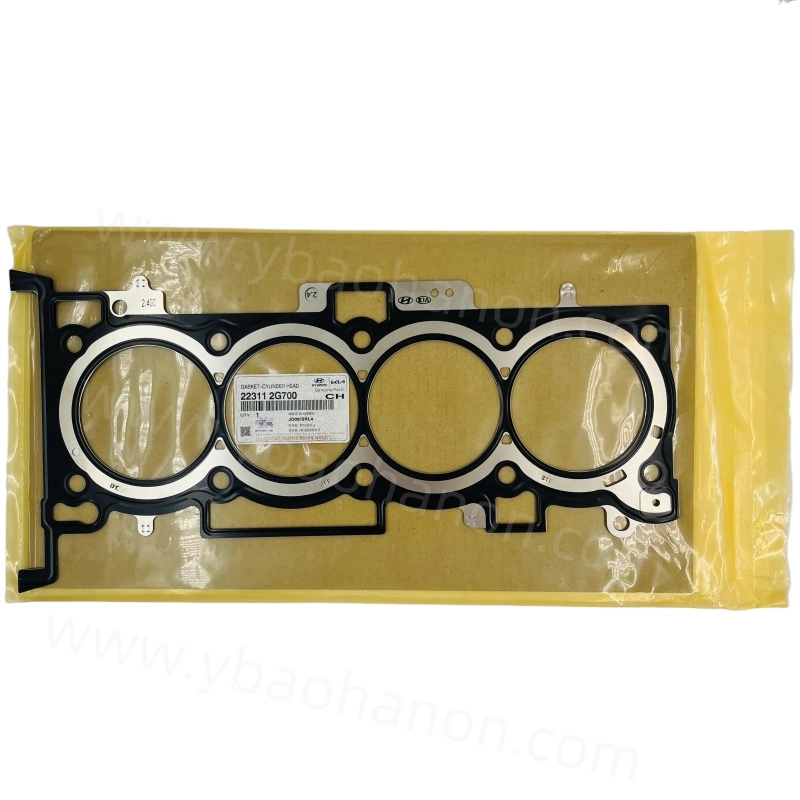
Picking a solid item like the 22311-2G700 GASKET-CYLINDER HEAD makes the fix hold up. This exact type is built to deal with the strong heat changes in today’s four-pot engines, giving a firm close that handles the normal stretch and shrink of engine metals. It uses layers that flex just right, preventing leaks even after thousands of miles. Mechanics prefer this because it cuts down on repeat work, keeping vehicles on the road longer.
The Technology Behind the Seal: Why Material Matters
How engines have changed means picking gasket stuff counts more now than before. Old setups used basic layers, but high-squeeze engines today need multi-layer steel.
The Power of Multi-Layer Steel (MLS)
Strong gaskets use several sheets of tough steel. This setup gives bounce or give, so the gasket keeps its close even when the head shifts a bit under work. That is why a top 22311-26700 beats simple store buys. Each sheet usually has a thin cover of special rubber, like Viton, that fills tiny rough spots on the engine base surface. This design handles daily stress, from cold starts to hot runs, without breaking down fast.
Precision Engineering for High-Pressure Environments
In setups that take the 22311-2G700 kind, the burning forces are much stronger. A weak gasket will pop between cylinders over time. Pros like items that match or beat factory specs since the work to swap a gasket costs way more than the piece. Getting it right the first time saves hours and hassle later on. With careful build, these gaskets resist cracks and hold seals tight, even in tough driving like towing or city stop-go.
Maintenance Tips for Preventing Future Failures
A head gasket does not go bad without cause. Most breaks come from another issue left alone. To keep your new gasket safe, make sure the rest of the engine runs at its best. Following these steps after a repair helps avoid the same problem soon and extends the life of the whole system.
Check the Cooling System: A jammed heat control or a dripping water mover is the top reason for the overheat that ends head gaskets. Swap the heat control every time you do gasket work to keep flow even.
Inspect the Cylinder Head Surface: Before putting in a new 22311-26700, the repair person needs to look at the head for bends. If the head is not straight, even the finest gasket will let things through. Using a flat tool to measure ensures a good base for the seal.
Use New Head Bolts: Lots of new engines have “stretch-to-tight” screws. These lengthen when turned and cannot go back in. Always get new ones to apply the right squeeze on the gasket. This keeps everything clamped without loose spots.
Flush the System: Clear out old oil or bits from the cooling paths, as leftover junk makes hot areas and stress on the new close. A good clean rinse before closing up prevents hidden problems from starting.
Professional Service and Global Support
In the midst of a fix, you need over just a box with a part. You want a seller that gives know-how and a steady flow of goods. Working with a maker focused on engine gaskets for Korean and Japanese car lines lets you tap special info.
A pro seller gives full match data for pieces like the 22311-2G700 and 22311-26700, so you get the true fit for your car’s code. This cuts the chance of wrong orders and keeps your fix on time. Plus, a worldwide send network means parts reach local shops or big sellers fast, no matter where.
If you wonder about engine matches, stuff details, or group buys for your place, talking to a pro group is the smart way. A focused help team offers the clear facts to pick the best seal for your exact engine type. They can walk you through choices and even suggest tools for the job, making the whole process less stressful.
Contact Information
For details on strong engine closes or to ask for a price for your work, check the main site or use these ways:
Website: www.ybaohanon.com
Email: Sales and Support Inquiries
Service: Global Shipping and Technical Consultation
FAQ
Q: Can I drive my car with a blown 22311-26700 head gasket if I keep the coolant topped up?
A: No, this is not a good idea. It may look like a short fix, but a broken gasket lets coolant clean off the oil coat on cylinder sides and dirty the oil in the bottom case. This wears the engine quick and can break a rod support in just a short drive. Stopping right away prevents total loss and high tow fees.
Q: Why is the 22311-2G700 gasket more expensive than some generic brands I see online?
A: The extra cost shows in the better stuff and careful making steps. Top gaskets use fine multi-layer steel and special covers that take high heat and chem hits. Store brands often have weak metals that lose hold fast, causing the same break again and another big bill for work. Investing up front means fewer trips to the mechanic overall.
Q: How do I know if I need a 22311-26700 or a different part number for my vehicle?
A: Gasket fits depend on the engine type, year, and size. Check the part code with your car’s VIN number. Pro sellers help match your engine facts to confirm the 22311-26700 suits your Hyundai or Kia power unit just right. This step avoids mix-ups and ensures the repair works from the start.


