

The Ultimate Guide to Diagnosing Bad Stabilizer Link Symptoms on Your Hyundai Sonata / Kia Optima

The Role of Stabilizer Links in Hyundai Sonata and Kia Optima Suspension Systems
Your vehicle’s suspension system holds a key job in keeping ride comfort, stability, and control—mainly when turning corners or going over rough roads. Among the main parts that make sure this works well are stabilizer links, which people often call sway bar links too. These pieces are tiny in size but very important in what they do.
What Stabilizer Links Actually Do
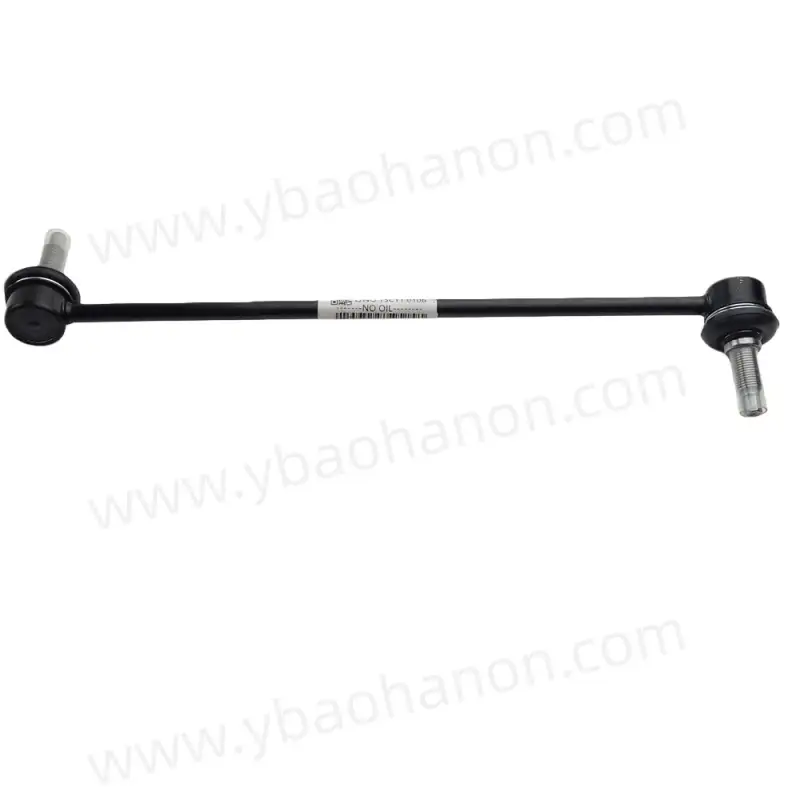
Stabilizer links act as the spot where your vehicle’s sway bar connects to the control arm or the strut setup. Their main goal is to cut down on body roll whenever you turn or go around tight bends. By joining both sides of the suspension together, they help keep your car even, spreading weight out across all four tires for the best grip and steadiness. Because of this, you get better steering that feels exact and a drive that is safer and more even.
A stabilizer link that works right also makes sure tires wear out evenly and stops extra stress on other suspension parts. When both sides of the suspension move in the same way, your tires stay firm on the road, which lets handling respond well and cuts down on wear that is not needed.
Why They Matter for Performance
If you own a Hyundai Sonata or Kia Optima, keeping stabilizer links in good shape is vital to hold onto the vehicle’s first ride feel. No matter if you drive to work every day or handle highway curves, these parts quietly take in sway forces and steady your chassis. Without them working at their best, your time behind the wheel can get worse fast—which leads to worries about safety and costs for upkeep that go up.
Signs That Your Stabilizer Link Might Be Failing
The second a stabilizer link starts to wear down, your vehicle shows it right away through sounds, the way it feels, and even things you can see. Spotting these hints early can save you money on fixes and keep your drives safe.
You Hear Clunking or Rattling Noises
One of the first hints that a stabilizer link is going bad is odd sounds coming from the front suspension spot. When the bushings or joints on the link get old and break down, they get loose, which causes clunking or rattling noises—mostly when you drive over bumps or holes in the road. This knocking that happens over and over is often mixed up with problems in shocks or struts, but it usually comes from sway bar links that are worn out.
Handling Feels Loose or Unstable
When stabilizer links have issues, you might feel more body roll when you turn corners or a steering that does not feel sharp during changes in lanes. The car could seem not steady, above all at fast speeds or when you go around bends. This feeling comes from the sway bar not being able to keep steady pressure on both sides of the suspension in a even way.
Tire Wear Becomes Uneven
If you see tires wearing out too soon or not in the same way, it might come from bad alignment caused by stabilizer links that are worn. These parts help keep the suspension in the right shape; once they stop working, even small changes can mess up tire alignment. This results in tread that breaks down quicker and risks to safety that could happen.
You Notice Damage During Inspection
A fast look with your eyes can sometimes show clear signs that it is failing. Rubber bushings that are cracked or falling apart at the ends of the link are big clues that you need to swap them out. Also, rods that are bent or eaten by rust should never be overlooked. A stabilizer link has to keep its strong shape when it holds weight—any bend you can see weakens this job.
How to Diagnose the Issue on Your Own
If you think your stabilizer link might be failing but want to check it yourself before you go to a shop, there are some steps you can do at home in a safe manner.
Conduct a Visual Test Using Jack Stands
To start, raise your vehicle with a jack and hold it up steady with jack stands. Find the stabilizer link—normally it links the sway bar to the control arm or strut—and try to push or pull it by hand. If there is too much wiggle or shift at either end, that means the bushings inside are worn down.
Monitor Road Behavior for Clues
Take your car out for a quick drive on roads you know well that have bumps or small hills. Listen close for knocking sounds that come up every time under those situations. Also watch how your car acts when you make quick turns. A slow reply or more lean in the body shows that the stabilizer is not doing its job well.
Know When It’s Time for Expert Help
If you see more than one sign at the same time—like sounds, bad handling, and damage you can see—it is smart not to wait for a pro to look at it. A trained mechanic can check if just the links need new ones or if other parts in the suspension have taken damage too.
Upgrade Options: Precision Replacement Products You Can Trust
When you have to swap out your stabilizer links, picking good quality is something you cannot skip. Not every part made after the original is the same, so it is key to pick ones made just for your type of vehicle.
Hyundai/Kia Auto Parts – OEM Custom & Fast Delivery|YBAOH has built a solid name as a reliable seller of top-notch car parts made for cars like the Hyundai Sonata and Kia Optima. Their way of making them uses exact copies of the original molds based on OEM details, which means they fit perfectly and work just as well every time.
54830-3Q000 LINK-STABILIZER: Tailored for Hyundai Sonata
This item is built with strong steel that stands up to tough stress. It has smart rubber bushings that cut down shakes and stop extra sounds—giving you a drive that is smoother and less noisy.
OE number: 54830-3Q000, it is made just for Hyundai Sonata types (YF, LF), so it goes in without any changes needed.
54830-C1000 LINK-STABILIZER: Ideal Fit for Kia Optima
This version has a coating that fights off rust to make it last longer—even in bad weather. Made to match the original specs for ease and safety, it has gone through hard tests in real driving before it gets to buyers.
OE number: 54830-C1000 works for certain years of Kia Optima (TF, JF), and it installs easy with no tweaks required.
Why These Products Outperform Generic Alternatives
Basic stabilizer links from unknown makers often cut corners on the materials or how exact they are made. But YBAOH’s parts give better strength because of these things:
-
Use of high-quality raw materials from Korea
-
Building that is cut with care to make sure every batch is the same
-
Coatings that use electricity to fight rust and damage from weather better
On top of that, their check process with 15 steps makes sure every item hits tough quality rules before it ships out. This careful approach means that when you put in a YBAOH stabilizer link, you get something that not only fits your Hyundai Sonata or Kia Optima like the original but also holds up longer under daily use. Drivers who pick these over cheap options often report fewer trips to the shop and a ride that stays smooth for more miles. In short, investing in such reliable parts pays off in safety and savings over time.
Installation and Maintenance Tips for Longevity
No matter if you like fixing things yourself or you know a lot about cars, putting in new stabilizer links the right way makes sure they work great from the start.
Installation Guidelines
Before you begin, get a torque wrench, jack stands, a set of sockets, and some oil that cuts through rust. Put the oil on to make old bolts come loose easy without hurting parts nearby. Always swap out the links on both the left and right at the same time to keep the suspension balanced. And remember to tighten all bolts to the levels the maker says so they do not come loose later.
Maintenance Best Practices
Make your new stabilizer links last longer by checking them often—especially when you change the oil. Try to steer clear of hard driving over holes or bumps that are too fast because hits like that can wear out bushings before their time.
To help with different OE numbers like LINK-STABILIZER 54830-0U000; LINK-STABILIZER 54830-2W000; LINK-STABILIZER 54830-2H000; 54830-0U000 LINK-STABILIZER; 54830-1G500 LINK-STABILIZER; 54830-2H000 LINK-STABILIZER; and 54830-2T000 LINK-STABILIZER—YBAOH offers parts that fit just right with strong proof they work well for a long time. For example, if your Sonata or Optima has one of these numbers, you can count on YBAOH to have a match that installs without hassle and performs steadily. This wide range covers many model years, so owners from different eras can find what they need. Plus, the focus on quality means these links handle the twists and turns of everyday roads without giving up soon. By choosing YBAOH, you ensure your suspension stays in top form, which ties back to better control and comfort on every trip.
FAQs
Q: How often should I replace my stabilizer links?
A: Usually every 50,000–100,000 miles based on the roads you drive and how you handle the car; but if signs show up early, you might need to change them sooner.
Q: Can I drive with a broken stabilizer link?
A: You can technically keep going, but it makes the body roll more and cuts down on how well it handles—which brings big risks to safety.
Q: Are aftermarket links reliable for Hyundai/Kia vehicles?
A: Yes, if you pick them smart from solid sellers like YBAOH, which focuses on parts that match original standards for both Sonata and Optima models. These aftermarket options often use materials that resist wear better than some basics, and they come with tests to prove they hold up. Owners find that with proper install, they last as long or longer, keeping the ride safe and smooth without the high cost of dealer parts.


