

Signs of a Failing Sway Bar Link in Kia Optima (2011-2020): Diagnosis and Quick Fixes

Role of the Sway Bar Link in Vehicle Stability
In your 2016–2020 Kia Optima, the sway bar link helps keep things steady when you turn or switch lanes quickly. This part links the sway bar to the suspension setup. It works to fight against the car’s body leaning too much in curves. The link spreads out the pressure evenly on both sides of the vehicle. As a result, every wheel stays planted on the road.
If the sway bar link works right, it also keeps tire positions steady. It cuts down on side-to-side shifts in the suspension. This leads to handling that you can count on. Plus, it boosts ride comfort, mainly when you have people or loads in the car. The way the sway bar link fits into the full suspension design matters a lot. It helps with quick steering responses. You get a solid feel behind the wheel no matter the road type.
Common Wear Factors in Kia Optima Sway Bar Links
As time goes on, different outside and inside issues cause the sway bar link to break down. A big reason is contact with road junk like salt, water, and dirt. These build up rust and eat away at the link rod, above all in places with tough winters or rough paths. This hurts the part’s strength over time.
Putting on many miles and making lots of turns speeds up damage to the joints. This happens a lot in city driving with its starts, stops, and sharp bends. The ball joints inside can get loose or sticky from constant use under weight. On top of that, the rubber bushings wear out with years and changing weather. They turn hard or split, which means they can’t soak up shakes as well.
Common OE numbers for these beat-up parts include LINK-STABILIZER 54830-0U000, LINK-STABILIZER 54830-2W000, and LINK-STABILIZER 54830-2H000. All of them show these problems when they reach the end of their useful life.
Identifying Symptoms of a Failing Sway Bar Link
Audible Indicators While Driving
A early clue that the sway bar link is going bad is the sound it makes. You might hear knocking or shaking noises over bumps, holes, or bumpy spots. This comes from extra looseness in the joint. The sounds usually come from the front or back suspension. They happen more often as the part gets worse.
Handling and Performance Issues
When sway bar links wear out, they hurt the car’s balance in turns. You could feel more leaning in corners. Steering might lag a bit, so the car seems to tip more than before. At fast speeds on freeways or when dodging something, this turns into a wobbly wheel feel. That can be risky if you ignore it.
Visual Inspection Clues for Technicians
Mechanics checking under the car look for clear damage. They check the rubber bushings at each end of the link rod for rips. Heavy rust on the rod stands out too. They test for too much side movement in the ball joints, which points to inside wear. If the left and right links show different wear, it might mean uneven weight or past setup problems in the suspension.
Diagnosis Procedures for Sway Bar Link Failures in Kia Optima
Step-by-Step Diagnostic Process
Start by raising the vehicle safely with a jack. Secure it well with stands. With no weight on the suspension, push and pull each sway bar link by hand. Look for odd looseness at the spots where it connects. Check both sides to see if they match. Any difference could mean one side wore faster.
Mechanics often twist or shake the link ends. This checks for gaps between the ball joint and the mount on the control arm. A good link holds firm against that.
Tools and Techniques Used by Professionals
Experts use a pry bar to push at the sway bar spot. They watch how the joint acts under fake pressure. If it moves too much or makes noise, you need a new one. Torque wrenches also come in handy. They make sure bolts meet the maker’s tightness levels. A bolt that’s not tight enough can act like a bad part, even if the link is fine.
Recommended Replacement Parts for Kia Optima (2011–2020) Models
Pick solid replacement pieces to make them last longer. This brings back the best handling. Two options that match OE parts work well for various years. They give strong results and hold up over time.
54830-3Q000 LINK-STABILIZER: Product Overview and Fitment
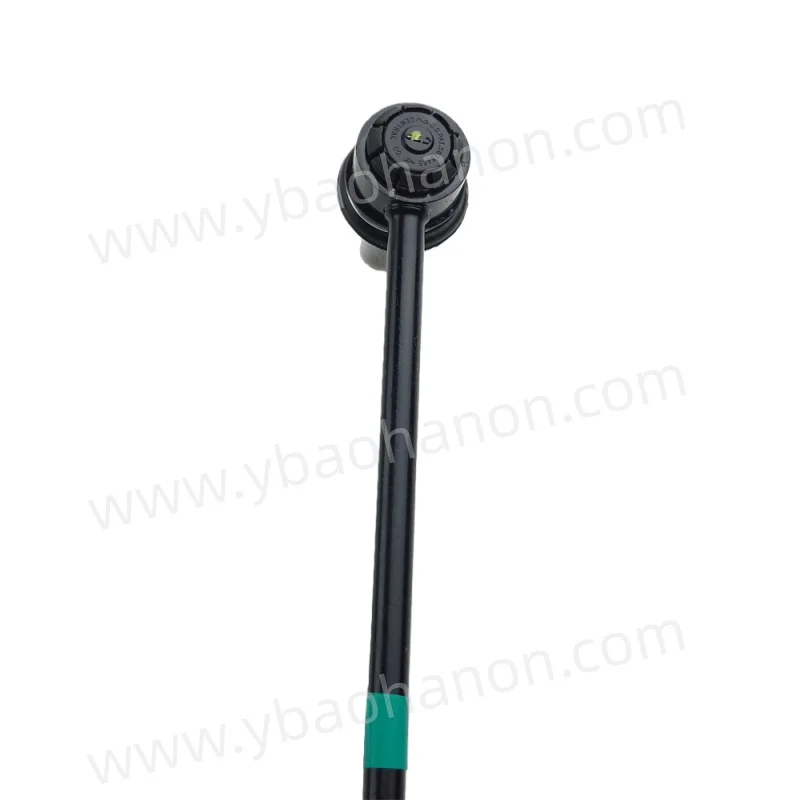
The 54830-3Q000 LINK-STABILIZER fits Kia Optima from 2011 to 2015. It has a tough steel shaft that handles twisting forces. The rubber bushings match OE quality. They cut down on shakes passing to the frame. The build follows factory plans, so it installs without hassle.
Unlike cheap aftermarket stuff, this one has closer fits at the ball joints. That means less noise while running and sharper steering. The coating fights rust, so it does well even where salt covers the roads.
54830-C1000 LINK-STABILIZER: Product Overview and Fitment
This part covers 2016–2020 Kia Optima, even the hybrid ones. The 54830-C1000 LINK-STABILIZER matches OEM sizes exactly. It keeps handling steady on all kinds of ground.
In everyday drives, it means better evenness when you change direction fast or on twisty paths. In town traffic or up hills in the country, this part keeps the frame balanced. It also holds tires to the road well. Those are key for safe and comfy rides.
Installation Tips and Quick Fixes for Technicians
Best Practices During Replacement Procedures
Swap out sway bar links on both sides at once. This keeps the vehicle even and stops odd suspension actions after the job. If the old bolts and nuts look worn or rusty, grab new ones. That way, everything attaches firmly.
When tightening, stick to the manual’s torque numbers. Don’t go too loose, or noise comes back. Don’t go too tight, or the joints stick and bushings wear fast.
Common Pitfalls to Avoid During DIY Repairs
Watch out for bad setup when putting in new links. Make sure the sway bar isn’t bent as you hook them up. Wrong placement adds strain to nearby parts and leads to quick breakdowns.
People often tighten screws too hard without holding the joint steady. This can bend bushings or ruin threads, so you fix more later.
OE numbers like 54830-2T000 LINK-STABILIZER and 54830-0U000 LINK-STABILIZER get swapped often. This happens from bad installs that shorten how long they last.
Maintenance Advice After Replacement of Stabilizer Links
Post-Replacement Inspection Guidelines
Once you finish the install and take a short drive, check all torque levels again. The suspension needs time to adjust. This makes sure no looseness shows up from bushings settling or heat changes.
Pay attention to sounds or weird steering feels. They might mean the job wasn’t done right or other suspension problems need a look.
Alignment Considerations Following Suspension Work
Changing sway bar links can tweak the suspension setup a little. So, book a wheel alignment soon after. It checks if toe and camber are correct. This helps tires wear evenly and brings back good steering in all situations.
YBAOH Technical Support and Service Commitment
For those seeking OE-level parts that last, YBAOH has a great lineup of stabilizer links for Hyundai and Kia cars. Their range covers items like 54830-C1000 LINK-STABILIZER and 54830-3Q000 LINK-STABILIZER. Each one hits OEM benchmarks but costs less than dealer options.
YBAOH stands out with their help team. Reach them or by phone at +86 13651090708 for fit checks. The team in Beijing handles shipping. They share current catalogs and warranty info on their site at the official website.
FAQ
Q: How often should sway bar links be replaced on a Kia Optima?
A: Usually every 80,000–100,000 km based on how you drive, but swap them sooner if wear shows up.
Q: Can I drive with a worn sway bar link?
A: At slow speeds, it’s not a big danger right away. But bad links hurt control, so fix them quick to stop extra leaning or shaky steering.
Q: Do I need an alignment after replacing sway bar links?
A: Yes, get a wheel alignment after to keep suspension right and avoid uneven tire wear.


