

Why Is Your Car Leaking Oil? Uncovering the Causes and Simple Fixes
I. Introduction
You pull into your driveway after a tough day. Then you see dark puddles under your car. They were not there this morning. Your heart drops. You know it’s oil. These leaks creep up fast. They turn normal trips into big worries. You fear engine harm or sudden stops on the road. But relax. Most oil leaks come from basic problems. You can find and fix them on your own. This saves cash and hours.
Years of work in engine bays have shown the truth. One bad part can lead to huge troubles. That’s why good spots for parts matter so much. Check out YBAOH. It’s a top pick for drivers like you. Folks who started in factory making set it up. They make parts that fit or top factory ones. And they skip the high shop prices. Their rocker cover gaskets use strong silicone mixes. These hold up to wild heat and shakes. They keep a firm seal for many miles. What makes them stand out? Real care shows in every step. Each set gets close checks by hand. Support chats feel like talks with a shop friend. Not some big company runaround. If cheap store stuff breaks quick, try their list at ybaohanon.com. You get factory-level hold at easy costs. Great for home fixes that look pro without the big tab. Next, we dig into leak reasons. We cover hunt tips. And we share easy ways to mend them. Let’s swap that stress for sure steps.
II. Common Causes of Car Oil Leaks
You park your ride and spot those clear marks overnight. What’s the deal? Oil leaks tie to a few main wear spots. These build from miles and time. Catch them soon. Your engine stays steady. No shock trips to the shop.
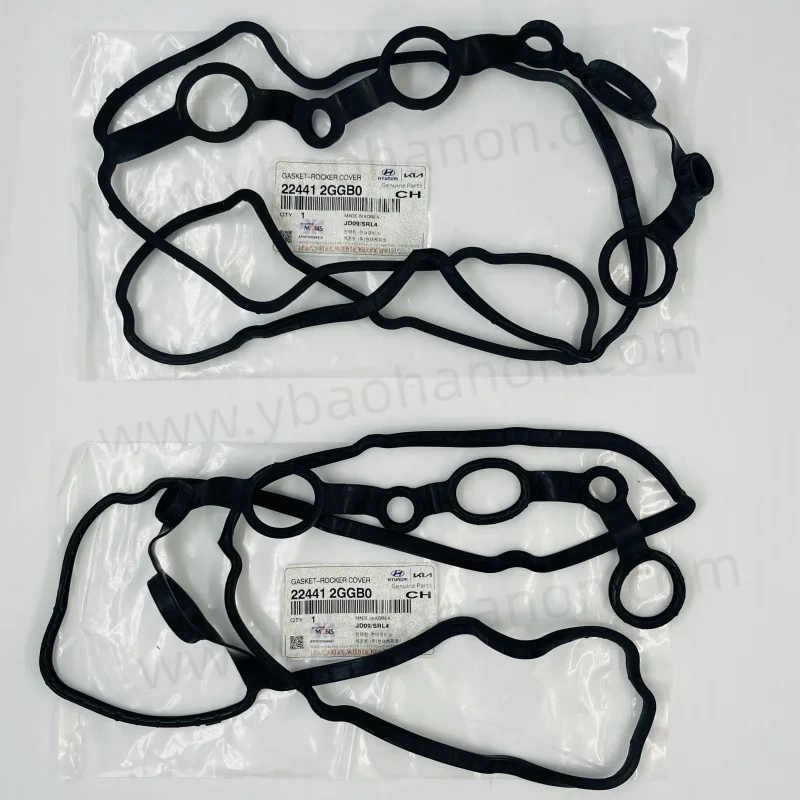
Seals and gaskets hold it all tight first. These rubber or mix guards face steady heat shifts. They deal with push from engine beats too. Soon they stiffen. They split or squash flat. Oil sneaks past then. Rocker cover gaskets lead this pack. They rest on your valve setup. Right in the warmest zones. Rides with lots of miles show this quick. Oil slips to spark plug spots or block sides. Fits for OE numbers 22441-2GGB0 or 22441-2G710 prove it. You see no big pour. Just a steady drop that grows.
Bolts hide tricks too. Road bumps shake them loose. Past jobs with bad twists help that. Oil pan or valve cover holds gap open. Oil flows out easy. Cracks in the pieces count next. Think small splits in the oil pan. They come from hits on road dips. Heat stress makes them worse. And watch for extra loads. Oil filled too full or a blocked PCV valve hikes push inside. It shoves leaks at soft spots.
All this links to road life strains. Heat swells metals. Cold pulls them back. Miles rub edges raw. Spot the signs. A drop up front? Look at your valve cover. Pools from down low? Check the pan. Fix the base now. It stops tiny issues from cutting oil flow to your engine.
III. How to Diagnose an Oil Leak
You note the hints. Low stick marks or that sharp burn whiff at start. Now grab your tools. Play the sleuth. Hunt needs no high gear. A sharp look and quick check find most in less than an hour.
Kick off with a sight scan. Park on a fresh drive all night. Slide under at first light with a light. New oil gleams wet and bright. Old ones dry dark and rough. Follow the path up. Light the block for shiny lines. Hit key areas like rocker cover rims or pan joins. Lift the hood as well. Wipe spots dry. Run the motor short. Watch for new runs. Card under the car overnight traps shapes. It shows if front or back seal work.
For sharp aim, try dye. Drop glow mix in your oil. Drive as usual. Then sweep with dark light. Bright lines nail the spot. Even in snug cracks. Or use smoke gear for push tests. It copies engine pull to show hid holes. Hear for tips too. Hiss from PCV or blue tail puff means push woes inside.
Link this to roots. If damp clings the rocker cover, bet on gasket break. From OE like 22441-2G670 or 22441-2G600. Signs bunch up. Burn whiff says outer drop on warm bits. Low reads with no sight spots mean inner paths. This builds your mend map. No wild shots. Just real leads for your tools.
IV. Simple Fixes: Step-by-Step Solutions with Quality Parts
Hunt wrapped? Move to mend. Lots of leaks bow to home hand work. Gasket trades fix seals fast. No full rip-outs. Snag basic gear. Socket kit, twist tool, and scrape blade. You stand ready.
Aim at rocker cover drips first. They spark half your pains. Cut power. Let it chill. Pull coils or lines for room. Ease bolts cross-way. Skip bend on the lid. Raise it soft. Scrape old seal bits with soft edge. No marks on faces. Check for splits. Swap the lid if beat.
Drop in new seal now. Pick one for your rig. Like the 22441-2GGB0 Gasket-Rocker Cover. Built for smooth match in wide motor lines. These pack steel hearts with bend rims. They give under twist. Seal firm on rough spots. Dab thin glue at ends if notes say. Lower the lid. Twist bolts by hand first. Then set to mark. Often 8-10 foot-pounds. In order. Put back parts. Fill oil. Idle to eye for runs. Time clock? Less than 45 minutes. It cuts comebacks sharp.
For pan pains, spill juice first. Then unbolt and re-glue. Seals here, like for OE 22441-2G100 or 22441-2E210, stress smash hold. To take bump hits. Scrub join faces close. Junk sparks 80% of fresh leaks. Set twist even to mark. Skip hard pulls that rip holds.
Loose holds? Twist them back dry or with lock mix. Split pieces need trades. Grab tough ones to pair. These point fixes slash shop tabs. Often by half. They fix push even. Oil stays in. Your engine pulls free. If deep bits look worn, pass to shop hand. But most yard tasks glow with good bits.
V. Preventing Future Oil Leaks
Mend set, you seek long runs. No repeat next round. Block boils to ways that fit engine pulls. Keeps seals soft. Push stays flat.
Plan oil swaps every 5,000 miles. Use full fake mixes. They slick best. Fight break down. Eye levels each week. Add light to skip full push. Check under parts four times a year. Wash road dirt that speeds rust on pans and lids.
Boost ahead of time. Trade seals pre-fail. Key in warm spots. For valve lines that drip easy, like OE 22441-2E700 or 22441-37104, hold extras close. These bits boast long bend days. They shrug heat jumps that snap weak ones.
Watch PCV pull. Clean or swap valves each year. Vent steam sans pile. Steer soft over lumps. Frame tweaks cut shake on bases. Log miles for shapes. Quick jumps on wear save stacks.
These moves build a wall. Your engine hums cool. Clean and low noise. It skips goo that chokes seals. Put cash here. Leaks drop to odd hits.
VI. Conclusion: Take Control of Your Car’s Health Today
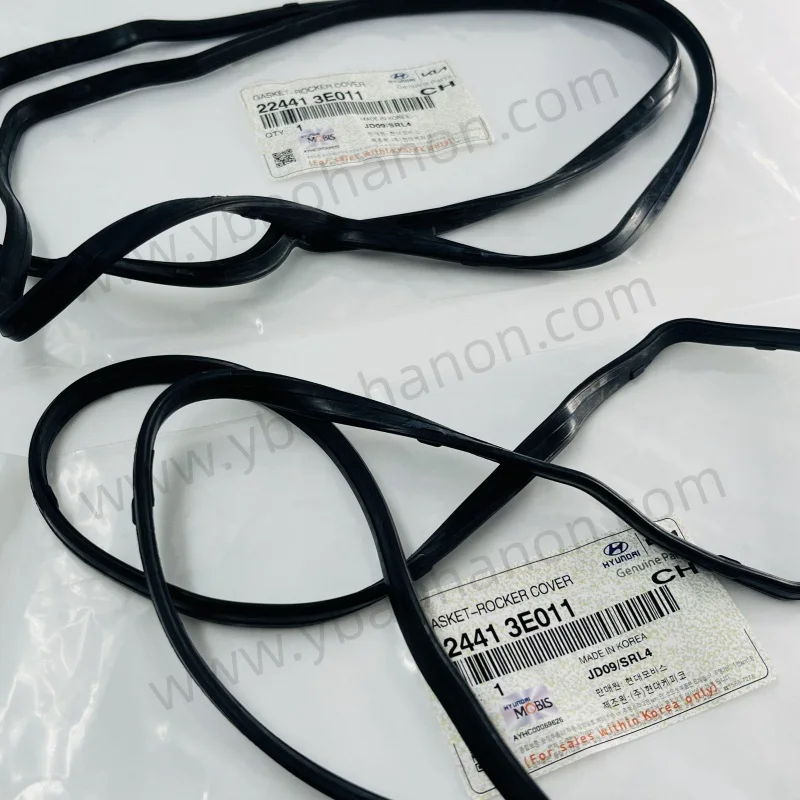
Oil leaks push your calm. But they show ride needs clear. From seal fade to hold slips, you hold the chart. Hunt keen. Mend wise. Block front. Gear up with strong like the 22441-3E011 Gasket-Rocker Cover for trades in fits like OE 22441-37101 or 22441-2B610. These bring shake-proof seals that beat plain ones.
Set to lock it? Grab must-haves for next check. Your trips earn trust you bank on.
For fit tips, hit our service spot at ybaohanon.com/services. Full of put-in guides and hold backs. Queries up? Send note to support@ybaohanon.com. Or buzz 1-800-YBAOH-HELP. We stand set to keep your rolls smooth.
FAQs
Q: How often should I check for oil leaks?
A: Make it a habit to glance under your car weekly, especially after parking overnight. Pair this with monthly dipstick reads to catch drops early.
Q: Can I drive with a small oil leak?
A: Short distances might work, but top off oil frequently and monitor levels. Ignore it long-term, and you risk engine scoring—fix soon to avoid escalation.
Q: What’s the average cost to replace a rocker cover gasket?
A: DIY runs $20-50 for the part, plus tools if needed. Shop labor adds $150-300, but quality picks like OE-matched ones pay off in durability.


