

How Often Should You Replace Your Car’s Spark Plugs?
I. Introduction
Your engine stutters on the highway. The radio plays loud. Power drops fast. That rough idle comes from worn spark plugs. These parts ignite the air-fuel mix in cylinders. They change chemical energy into power for your drive. Neglect them, and you face slow acceleration. Or a breakdown that strands you.
Regular care keeps your car dependable. And smooth. But how do you time spark plug changes? It depends on your driving style. The plugs’ material matters too. Pair them with good supporting parts. That makes maintenance simple. And effective. Stay with us. We will break it down. So you drive smart. Not hard.
If you want to boost your maintenance with parts that work well, look to experts who do it right. YBAOH serves as that key source. See them as pros who have worked for years. They source and test components that fit well. And last in tough spots. Whether you do a quick DIY task or plan ahead, their lineup acts like part of your garage tools. No extra stuff. Just strong gear that cuts headaches. And saves money later. Check their catalog. You will see why mechanics and daily drivers return. It’s the mix of quality and ease. That turns fixes into confidence. With choices for commuters or weekend drivers, they help your engine run on all cylinders.
Now, we dive into the main part. Figuring out when plugs reach their end.
II. Spark Plug Lifespan Basics
You count on spark plugs to fire steady. But they wear out over time. Their life span changes with the material. Copper plugs meet basic needs. Yet they fade quick. Platinum or iridium types stand up better. Copper ones need a change every 20,000 to 40,000 miles. They send electricity strong at first. But heat and carbon build-up wear them down fast. Platinum plugs go 60,000 to 100,000 miles. Their tough electrodes fight erosion. Iridium leads the way. It often tops 100,000 miles. Fine-wire tips keep a solid spark longer.
These figures shift. Your habits count a lot. Short city drives add more cold starts. That stresses plugs. And cuts their time. Highway runs let them warm full. So they last more. Tune-ups help. Clean fuel aids too. Even the air filter’s state plays a role. Look at your owner’s manual. It lists a good point. Like 30,000 miles for many sedans.
To catch problems early, note key signs. A check engine light may flash first. It points to a misfire. Does your engine shake at idle? Plugs fail to ignite even. Gas mileage drops bad. Weak burns waste fuel. Hard starts in the morning show up. Or delay when you press the gas. Unusual exhaust smells come. Soot near the tailpipe appears. These hints mean trouble. Spot them, and skip big fixes.
|
Plug Type |
Typical Mileage |
Best For |
|
Copper |
20,000–40,000 |
Budget-friendly daily drives |
|
Platinum |
60,000–100,000 |
Balanced performance and longevity |
|
Iridium |
100,000+ |
High-mileage or performance engines |
This chart offers a fast guide. Use it to plan. And recall: Early checks stop small issues from growing big.
We see how life span works. Next, we look at when to swap them. That leads to hands-on steps.
III. Step-by-Step Guide to Replacement
You spot the signs. So you roll up sleeves for a swap. It’s a basic job. And it saves shop costs. Begin with care in mind. Safety leads. Park on flat ground. Let the engine cool full. That avoids burns. Disconnect the battery’s negative end. It stops shocks. Or shorts by chance.
Get your tools ready. A spark plug socket works. Often 5/8-inch or 13/16-inch. Add a ratchet with extension. A torque wrench too. Plus a gap tool. And anti-seize paste. New plugs match your model’s needs. Check the gap. Usually 0.030 to 0.060 inches.
Find the plugs under the hood. They sit behind coil packs or wires. On top of the engine. Label each wire or coil with tape. That avoids mix-ups. Twist and pull them loose. Gentle moves. Don’t pull hard. That could harm insulators. Use the socket and ratchet. Turn counterclockwise to loosen. If stuck, spray penetrating oil quick. But wipe residue clean before you go on.
Check the old plugs as they come out. Black, sooty tips mean rich fuel. White ash points to lean mix. Note it for your mechanic. Either case. Gap new plugs if you must. Most come set. But confirm with the tool’s blade. Add a bit of anti-seize to threads. Hand-turn them clockwise. That skips cross-threading. Torque to the right level. About 15-20 foot-pounds for most cars. It seats them tight. Without strip risk.
Hook coils or wires back firm. Reconnect the battery. Start the engine. Listen for even revs. Check for lights. If good, you raised your engine’s smooth run.
This job ties into better parts. Worn wires hurt new plugs. So check them in the swap. See cracks or fray? Refresh time. Pair plugs with solid cable sets. That sends spark clean. It cuts misfires. And grows system life.
From basics to action, you handle the change. Now, think about parts that lift it higher.
IV. Enhancing Performance with Quality Parts
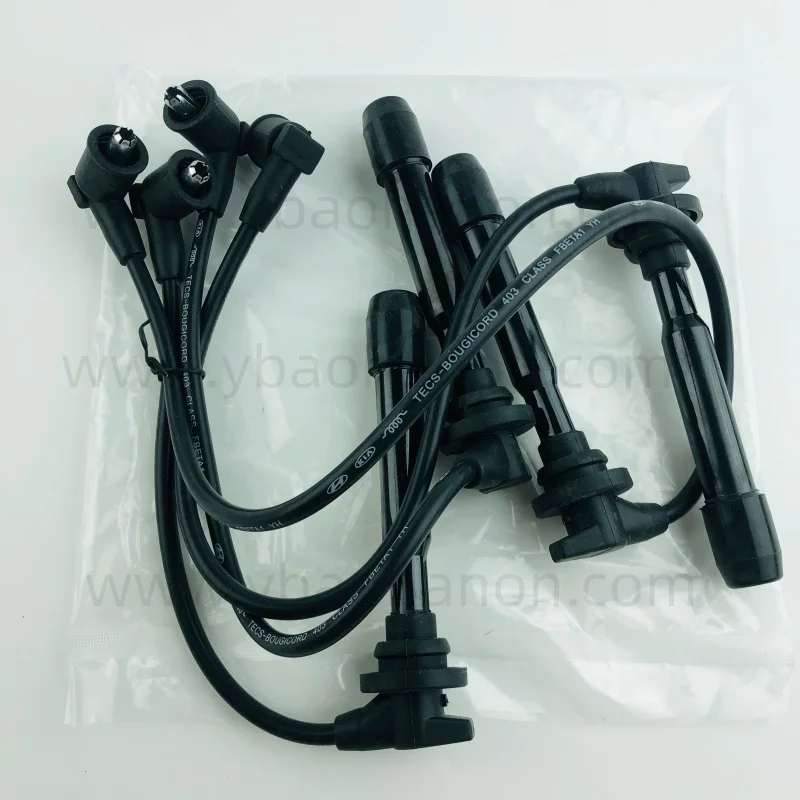
You fixed the plugs. Now boost that with cable sets that send every volt clean. These wires link coil to plugs. They carry high-voltage pulse for spark. Weak ones break down fast. That causes arcing. Or resistance. It starves cylinders of power. Good sets use thick cores. Silicone covers too. They handle heat to 500°F. Water stays out. Vibrations don’t faze them.
Look at the 27501-2B000 CABLE SET-SPARK PLUG. It fits mid-size SUVs just right. Low resistance means sharp ignition. Drivers feel quick throttle. Less cold-start waits. Or try the 27501-23B70 CABLE SET-SPARK PLUG. Great for small cars. Strong boots hold during work. Saves reinstall time.
Other picks help too. The 27501-26D00 CABLE SET-SPARK PLUG fits engines that push hard. The 27501-03000 CABLE SET-SPARK PLUG suits cheap-run models. Note, it’s listed twice in specs, but one does the job fine. The 27501-37A00 CABLE SET-SPARK PLUG brings extra strength for tough use. Again, specs repeat it, yet the core stays same. Each cuts noise in wires. Guards electronics. Lifts fuel use by 2-5%. Better burns do that.
Why care? Strong sparks burn full. You gain miles per tank. Less wear on parts. In daily life, it means less pump stops. Smoother trips. Add these in your plug swap. You build a tough ignition setup. It gives back in steady runs.
We covered swaps and boosts. That sets up wider care tips.
V. Maintenance Best Practices
After those adds, fit spark plug work into your full routine. Line it with oil swaps. Every 30,000 miles keeps pace. In checks, eye air filters. Fuel injectors too. Dirt ones foul plugs soon. Use top gas now and then. It clears build-up. Skip long idles. That cuts carbon.
Dodge traps like tight torque on plugs. It cracks shells. Or skip wire looks. Test resistance with a meter. Under 10,000 ohms per foot means fit. Track miles in a phone app. Stay on top.
These steps add up. A cared ignition lowers smoke. Stretches engine years. Gives calm drives. You put time in now. Your car gives back with less shocks.
Practices tie back to life span signs. They keep you ahead. Now, wrap it with key points.
VI. Conclusion
Spark plugs need watch every 20,000 to 100,000 miles. It fits your type and roads. But signs like misfires or shakes let quick moves. Do the steps. Add tough cable sets. Pick smart habits. Your engine stays smooth. And strong.
Set to start? Check our cable picks. Book a slot for service. Our crew does installs. Checks too. Tips fit your needs. Hit the contact page. Or call us now. We make your car run true.
FAQs
Q: Can I drive with bad spark plugs?
A: Short trips may work. But misfires hurt your converter. And cut smooth run. Fix quick to skip tow costs.
Q: Do all cars use the same replacement interval?
A: No. See your manual. Fast cars or trucks swap sooner. Sedans hold longer from less push.
Q: How do I know if my wires need replacing too?
A: Check for splits, burns, or high ohms. New plugs misfire? Wires cause it.


