

What Are the Signs Your Spark Plug Is Failing?
Introduction
Your engine stutters on the highway. The radio plays on. That jerking motion hints at trouble in the ignition system. Spark plugs create the spark. They ignite the air-fuel mix in the cylinders. This powers each mile you drive. When they weaken, you notice right away. Ignore it, and bigger problems follow.
Spot these issues early. This saves time, cash, and hassle. A solid supplier helps here. Check out YBAOH. They focus on top-notch OEM-style ignition parts. These fit right into your upkeep routine. Think of coils and plugs built to last. They pass tough tests for heat and daily stress. You might tinker in the garage on weekends. Or you commute each day and want steady runs. Their stock has direct answers. No extra hype. Swap in their pieces, and a bumpy ride turns smooth. The engine purrs once more. It’s like a new beginning for your car. Easy online shopping means you get what you need. Shipping comes quick. You’re driving again soon. If guesswork tires you, their choices clear the clutter. They target what suits your ride.
This post covers the clear signs your spark plugs need a look. It shows how to find the trouble. And it shares smart fixes. By the end, you know what to spot. You keep your engine firing strong. Let’s jump in. Get your drive back to normal.
Why Spark Plugs Fail
You count on spark plugs for that exact spark each time you start up. But they wear out over time. The constant heat, pressure, and burns inside the engine take a toll. Heat from countless ignitions eats at the electrode ends. Carbon from bad burns covers the insulators. Wire faults or bad coils nearby add more load. This quickens the wear.
These issues build slowly. They show up after 30,000 to 100,000 miles. It depends on how you drive. City stops and starts speed it up. Highway trips ease it a bit. When plugs gap too much or get dirty, the spark drops. This leads to spotty burns. You may feel a small pause at first. But if you skip checks, it grows. Your engine burns more gas. Smoke rises higher. And the exhaust system suffers.
See it like this. Spark plugs beat like the engine’s heart. Skip a few, and the pace falters. Catch the causes soon. Then you stop the mess before it spreads.
Key Signs Your Spark Plug Is Failing
You know the wear factors now. So let’s catch the warning flags as they happen. These clues link up. They start small and turn bold. Watch close on your next trip. You’ll grab them before they mess your day.
Engine Misfires or Rough Idling
You stop at a light. The engine hums steady no more. It shakes like it’s cold. That’s a misfire. The plug skips the ignite in one or more spots. It coughs under the hood. Idle feels it most. Speed up, and it jolts more. Smooth turns into bumps. This comes from a soft spark. Fuel stays unburnt. It causes those odd pops.
Difficulty Starting the Engine
You twist the key on a chill morning. Nothing fires. Or it turns over long before it grabs. A weak plug fights the gap. The engine cools, so parts shrink. You press the pedal to wake it. This floods things and burns extra gas. Soon, it wears your battery and starter.
Poor Acceleration and Reduced Power
You hit the gas. The car hangs back like it’s stuck. That slow kick ties to half burns. Less boom per turn means less push to the tires. Hills drag on. Passing needs more thought. You miss the quick zip you like. Drives turn dull.
Increased Fuel Consumption
You eye the dash gauge often? Point to the plugs. Spotty burns make the engine add fuel. Your miles drop per tank. A run that cost $20 now takes $25. In a month, it stacks to real money. It’s not just cash. More smoke means more harm to the air.
Unusual Exhaust Smells or Smoke
You catch a whiff that’s wrong? Like bad eggs or fresh gas? Fuel that skips the burn slips out the back. You may spot black puffs from the pipe on quick pushes. These hints lead right to spark woes. The engine chokes on its own waste.
|
Sign |
What It Feels Like |
Quick Check Tip |
|
Misfires/Rough Idle |
Shaking at stops |
Listen for pops during idle |
|
Hard Starts |
Cranks but won’t catch |
Note morning routines |
|
Sluggish Acceleration |
Delayed response to pedal |
Test on open road |
|
Fuel Waste |
Gauge drops faster |
Track fill-ups weekly |
|
Odd Exhaust |
Smells or visible smoke |
Park and inspect tailpipe |
Here’s a fast list for checks:
These flags tie tight. One bad plug can spark a few. It throws the setup off kilter. See one, and scan the others to lock it down.
Diagnosing the Issue
You sense the clues. Now prove it’s the plugs. Do it without a full tear-down. Keep it basic first. Then step up if it fits. This way stays simple. It skips the tow bill.
Park safe and lift the hood. Let the engine cool down. Unhook the coil from one plug at a go. Twist and pull soft. Grab a plug socket tool to pull it out. Look at the end. Black gunk means too much fuel. White dust says too little. Oil spots hint at ring or seal leaks. Use a gap tool to check. Most run 0.028 to 0.044 inches. Off marks mean tweak or swap.
Clues like these mix with coil faults often. Plugs seem okay, but skips go on? The coil may skip the juice. Swap coils across spots. If the snag shifts, you found it. A dash scanner grabs codes like P0301 for spot one skip. It gives spot-on facts fast. Hook it below the dash. Phone apps break it down.
Skip the wild guesses. A shop pro’s air check clears valves or rings. But looks and codes work most times. Link it to the flags. Rough hum plus dirty plug? Act now. This check path fixes the core. It skips band-aids.
Effective Solutions with Reliable Parts
You nailed the check. Now mend it solid. Skip quick patches that flop soon. Pick strong swaps that meet your engine’s pull. Match them with coils for a full reset.
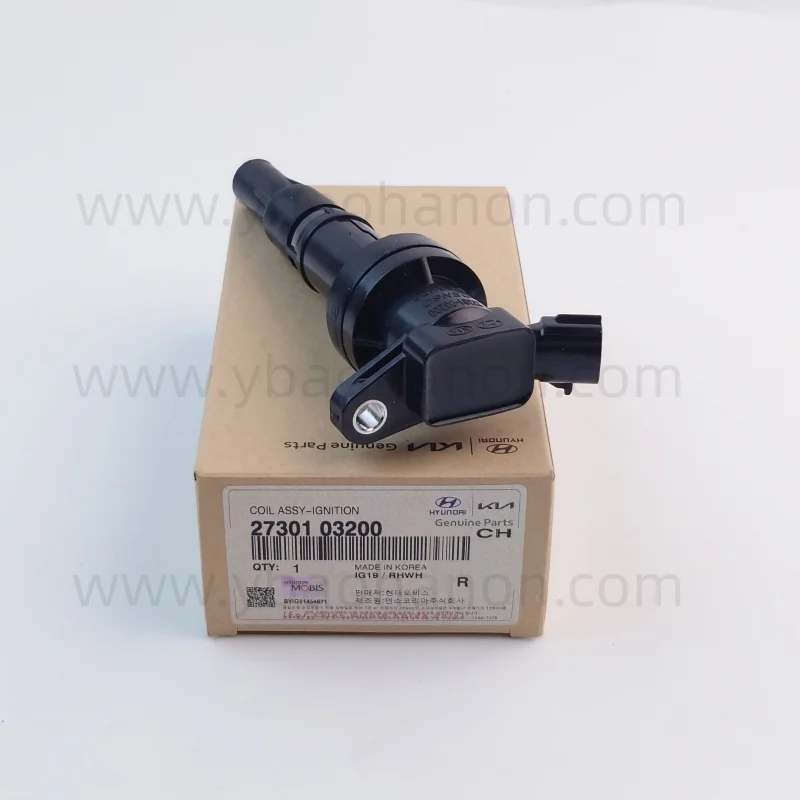
Pull the old plugs first. Tighten new ones to the right pound—often 15-20 ft-lbs. This stops cracks. For real staying power, refresh the coils too. They boost battery zap to thousands for a firm spark. Try the 27301-03200 COIL ASSY-IGNITION. It slots right into many small cars and boxes with 1.4L setups. It takes heat steady. No flinch. It cuts skips with even flow.
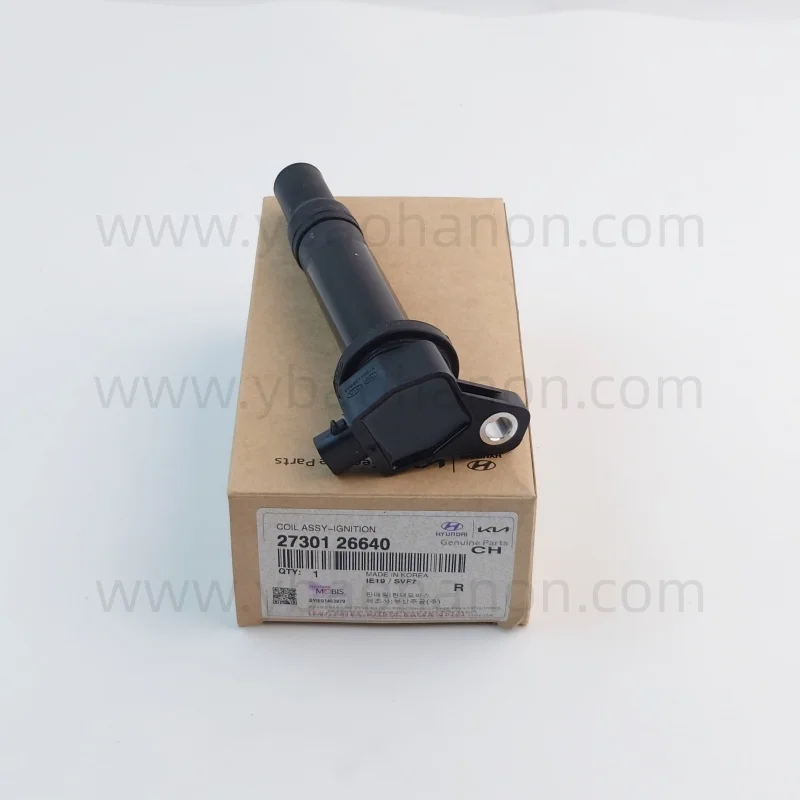
For wider fits, the 27301-26640 COIL ASSY-IGNITION works in like crossovers. Both pack good seal and wire wraps for long hauls. They beat basic swaps by twice the miles.
These span more. Grab 27301-3E100 COIL ASSY-IGNITION for smooth juice in everyday wheels. Or 27301-3E400 COIL ASSY-IGNITION for strong runs under push. The 27301-04000 COIL ASSY-IGNITION blends into older rides easy. While 27301-3CEA0 COIL ASSY-IGNITION fights wet air sans rust. For sharp aim, take 27301-3C000 COIL ASSY-IGNITION. Add 27301-2B010 COIL ASSY-IGNITION or 27301-2B100 COIL ASSY-IGNITION for tune shifts. Note 27301-3E400 COIL ASSY-IGNITION again for load tasks. Then 27301-2M417 COIL ASSY-IGNITION for fine tweaks. The 27301-04000 COIL ASSY-IGNITION repeats for steady needs. Follow with 27301-04110 COIL ASSY-IGNITION for quick fits. And 27301-3C000 COIL ASSY-IGNITION for core power. Wrap in 27301-03200 COIL ASSY-IGNITION for basics. Plus 27301-04000 COIL ASSY-IGNITION once more. End with 27301-04110 COIL ASSY-IGNITION and 27301-3CEA0 COIL ASSY-IGNITION to round out.
What makes them stand out? Close specs for easy snaps—no extras. Strong wrap stops shorts. It lifts gas savings up to 5%. And at shop-level costs, you keep cash in pocket. Setup? Four easy steps. Cut power source. Yank old unit. Set new one firm. Hook back up. Under an hour with hand tools.
After the change, take a spin. Idle evens out? Kick surges back? You fixed the flow. Check plugs at each oil swap. This links your mend to steady upkeep.
Conclusion
You got the whole view now. Failing plugs, from those pesky flags to keen checks and firm mends. You spot the shakes, kicks, and whiffs to eye. Plus strong coils like these shift woes to wards. Hit them straight. Your engine gives back with less shop stops. And more miles of clean fun.
Set to stock up? Scan our ignition packs. Grab your set today. For custom tips or big buys, ping our help crew at our website. We stand ready to roll you smooth and swift.
FAQs
Q: How often should I replace my spark plugs?
A: Aim for every 30,000 to 100,000 miles, based on your manual. Iridium types last longer, but check for signs like misfires to stay ahead.
Q: Can a bad coil mimic spark plug issues?
A: Yes—both cause weak sparks. Inspect plugs first; if clean, swap coils to isolate the fault.
Q: Will new plugs improve my gas mileage right away?
A: Often, yes—efficient combustion cuts waste, potentially adding 1-3 MPG. Pair with fresh coils for best results.


