

Cómo prolongar la vida útil de sus discos de freno delantero 51712-3K100: la guía de mantenimiento definitiva

La base de la longevidad: por qué importa la calidad
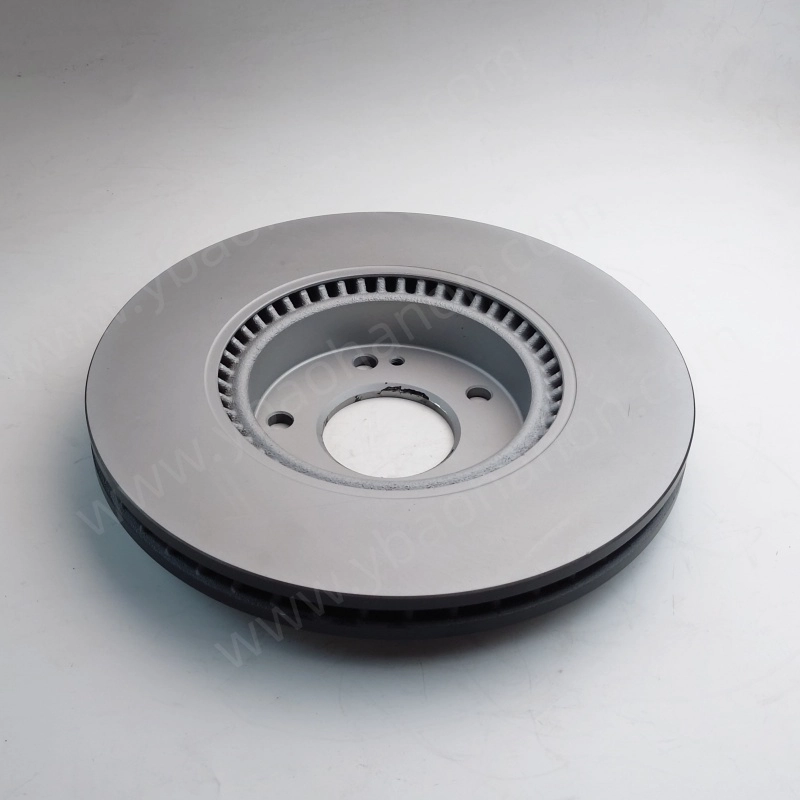
Cuánto tiempo funcionará un rotor de freno se establece bien antes de que se ponga en su coche. Comienza en la fábrica donde el metal se forma. El 51712-3K100 de YBAOH utiliza un tipo de hierro llamado hierro fundido gris de alto carbono, recogido a propósito porque mueve el calor bien y suaviza las vibraciones. Esta opción ayuda a la pieza a hacer frente a la molienda diaria de detenerse sin romperse demasiado pronto, y apoya el coche’ carga durante el uso normal.
La diferencia YBAOH
Las opciones baratas a menudo enfrentan problemas como profundidad desigual o malos diseños para el flujo de aire en las partes de enfriamiento, pero nuestros artículos pasan por pruebas difíciles para comprobar cómo se resisten bajo presión. El trabajo hábil se asegura de que el tamaño de 300 mm y el grosor que coincide con las especificaciones de fábrica crean una buena coincidencia entre lo ligero que es y cómo deja ir el calor acumulado. Cuando eliges una empresa conocida como YBAOH, obtienes una pieza hecha para empujar hacia atrás contra el torsión fuera de forma (llamado agotamiento lateral) y esas áreas cálidas desiguales que hacen que el pedal del freno se agite. Más allá de eso, este enfoque conduce a menos dolores de cabeza con reparaciones y le da resultados constantes si ’ En la ciudad o en las autopistas.
La crítica “ Ropa de cama en” Proceso (nueva instalación)
Una causa frecuente de falla temprana de los frenos se deriva de configurarlos mal, en particular no hacer el “ cama en” paso para nuevos rotores. La ropa de cama, a veces conocida como pulido, implica la colocación de una cubierta lisa de material de las almohadillas de freno directamente sobre el disco. La cara.
Por qué la ropa de cama es esencial
Sin adherirse a la forma correcta de dormir, las almohadillas pueden dejar su material en puntos que no son iguales, lo que provoca “ DTV” o Variación del espesor del disco. Eso conduce a la molesta “ judder del freno” o temblores que ocurren cuando se ralentiza a velocidades rápidas.
La guía paso a paso recomendada por YBAOH
Para obtener el uso más largo de sus rotores 51712-3K100, siga este plan en un área que sea segura y tenga pocos otros coches alrededor:
El calentamiento: Sube a 60 km/h y luego haga de tres a cinco ralentizaciones suaves hasta 10 km/h. Esto lleva a los frenos al calor de trabajo correcto. Al hacer esto, prepara las piezas para un mejor contacto sin ninguna sacudida repentina que pueda dañarlas temprano.
La secuencia de ropa de camaVelocidad: Hasta 80 km/h y luego detenerse con presión firme (pero mantener el ABS apagado) hasta que llegue a 15 km/h. Usted podría coger un suspiro de los materiales de la almohadilla de calentamiento como ellos’ volver a cocinar; Eso’ S esperado. Este proceso establece la capa uniforme que hace que las paradas sean silenciosas y suaves desde el principio, ayudando a todo el sistema a trabajar juntos sin problemas.
El Cool-DownEsto cuenta como la parte clave de todo. Conducir alrededor durante cinco a diez minutos a velocidades como en una carretera principal, pero no’ t tocar los frenos en absoluto. De esta manera, el calor se difunde de manera equilibrada. Nunca haga que el coche se detenga completamente mientras presiona el pedal del freno si los discos todavía están muy calientes al tacto, porque hacerlo podría crear una marca de la almohadilla que arruine el disco’ S superficie. Ignorar esto podría cortar el rotor’ tiempo útil, así que siempre le dé espacio para enfriarse por sí mismo y evitar cualquier acumulación de calor adicional inmediatamente después.
Consejos de mantenimiento proactivo para la longevidad del rotor de freno
Después de haber colocado los frenos de la manera correcta, las cosas que hace todos los días junto con los controles básicos decidirán si llegan a 30.000 millas o incluso alcanzan 70.000 millas. Pequeños cambios en la rutina pueden sumarse a grandes ganancias en cuanto tiempo dura todo.
Optimice sus hábitos de conducción
La mayor amenaza para la duración de los frenos proviene de la acumulación de demasiado calor. Muchas paradas repentinas a altas velocidades crean choques por el calor. Esto es lo que sugerimos para ayudar:
- Freno del motorAl bajar colinas largas, cambie a una marcha más baja para que el motor ayude a reducir la velocidad. Este truco disminuye la carga en los frenos y los ahorra para los momentos en que necesita toda la potencia.
- Conducción anticipativaMantenga un ojo en lo que’ S llegando en el tráfico. Dejar ir el pedal de gas antes funciona mucho mejor para tus rotores que mantenerlo hasta que tengas que golpear los frenos. Este estilo de conducción no solo protege las piezas, sino que también hace que sus viajes sean menos estresantes y más agradables.
Seleccionar las almohadillas de freno adecuadas
Su 51712-3K100 hace su mejor trabajo cuando lo emparejas con almohadillas que están bien hechas.
- almohadillas cerámicasEstos se ajustan bien para la mayoría de los coches de gama alta y uso diario. Dejan menos suciedad y tratan la cara del rotor con más cuidado. Recogerlas significa ruedas más limpias y estiramientos más largos sin necesidad de lavarse con tanta frecuencia, lo que ahorra tiempo en su ajetreado horario.
- Almohadillas semimetálicasSe adaptan mejor para llevar cosas pesadas o cuando conduces de manera audaz, gracias a su buen control sobre el calor, a pesar de que podrían desgastar el rotor un toque más rápido. Manténgase alejado de almohadillas sin marca o de precio muy bajo, ya que tienden a tener piezas de metal que no’ t coinciden y pueden rascarse o dañar la cara del disco. Optar por unos fiables garantiza un desgaste uniforme y un rendimiento constante con el tiempo.
Limpieza Ambiental
Cosas como la sal en las carreteras, el polvo de los frenos y la suciedad general pueden llenar las vías internas para el aire en un disco que tiene aberturas de ventilación. Cada vez que se lave el coche, tenga cuidado de limpiar las áreas alrededor de las ruedas por completo para detener cualquier acumulación de comida. Hacer esto regularmente mantiene a los frenos libres de oxidación y los ayuda a funcionar correctamente sin daños ocultos que se acumulan a lo largo de las estaciones.
Cómo identificar el desgaste: ¿Cuándo es hora de reemplazarlo?
No importa cuán bien los cuides, los discos de freno se desgastarán como parte del uso normal. Descubrir el momento adecuado para intercambiarlos juega un papel importante para evitar que el daño llegue a otras partes en la configuración de la rueda. La captura temprana de señales le permite actuar antes de que los costos suban o la seguridad caiga.
- The “ Lip” PruebaDesliza el dedo a lo largo del disco (asegúrate de que primero esté fresco) desde la parte interna hasta el borde. Si notas una línea elevada clara o “ lip,” que muestra que el disco se ha desgastado bastante. Esta prueba rápida durante sus comprobaciones habituales puede advertirle de problemas por adelantado y guiarle cuándo planificar una reparación.
- Descoloración visualCuando su 51712-3K100 muestra marcas azules o moradas profundas, indica que ha pasado por un calor muy alto. Eso cambia la forma en que el metal se monta a un nivel minúsculo y hace que los frenos sean menos eficaces para detenerse. Los lugares como estos a menudo siguen intensos recorridos, así que mira de cerca tales excursiones para mantenerse al tanto de cualquier cambio.
- Espesor mínimo: Todos los rotores vienen con un conjunto “ Desechar el espesor” límite. Para el 51712-3K100, la medida baja segura básica generalmente es de 26,4 mm. Tome un micrómetro y medirlo cada vez que cambie el aceite. Seguirlo lo mantiene seguro y sigue las reglas sin sorpresas.
- Vibración y ruidoLos chillados agudos suelen vincularse a las almohadillas, pero un sonido de molienda duro o el volante que se agita mientras frena a menudo significa que el rotor se dobla o se desgasta delgado. Estas señales requieren pasos rápidos para recuperar el control uniforme y evitar peores resultados en la carretera.
¿Por qué elegir la marca YBAOH?
Más en YBAOH, nos sentimos bien al ofrecer más que piezas simples; Servimos como su compañero de equipo en hacer que los coches funcionen bien. Nuestros artículos 51712-3K100 se fabrican para coincidir o ir más allá de lo que las fábricas establecen como estándares, lo que significa que su coche mantiene esa nueva respuesta de frenos directamente desde el showroom. Este enfoque en la calidad se muestra en cómo manejamos cada etapa, dándole piezas que ofrecen un valor real milla tras milla.
Nuestras ventajas del producto incluyen
- Metalurgía AvanzadaFuerte defensa contra grietas del calor. Este método permite que el disco afronte condiciones difíciles sin separarse durante el uso duro.
- equilibrio dinámicoEquilibramos cada pieza exactamente para deshacernos de cualquier agitación. Los rotores bien equilibrados conducen a una conducción más tranquila y ponen menos presión sobre el resto del coche.
- Montaje directo: Prometemos que encaja bien para la configuración sin molestias. Esto ahorra esfuerzo durante la instalación y reduce los problemas que pueden surgir más tarde.
Servicio Profesional y Soporte
Cuidar de tu coche requiere habilidad real. A pesar de que esta guía le da una base sólida para empezar, siempre presionamos por que un experto entrenado verifique sus frenos al menos una vez al año. Si vende piezas, trabaja como reparador o simplemente conduce su propio vehículo y desea buenas opciones de frenos, nuestro grupo está listo para ayudar con detalles sobre especificaciones y pedidos a granel. Nosotros proporcionar herramientas como gráficos para el ajuste y líneas para pedir consejos, haciendo que su trabajo sea más suave y exitoso sin importar la escala.
Para obtener más información sobre nuestro conjunto completo de productos o solicitar una estimación de precios, simplemente vaya a nuestro sitio web. Contacta con nosotros página. Ponerse en contacto te conecta con personas que conocen sus cosas y pueden ajustar los consejos para que se ajusten a lo que necesitas, para que siempre manejes el camino con confianza.
Preguntas frecuentes
P: ¿Puedo reemplazar las pastillas de freno sin cambiar o volver a poner en superficie mis rotores 51712-3K100?
R: Si bien es posible, no se recomienda si los rotores muestran signos de desgaste desigual o puntuación. Instalar nuevas almohadillas en una superficie antigua y desigual del rotor reducirá significativamente el rendimiento de frenado y puede conducir a ruido y desgaste prematuro de la almohadilla. En esas situaciones, los nuevos rotores ofrecen los mejores resultados y mantienen las cosas seguras para todos.
P: ¿Por qué mi volante se agita solo cuando aplico los frenos?
R: Este es un síntoma clásico de “ deformado” Variación del espesor del disco (DTV). Esto significa que la superficie de los discos de freno ya no es perfectamente plana, lo que hace que las almohadillas reboten mientras agarran el disco. En la mayoría de los casos, reemplazar los rotores con componentes YBAOH de alta calidad es la solución más eficaz. Cuidarlo pronto detiene daños adicionales a los neumáticos y la configuración alrededor de las ruedas.
P: ¿Con qué frecuencia debo comprobar el grosor de mis discos de freno?
R: Recomendamos una inspección visual cada 10.000 millas (o durante cada rotación del neumático) y una medición profesional con un micrómetro al menos una vez al año. Si conduce con frecuencia en zonas montañosas o tráfico pesado de parada y salida, se recomiendan controles más frecuentes. Este hábito manchas desgaste antes de dañar la seguridad o trae en grandes facturas de reparación.


